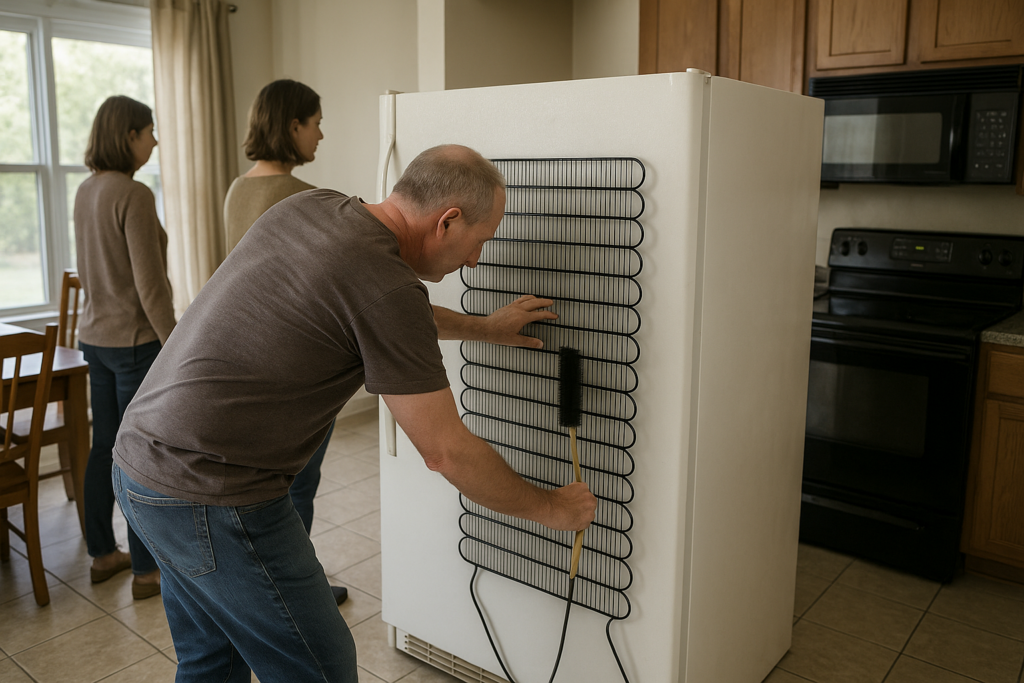
As summer heats up, ensuring that household appliances run efficiently becomes increasingly important. One often-overlooked task is cleaning the coils of your refrigerator. This simple maintenance step can enhance energy efficiency and prolong the life of the appliance.
Why Clean Refrigerator Coils?
Refrigerator coils can accumulate dust and debris over time, which can hinder the appliance’s performance. When coils are dirty, the refrigerator has to work harder to maintain a cool temperature, leading to increased energy consumption. Regular cleaning can help reduce energy bills and prevent potential breakdowns.
Steps for Cleaning Refrigerator Coils:
1. Unplug the Refrigerator: Safety is paramount. Always unplug the appliance before beginning any maintenance work.
2. Locate the Coils: Depending on the model, coils may be located at the back or beneath the refrigerator. Refer to the user manual if necessary.
3. Vacuum the Coils: Use a vacuum cleaner with a brush attachment to gently remove dust and debris from the coils. Be careful not to damage any components.
4. Check Door Seals: While you’re at it, inspect the door seals for any signs of wear or damage. A tight seal is essential for maintaining efficiency.
5. Plug the Refrigerator Back In: Once the coils are clean and the seals checked, plug the refrigerator back in and ensure it’s functioning properly.
Frequency of Cleaning:
It is advisable to clean refrigerator coils at least twice a year, but more frequent cleaning may be necessary in homes with pets or high dust levels.
Local Considerations:
In Greenville, where summer temperatures can lead to increased appliance usage, keeping your refrigerator in optimal condition is particularly important. Additionally, local residents may want to consider consulting with appliance repair professionals for more extensive maintenance or if they encounter issues beyond simple cleaning.
By taking these steps, Greenville residents can ensure their refrigerators operate efficiently throughout the summer months and beyond, ultimately saving on energy costs and enhancing appliance longevity.