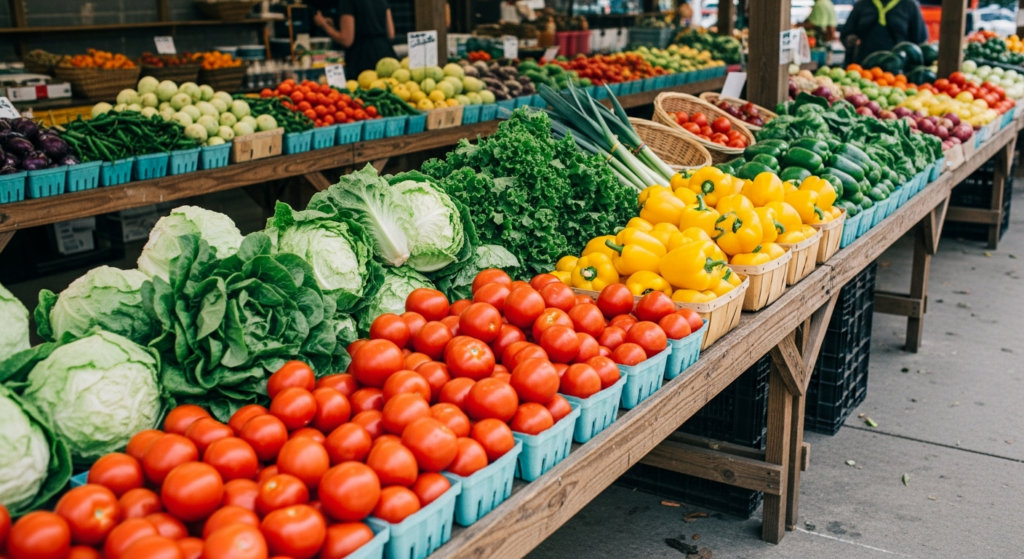
Health officials are reiterating food safety guidelines, particularly concerning raw produce, as reports of Cyclospora, a diarrhea-causing parasite, continue to emerge across multiple states. The guidance serves as a reminder for consumers in Greenville to practice diligent food handling, especially during the summer months when fresh fruits and vegetables are staples in many meals.
Cyclospora cayetanensis is a microscopic parasite that can cause cyclosporiasis, an intestinal infection. Symptoms typically include watery diarrhea, loss of appetite, weight loss, cramping, bloating, nausea, and fatigue. The parasite is spread by people ingesting food or water contaminated with feces containing the parasite. Raw produce, such as various types of berries, leafy greens, and herbs, has frequently been implicated in past outbreaks.
While there are no specific local outbreaks reported in Greenville, the broader multi-state concern prompts a general reinforcement of preventive measures. The parasite is not typically spread directly from person to person, but rather through contaminated food or water. Unlike some other foodborne pathogens, Cyclospora is resistant to common disinfectants like chlorine, making thorough washing crucial.
Public health advisories emphasize several key practices to minimize risk. Consumers should wash all fruits and vegetables thoroughly under running water before eating, cutting, or cooking, even if they plan to peel them. Firm produce, such as melons and cucumbers, should be scrubbed with a clean produce brush. Leafy greens should be rinsed individually. It is also important to wash hands with soap and water before and after handling fresh produce.
Beyond washing, preventing cross-contamination is vital. Separate raw produce from raw meat, poultry, and seafood in shopping carts, grocery bags, and in the refrigerator. Use separate cutting boards and utensils for produce and raw meats. These practices are standard food safety recommendations that become particularly pertinent when a widespread concern like Cyclospora is active.
### Why it matters in Greenville
For residents of Greenville, these food safety reminders are particularly relevant as summer activities often involve outdoor dining, picnics, and increased consumption of fresh, raw produce. Local grocery stores, farmers’ markets, and community gardens are popular sources for fresh ingredients, making awareness of proper handling essential for public health. Institutions like Prisma Health and Bon Securs St. Francis, major healthcare providers in Greenville, would be on the front lines should any local health concerns arise. Adhering to these simple, validated food safety practices helps protect individual health and contributes to the overall well-being of the Greenville community.