The burgeoning artificial intelligence industry is driving an unprecedented surge in demand for electricity, placing new pressures on power grids across the United States. This escalating need for energy, primarily from large-scale AI data centers, is increasingly becoming a central factor in how and where technology companies choose to expand, and how local communities, including Greenville, approach economic development and infrastructure planning.
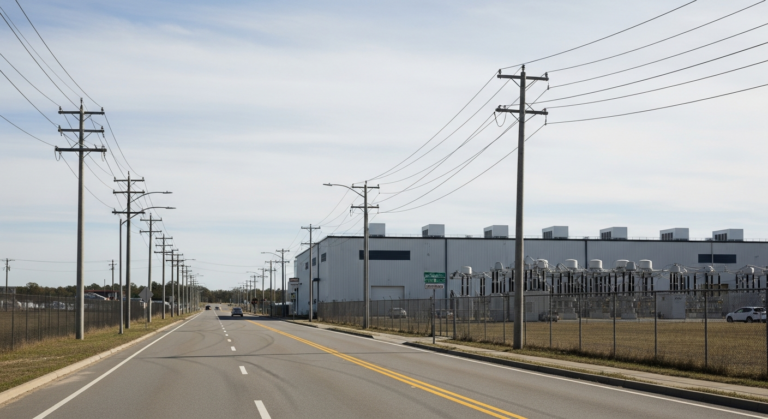
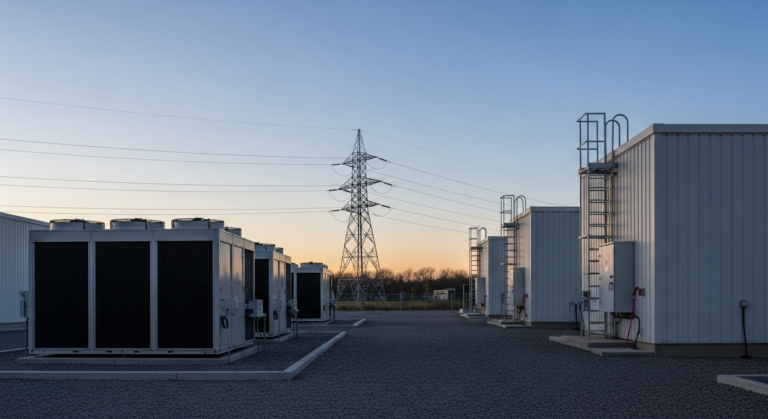
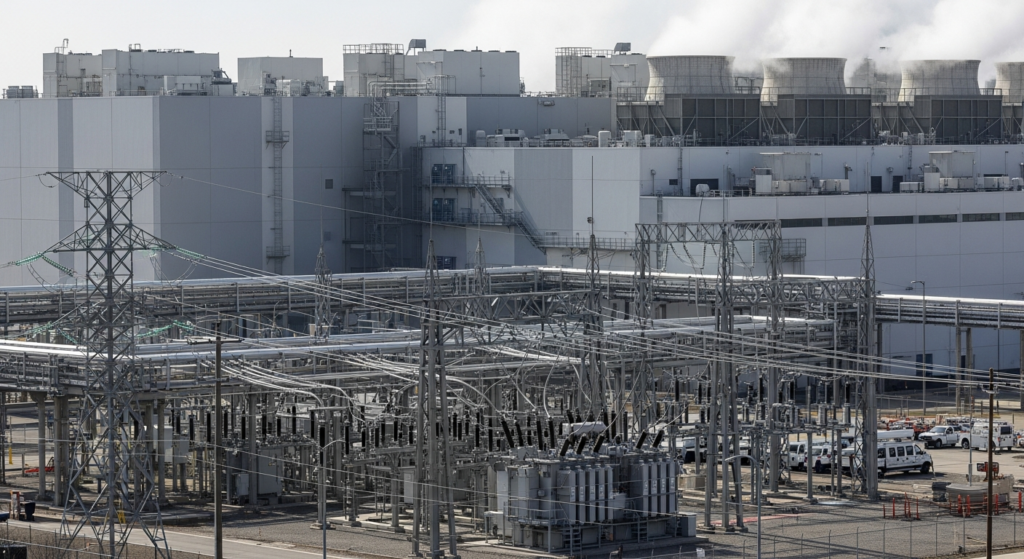
Data centers, the physical infrastructure housing the computing power essential for AI operations, require immense and consistent electricity supplies. Unlike traditional commercial or residential loads, these facilities consume power at a scale that can rival small cities, often demanding hundreds of megawatts. This concentrated energy draw necessitates robust transmission and distribution infrastructure, making grid capacity a primary determinant for site selection. Regions with ample, reliable, and affordable power are becoming highly sought after by developers looking to establish these energy-intensive operations.
The implications extend beyond mere consumption. Utilities face the challenge of rapidly upgrading and expanding their networks to accommodate this new class of industrial consumer. This includes investments in new generation sources, transmission lines, and substations, all while maintaining reliability for existing ratepayers. The pace of AI development often outstrips the typical multi-year planning cycles for utility infrastructure, creating a dynamic environment where long-term energy strategies must adapt quickly.
For communities like Greenville, these national trends translate into a complex calculus for economic development. The prospect of attracting AI data centers brings significant capital investment and, potentially, high-paying technical jobs. However, it also introduces substantial demands on local resources, particularly the power grid and land use. Local governments, such as the Greenville County Government, would be tasked with navigating zoning regulations, environmental considerations, and the broader impact on the existing energy supply and costs for residents and other businesses.
Greenville, a region known for its robust industrial base and continued growth, is no stranger to significant energy demands. Major employers like BMW Manufacturing Co. and GE Vernova Gas Power already contribute substantially to the region’s power consumption profile. The arrival of new, energy-intensive industries would necessitate careful consideration of how the existing grid, managed by local utilities, can absorb additional load without compromising service or driving up rates for other consumers.
Discussions around grid capacity are not confined to the technical aspects of power delivery; they also touch upon economic competitiveness. A region’s ability to offer sufficient and stable power at competitive rates can be a deciding factor in attracting high-tech investment. Conversely, a lack of available capacity or the need for costly infrastructure upgrades could deter potential developers, shifting projects to areas better equipped to handle the energy load.
The workforce implications are also part of the broader discussion. While data centers themselves may not be massive direct job creators once operational, they require specialized technicians for maintenance, cybersecurity, and network management. Educational institutions such as Greenville Technical College and Clemson University could play a role in developing training programs to meet these evolving workforce needs, should the region become a hub for such facilities.
The ongoing national conversation underscores a critical juncture for urban and regional planning. As AI technology continues its rapid expansion, the physical infrastructure required to support it will increasingly shape local landscapes and economic priorities. Greenville, situated in the Upstate region, remains a focal point for economic growth and innovation, making these broader energy and infrastructure considerations particularly pertinent as the city looks to the future.
### Why it matters in Greenville
The escalating national demand for power from AI data centers holds significant implications for Greenville’s long-term infrastructure and economic planning. As a growing hub with major employers like Michelin North America and Prisma Health already relying on a stable power supply, the potential for new, energy-intensive industries requires proactive consideration. The Greenville County Government would play a crucial role in assessing land-use proposals and ensuring that any new development aligns with sustainable growth strategies, balancing economic opportunity with the need to maintain grid reliability and manage costs for all ratepayers. The decisions made regarding energy infrastructure and zoning in the coming years will directly influence Greenville’s capacity to attract future technology investment while safeguarding the quality of life for its residents.