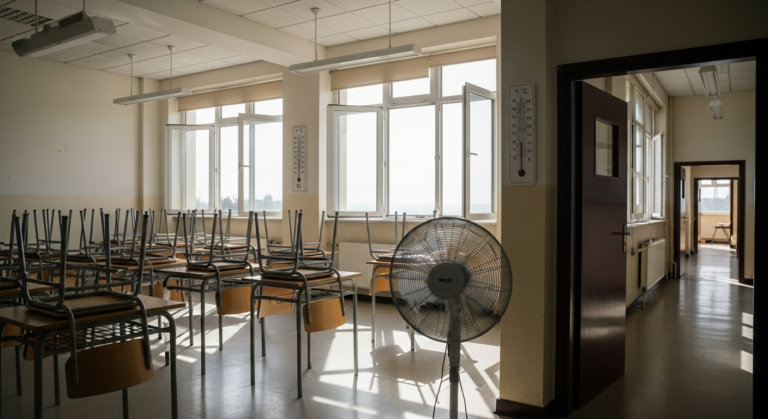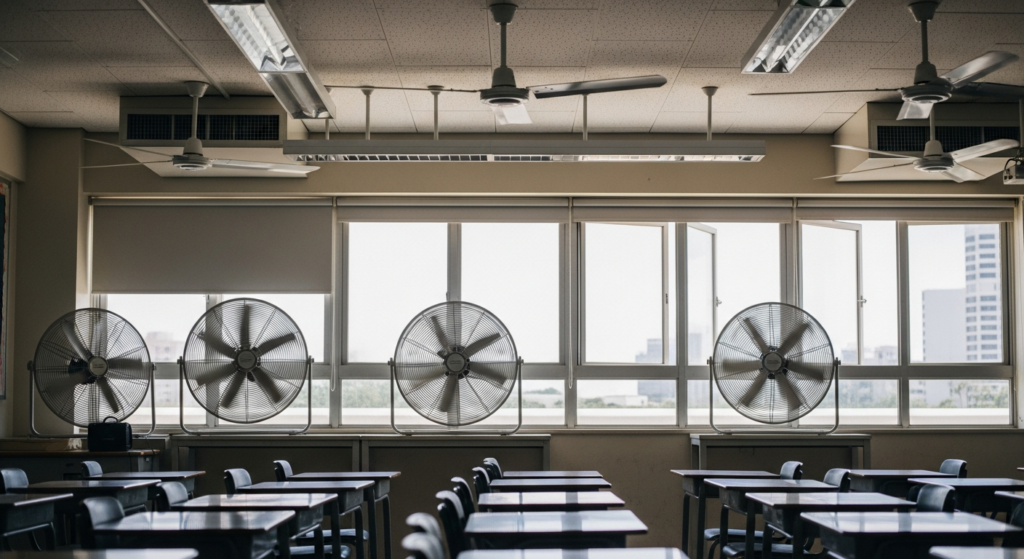
Across the country, school districts are grappling with the operational challenges posed by persistent heat waves, leading to renewed attention on the adequacy of classroom cooling and ventilation systems. These disruptions, which can range from altered schedules to concerns over student and staff well-being, underscore a broader conversation about building readiness in an era of rising temperatures.
The issue extends beyond immediate comfort, touching upon the fundamental ability of schools to provide an effective learning environment. National reports highlight how older school buildings, often lacking modern climate control systems or robust ventilation, are particularly vulnerable during periods of intense heat. The focus is not only on air conditioning but also on comprehensive ventilation strategies that ensure healthy air circulation, a concern that gained prominence during the pandemic and remains relevant for overall indoor air quality.
In Greenville, these national trends resonate with local educational planning. Greenville County Schools, one of the region’s largest employers and a cornerstone of the community, continually assesses its facilities to ensure they meet the needs of students and educators. While specific local disruptions related to recent heat waves have not been detailed, the general challenges of managing school infrastructure in a climate prone to hot summers are a constant consideration for the district.
The summer months in Greenville typically bring high temperatures, making the functionality of cooling systems a critical component of school operations, even outside of the primary academic calendar. Athletic programs, summer school sessions, and administrative functions continue throughout this period, requiring reliable environmental controls. The discussion around infrastructure preparedness extends to all educational levels, including institutions like Furman University, Bob Jones University, and Greenville Technical College, which also manage extensive campus facilities.
Maintaining a comfortable and safe indoor environment is essential for student concentration and academic performance. Overheating classrooms can lead to fatigue, reduced cognitive function, and health risks, particularly for younger students. Consequently, ensuring that schools are equipped to handle extreme heat is a matter of both educational efficacy and public health.
For Greenville, the ongoing national dialogue serves as a backdrop for local facility management and long-term planning. Decisions regarding capital improvements, maintenance schedules, and energy efficiency are influenced by the need to create resilient educational spaces. As the city continues to grow, with neighborhoods like Alta Vista and North Main seeing new families, the demand for high-quality, climate-controlled learning environments remains a priority for the community and its educational leaders.
### Why it matters in Greenville
The national focus on school cooling and ventilation directly impacts Greenville County Schools, which serves a vast student population across the county. Ensuring that classrooms are adequately climate-controlled is crucial for the health, safety, and academic success of thousands of students and staff members. As Greenville experiences its characteristic hot summers, the district’s ability to maintain optimal learning conditions directly affects daily operations, from regular school days to summer programs and extracurricular activities. Proactive planning and investment in facility upgrades are central to supporting a robust educational system capable of withstanding environmental challenges and providing a conducive environment for all learners in Greenville.