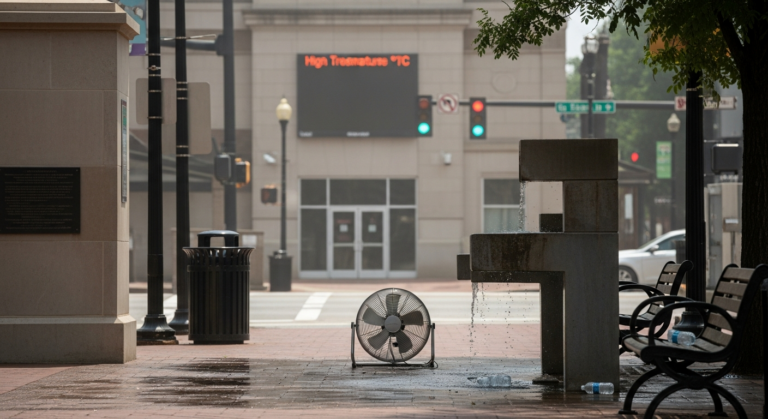
Health officials in Greenville and across the nation are issuing renewed warnings about the dangers of excessive heat, urging residents to take proactive measures to prevent heat-related illnesses. The human body typically regulates its temperature through sweating, but prolonged exposure to high heat can overwhelm this natural cooling system, leading to potentially fatal conditions.
Heat exhaustion and heat stroke represent a spectrum of severity, with the former serving as a precursor to the latter, more critical state. Symptoms of heat exhaustion include pale, ashen or moist skin; muscle cramps; profound fatigue, weakness or exhaustion; headache, dizziness or fainting; nausea or vomiting; and a rapid heart rate. If left unaddressed, these symptoms can quickly progress to heat stroke, a medical emergency characterized by delirium, organ damage, and a significant risk of death. National data underscores the severity of this public health challenge, with 294 people dying in the U.S. in 2023 due to weather-related excessive heat.
Certain populations face a significantly higher risk of developing heat-related illnesses. This includes individuals whose occupations require them to work outdoors or in hot indoor environments. In Greenville, this encompasses a range of workers from those in manufacturing facilities like BMW Manufacturing Co. and Michelin North America, to employees of GE Vernova Gas Power, and the many public works and maintenance staff employed by Greenville County Government. For these workers, the Occupational Safety and Health Administration (OSHA) advises implementing shorter shifts to allow for gradual acclimatization to the heat, ensuring consistent hydration by drinking fluids before thirst sets in, monitoring co-workers for signs of distress, and scheduling regular breaks in cool, shaded areas.
Infants and young children constitute another highly vulnerable group, particularly when inadvertently left in hot vehicles. The interior temperature of a car can rise to dangerous levels very quickly, even on a moderately warm day, posing an extreme risk of heat stroke to a child. Parents and caregivers are consistently reminded of the critical importance of never leaving children unattended in a vehicle.
Older adults, specifically those aged 65 and above, are also at elevated risk. Age-related physiological changes can impair the body’s ability to regulate temperature effectively. Furthermore, many older individuals may have pre-existing illnesses or chronic health conditions, or be taking medications that can interfere with thermoregulation or increase sensitivity to heat. Local healthcare providers such as Prisma Health and Bon Secours St. Francis often see an increase in heat-related admissions among this demographic during periods of high temperatures.
Individuals who are ill, have chronic health conditions, or are on certain medications should also exercise extreme caution. Conditions like heart disease, diabetes, and kidney disease can compromise the body’s ability to cope with heat stress. Similarly, some medications, including diuretics, antihistamines, and certain psychiatric drugs, can either reduce sweating or increase fluid loss, thereby heightening the risk of heat-related illness. People who are overweight also face increased risk due to their body’s reduced efficiency in dissipating heat.
Indoor heat stress is frequently underestimated, yet it poses a substantial threat, especially in residential and industrial settings lacking adequate climate control. Homes in older neighborhoods of Greenville, such as the Augusta Road Historic District or Hampton-Pinckney Historic District, may have less efficient insulation or air conditioning systems, making them susceptible to significant indoor heat buildup. Industrial workspaces, even indoors, can generate considerable heat from machinery or processes, creating hazardous conditions for workers if not properly managed.
Preventative measures are paramount. Staying well-hydrated by drinking plenty of water throughout the day, even if not feeling thirsty, is crucial. Seeking shade, particularly during the hottest parts of the day, and limiting strenuous outdoor activities are also highly recommended. For those who must be outdoors, wearing lightweight, light-colored, and loose-fitting clothing can help. Community members are encouraged to check on elderly neighbors or those with chronic health conditions who may be more susceptible to heat’s effects.
Why it matters in Greenville
The persistent summer heat in Greenville presents a direct challenge to public health and safety, placing particular strain on local resources and vulnerable populations. Institutions like Prisma Health and Bon Secours St. Francis are on the front lines, preparing for and responding to an anticipated increase in heat-related emergencies. The well-being of thousands of employees at major local employers, including BMW Manufacturing Co. and Michelin North America, depends on robust heat safety protocols, impacting the local economy and workforce productivity. Furthermore, the safety of children in summer programs and the elderly in various Greenville neighborhoods relies on community awareness and adherence to preventative measures, underscoring the collective responsibility to mitigate the risks posed by extreme temperatures.