Freshwater fishing has seen a significant surge in interest, with an estimated 40 million participants nationwide. This expanding enthusiasm is mirrored in Greenville, where access to a variety of lakes and rivers provides a rich environment for both seasoned anglers and newcomers alike.
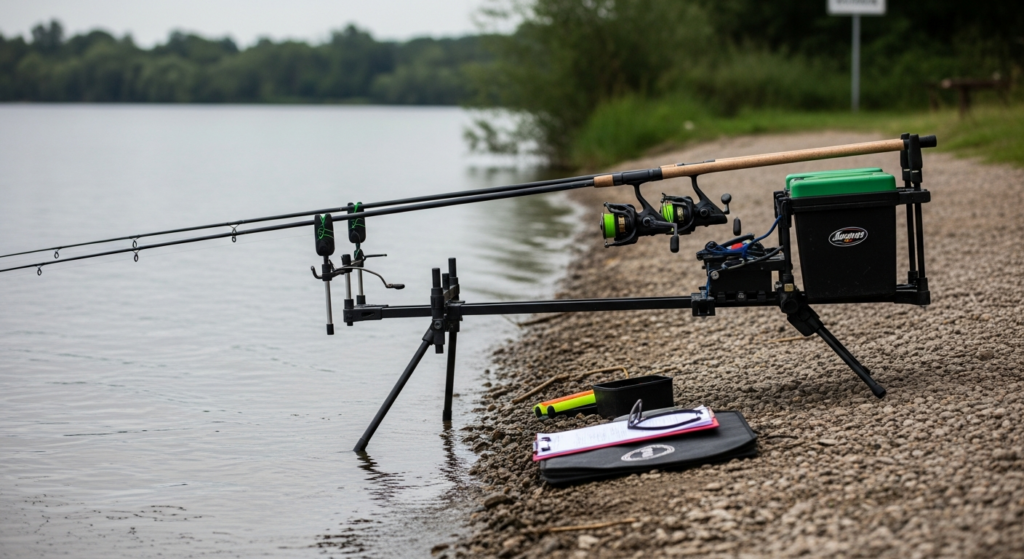
For those embarking on their first fishing trips, selecting the right equipment is a foundational step. Recommended beginner rod and reel setups typically include a 6’6” spincast rod paired with a 150-size spincast reel, offering ease of use and versatility. Another popular choice is a 6’6” spinning rod with a 2000 spinning reel, known for its smooth operation. For anglers looking to advance, a 7’ baitcasting rod with a 150-size casting reel provides greater control once mastered. When it comes to fishing line, a 10 lb. mono/nylon line is often suggested for its durability and manageability for beginners.
Bait selection can be straightforward for new anglers. Natural options like worms and minnows are highly effective and widely available, appealing to a broad range of freshwater species. Beyond natural bait, a small collection of versatile lures can significantly enhance a beginner’s tackle box. Key lure categories include topwater lures, which float on the surface; jerkbaits, designed to mimic wounded fish; crankbaits, which dive to various depths; and bottom baits such such as a Texas Rig or jig, for targeting fish near the lakebed. Vibrating jigs offer another effective option, creating enticing movement and sound underwater.
Specifically, four lure recommendations stand out for their effectiveness and ease of use: a soft 5” stickbait, a 3/8oz spinnerbait, a shallow running crankbait that dives 0-5 feet, and a hollow body frog. These lures cover a range of fishing conditions and target different species, providing a solid foundation for a beginner’s arsenal.
Identifying prime fishing spots is crucial, and several resources can assist anglers in Greenville. State Departments of Natural Resources often provide detailed maps and information on public access points. Local tackle stores are invaluable resources, offering not only gear but also expert advice on current conditions and productive areas. Free fishing message boards and specialized fishing apps can also connect anglers with community knowledge and real-time reports. Before heading out, it is essential to check state regulations and purchase a fishing license online, ensuring compliance with local laws.
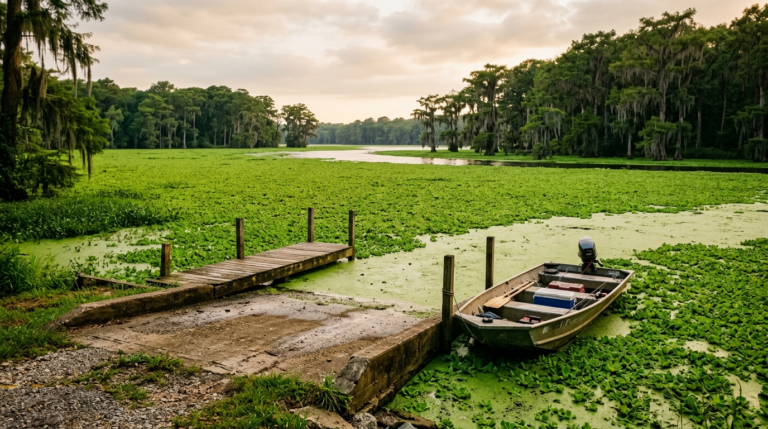
Greenville and its immediate surroundings offer diverse fishing environments. Pond fishing is an excellent starting point for beginners, often yielding bluegill, crappie, sunfish, catfish, or largemouth bass. These smaller, more contained bodies of water provide a less intimidating experience. For those ready to explore larger waters, the region’s lakes present broader opportunities. Lake Hartwell, Lake Keowee, and Lake Jocassee are prominent examples, where anglers can target shallow-water species near the shorelines or venture into deeper, open waters for lake trout and walleye. Rivers like the Saluda River and Reedy River also offer distinct fishing experiences, with different currents and habitats to explore.
During the summer months in Greenville, fish activity can vary. Anglers often find success early in the morning or late in the evening when water temperatures are cooler, prompting fish to feed more actively. Overcast conditions or light rain can also stimulate feeding, making these times particularly productive for fishing in local lakes and rivers. Understanding these patterns can significantly improve a beginner’s chances of a successful outing.
Why it matters in Greenville
The growing interest in freshwater fishing holds tangible benefits for Greenville. The accessibility of local waterways such as Lake Hartwell, Lake Keowee, and the Saluda River provides significant recreational opportunities for families and individuals, fostering outdoor engagement. This popularity also supports local businesses, from tackle shops to bait suppliers, contributing to the local economy. Furthermore, the increased participation often translates into greater awareness and support for the conservation efforts led by entities like Greenville County Government and local environmental groups, ensuring the health and sustainability of the region’s aquatic ecosystems for future generations of anglers.