As summer fishing activity continues across Greenville’s waterways, a new safety resource underscores the significant health and equipment risks posed by intense sun exposure, reflected ultraviolet (UV) radiation, high temperatures, and dehydration. The guide provides detailed recommendations aimed at ensuring the well-being of anglers, whether they are on Lake Hartwell, the Saluda River, or smaller local streams.
Central to the advice is robust sun protection. The resource highlights that the sun’s UV rays are at their most potent between 10 AM and 4 PM, a timeframe coinciding with peak fishing hours for many. A crucial factor for those on the water is the reflective nature of water surfaces, which can increase UV exposure by up to 15%. To mitigate this, anglers are strongly advised to use broad-spectrum sunscreen with a minimum Sun Protection Factor (SPF) of 30, with SPF 50+ recommended for extended periods on the water. Proper application involves applying sunscreen at least 30 minutes before sun exposure to allow it to bind effectively to the skin, with reapplication necessary every two hours, or more frequently after heavy sweating or splashing.
Beyond sunscreen, the guide advocates for a suite of protective gear. This includes lightweight, long-sleeved clothing with a UPF (Ultraviolet Protection Factor) rating, which offers a measurable level of UV defense. Light-colored apparel is also suggested to reflect sunlight rather than absorb it. A wide-brimmed hat, providing at least four inches of coverage around the entire head, is essential for protecting the face, ears, and neck. Polarized sunglasses offering 100% UV protection are also critical, not only for vision clarity on the water but also for safeguarding eye health from prolonged sun exposure.
Maintaining adequate hydration is another cornerstone of summer fishing safety. The guide recommends consuming at least eight ounces of water every 15 to 20 minutes during active fishing. Proactive hydration is key, with advice to begin drinking water the night before a fishing trip. Beverages high in caffeine or alcohol should be avoided, as they can contribute to dehydration. For individuals engaged in strenuous activity or experiencing significant sweating, sports drinks can be beneficial in replacing electrolytes lost through perspiration.
Recognizing the early signs of dehydration is vital for preventing more severe conditions. Initial indicators include thirst, dry mouth, decreased urination, and general fatigue. If these symptoms are ignored, dehydration can progress to more serious signs such as dizziness, a rapid heartbeat, and confusion, necessitating immediate attention.
Heat-related illnesses pose a significant threat. The guide differentiates between heat exhaustion and heat stroke, outlining appropriate responses for each. For heat exhaustion, the recommended actions include moving the affected person to a shaded area, removing any excess clothing, applying cool water to their skin, and providing cool fluids if they are conscious and able to swallow. Heat stroke is a medical emergency characterized by a body temperature above 103°F, an altered mental state, hot and dry skin (though sweating may still occur), a rapid pulse, and potential unconsciousness. In such cases, an immediate call to 911 is imperative, followed by aggressive cooling measures while awaiting emergency medical services.
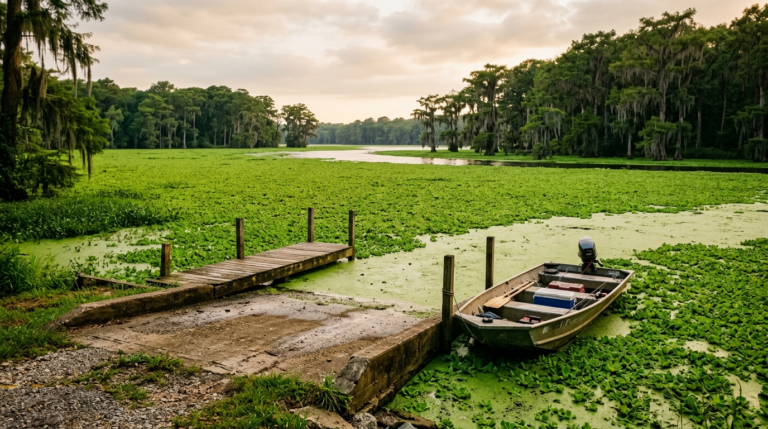
For those venturing out on boats, specific safety protocols are emphasized. Ensuring the boat has adequate shade, such as a Bimini top, is crucial. All safety equipment, including life jackets, fire extinguishers, and signaling devices, must be functional and easily accessible. A thorough check of the engine cooling system before departure can prevent breakdowns that could leave anglers stranded in the heat. Filing a float plan with a trusted contact, detailing the intended route and expected return time, provides a critical safety net. Carrying extra water, at least one gallon per person per day for emergencies, and a comprehensive emergency supply kit that includes a VHF radio for communication, are also strongly recommended.
Beyond these core recommendations, the safety resource touches on additional considerations. It advises fishing during cooler morning or evening hours to avoid the midday heat. Anglers are encouraged to carry a well-stocked first aid kit and practice safer hook handling techniques to prevent injuries. Regular maintenance of hot-weather gear, such as cooling towels and personal fans, can also enhance comfort and safety. The guide also acknowledges that specific environments, from saltwater to high-altitude or urban fishing spots, may present unique challenges requiring tailored precautions.
Why it matters in Greenville
Greenville boasts a rich array of fishing opportunities, from the swift currents of the Saluda River to the expansive waters of Lake Keowee and Lake Robinson. With summer temperatures regularly climbing, the guidance on sun protection, hydration, and heat emergency response is particularly pertinent for the thousands of residents and visitors who frequent these local waterways. Adhering to these safety measures can significantly reduce the risk of heat-related illnesses and other incidents, ensuring that fishing remains a safe and enjoyable pastime for the community. Local entities like Greenville County Parks, Recreation and Tourism often promote responsible outdoor recreation, aligning with the principles outlined in this safety resource to foster a safer environment for all who enjoy Greenville’s natural assets. The health and safety of individuals recreating on these waters directly impacts the local emergency services and healthcare providers, such as Prisma Health, underscoring the community-wide importance of preventative measures.