While the heat of summer prevails across Greenville, experienced turkey hunters are already looking ahead to the next spring season, understanding that successful hunts begin months before opening day. This proactive approach allows for thorough equipment checks, skill refinement, and strategic planning, all crucial elements for a safe and productive pursuit of wild turkeys.
Essential Legal Documents and Immediate Tagging
One of the most fundamental aspects of preseason preparation involves ensuring all legal documentation is in order. Hunters are advised to keep their state-issued tags readily accessible, along with a reliable pen. This seemingly minor detail is critical for compliance with regulations, as most states require a bird to be tagged immediately upon harvest. The ability to quickly and legally tag a bird in the field prevents potential violations and ensures a smooth, ethical hunting experience. Beyond the physical tags, hunters should verify the validity of their hunting licenses and any required permits well in advance, avoiding last-minute complications that could jeopardize a planned outing.
Strategic Concealment and Camouflage
Wild turkeys possess exceptionally sharp eyesight, making effective concealment paramount for hunters. Preseason is the opportune time to assess and update camouflage gear. Hunters must select patterns suited to the specific terrain they anticipate hunting, whether it be the hardwood ridges prevalent in areas surrounding the Saluda River, the pine flats found near Lake Hartwell, or other local habitats. The goal is to break up the human outline and blend seamlessly into the environment. This extends beyond outer clothing to include gloves and a face mask, which are essential for covering exposed hands and faces. Any uncovered skin, even a small patch, can reflect light or stand out against the natural backdrop, alerting a wary gobbler. Investing in high-quality, quiet camouflage that allows for silent movement is a critical component of a successful turkey hunt.
Weaponry: Shotguns, Muzzleloaders, and Archery Equipment
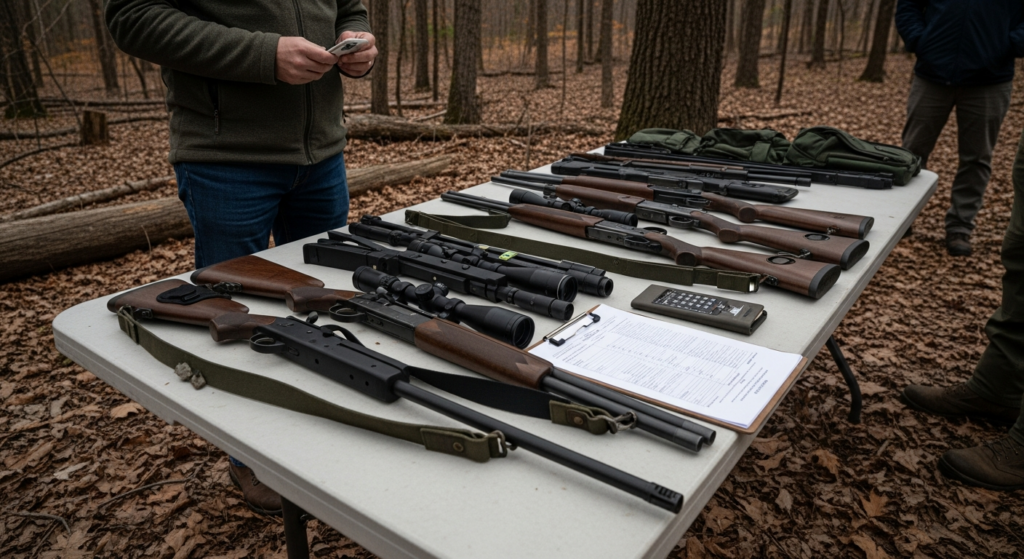
Most states, including South Carolina, allow turkeys to be taken with a shotgun, muzzleloader, or archery equipment. Preseason offers the ideal window to ensure chosen weaponry is in peak condition and legally compliant. For shotgun hunters, this involves inspecting the firearm for any wear, cleaning it thoroughly, and confirming its functionality. Muzzleloader users should check their ignition system, ensure the bore is clean, and verify their powder and projectile choices. Bowhunters face a more intricate preparation, needing to ensure their entire setup—bow, arrows, and accessories—is properly tuned and meets state-specific legal requirements for draw weight and arrow specifications. Practice is not merely about shooting; it involves practicing from realistic seated or kneeling positions, mimicking the scenarios often encountered in the field. This comprehensive check and practice regimen build confidence and proficiency, directly impacting ethical shot placement during the season.
Ammunition, Choke, and Broadhead Testing
Beyond the weapon itself, ammunition and terminal tackle require rigorous preseason testing. Shotgun hunters should carry enough ammunition not only for the full season but also for extensive pattern testing. This involves firing various loads and shot sizes through a properly installed turkey choke, which must be matched to the ammunition for optimal performance. The goal is to achieve a dense, consistent pattern at typical hunting ranges, ensuring sufficient energy and pellet count for a clean kill. For bowhunters, researching and testing broadheads is equally vital. This includes evaluating different types (fixed blade, mechanical) for accuracy, penetration, and reliability. Testing broadheads on practice targets from various angles and distances, especially from seated positions, confirms their flight characteristics and ensures they will perform as expected in a hunting situation. This meticulous testing eliminates variables and maximizes the hunter’s effectiveness.
Hearing Protection and Call Mastery
Protecting one’s hearing is a critical, yet sometimes overlooked, aspect of hunting safety. Electronic ear protection is highly recommended for shotgun hunters. These devices amplify ambient sounds, allowing hunters to hear subtle turkey calls and approaching game, while simultaneously muffling the deafening report of a shotgun blast. This dual functionality ensures both safety and situational awareness. Alongside hearing protection, mastering various call types is central to turkey hunting. Hunters should carry multiple calls, such as diaphragm calls, slate or glass pot-and-striker calls, box calls, and even traditional wing bone calls. Preseason practice is essential for developing proficiency with each, learning to mimic the full range of turkey vocalizations—from soft yelps and clucks to aggressive gobblers. Consistent practice helps build the muscle memory and nuance required to effectively communicate with wild turkeys in the field.
Navigation and Mapping for Strategic Hunting
Modern navigation tools have revolutionized how hunters approach scouting and in-field movement. Utilizing mapping applications such as HuntStand and onX Hunt during the preseason allows hunters to thoroughly research and understand their hunting areas. These applications provide detailed satellite imagery, topographic maps, and property boundary overlays, which are invaluable for identifying legal hunting areas, access points, and critical turkey habitat. Hunters can pinpoint potential roosting sites, analyze travel corridors, and mark key features like food plots or water sources. Understanding the lay of the land, including terrain features near the Enoree River or public lands accessible from Greenville, is crucial for developing effective hunting strategies, minimizing disturbances, and ensuring compliance with property lines. Preseason digital scouting, followed by physical reconnaissance, builds a comprehensive understanding of the hunting grounds.
Essential Field Gear and Carrying Systems
Beyond weapons and calls, a well-stocked field kit is indispensable. Hunters should always carry enough water and food to sustain them for the duration of their hunt, especially during warmer spring days. A sharp, reliable knife is essential for field dressing and processing a harvested bird, and it should be maintained and sharpened before the season. Optics, such as binoculars or a rangefinder, can aid in identifying game and assessing distances without spooking animals. A compact first aid kit, containing essentials for minor injuries and emergencies, is a non-negotiable item. All these items need an efficient carrying system. A dedicated turkey vest or a lightweight backpack designed for hunting allows for organized storage and easy access to calls, shells, water, and other equipment, ensuring that critical items are always within reach.
Comfort, Protection, and State-Specific Rules
Comfort and protection from the elements and insects are vital for maintaining focus during long hours in the field. Clothing treated with permethrin offers effective protection against ticks, which are prevalent in many hunting areas. During peak mosquito season, which often extends into the warmer months of spring and summer, a Thermacell unit can provide a crucial zone of protection, minimizing distractions from biting insects. Finally, hunters are advised to thoroughly review and follow their state’s specific turkey-hunting rules and regulations, as these can vary significantly. Optional gear, such as rangefinders or shooting sticks, should be tailored to individual hunting styles and the expected conditions of the hunt, ensuring that every piece of equipment serves a purpose and enhances the overall experience.
Why it matters in Greenville
For many in Greenville, the pursuit of wild turkey represents a deep connection to the natural environment of the Upstate region. The meticulous preseason preparation underscores the dedication of local outdoor enthusiasts and contributes to the responsible management of wildlife resources across Greenville County. The availability of diverse hunting grounds, from the foothills near Lake Keowee to the river bottoms along the Saluda River, supports a vibrant tradition of outdoor recreation. This commitment to preparation also has a tangible impact on local businesses that supply hunting gear, ammunition, and outdoor apparel, contributing to the broader economy of Greenville. Ensuring hunters are well-prepared and adhere to regulations helps maintain safe and ethical practices, preserving the sport for future generations and reinforcing Greenville’s identity as a hub for outdoor activities.