A comprehensive guide to summer home maintenance, encompassing safety protocols and preventative upkeep, has been circulated for residents in Greenville, focusing on mitigating common seasonal hazards and averting expensive damage. The recommendations cover a range of areas from landscaping and pool care to exterior and indoor maintenance, alongside specific guidance for outdoor grilling and fire pits.
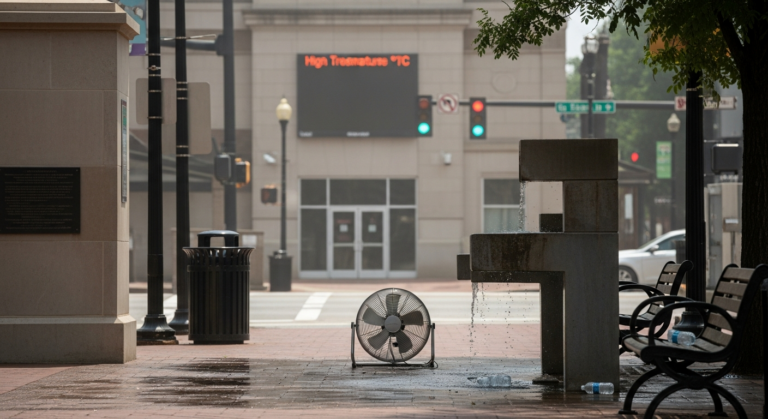
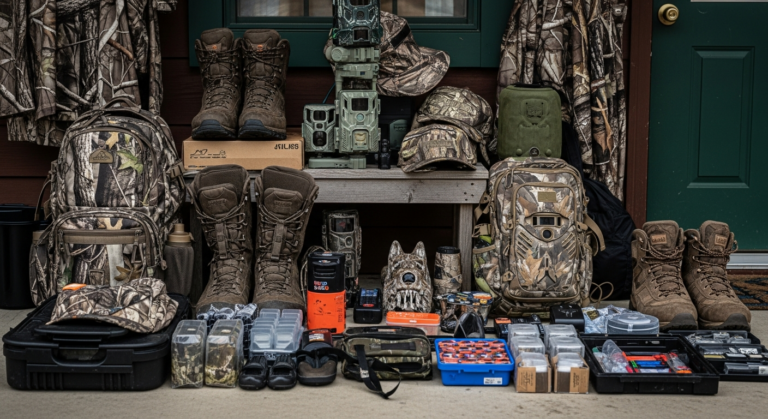
Landscaping, a perennial summer activity, carries significant risks if not approached with caution. The checklist underscores the importance of learning how to properly operate lawn and gardening equipment, advocating for the consistent use of appropriate safety gear such as gloves, eye protection, and sturdy footwear. Given the often-stifling summer heat in Greenville, taking regular breaks and staying hydrated are crucial to prevent heat-related illnesses. Awareness of one’s surroundings is also highlighted, particularly when operating machinery. Beyond personal safety, the guide advises on structural protection, recommending that soil be graded to decline slightly away from the home within the first 10 feet of the foundation. This simple measure can prevent water accumulation and subsequent damage to foundations. Furthermore, removing standing water from buckets, plant pots, and low-lying areas is essential not only for mosquito control but also to prevent potential structural issues. Annually, nearly 320,000 people nationwide seek emergency room treatment for injuries linked to lawn and gardening equipment, underscoring the necessity of these precautions.
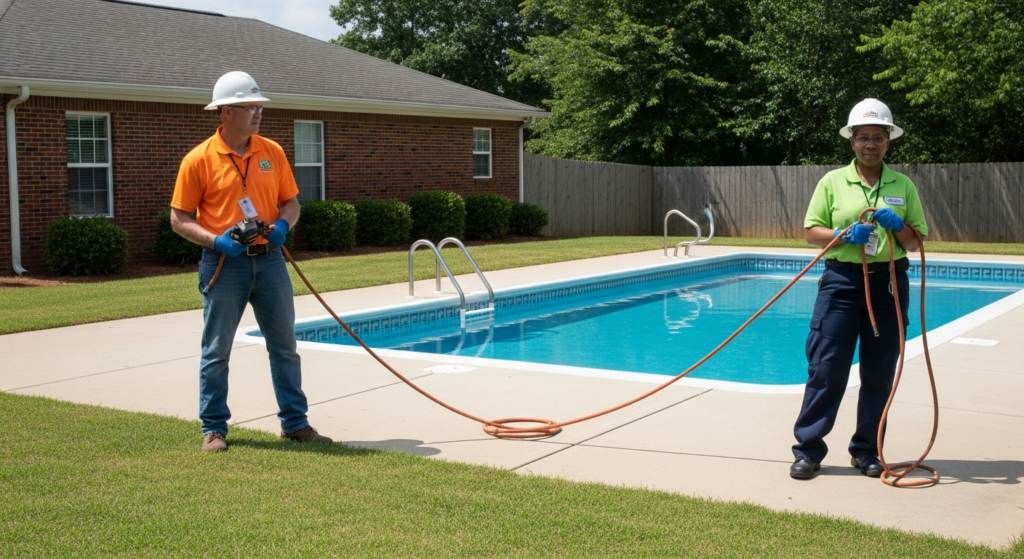
For homes equipped with pools, the maintenance recommendations are particularly pertinent. Before the official start of pool season, cleaning the filter is a primary step. The guide also details the process of cleaning the pump filter, emphasizing the critical safety measure of unplugging and shutting off the pump beforehand. A significant concern for pool owners is leaks, which can lead to substantial water loss, increased utility bills, and even dangerous sinkholes. The checklist provides a straightforward method for detecting leaks: placing a five-gallon bucket filled with water on a pool step, marking the water level inside and outside the bucket, and checking it after a 24-hour period. If the pool’s water level drops more than the bucket’s, a leak is likely present. Approximately one in 20 pools is estimated to have a detectable leak. Additionally, inspecting trees located near or directly over the pool is advised to prevent falling debris from damaging the pool structure or clogging filters.
Exterior home maintenance extends beyond the immediate pool area. Cleaning gutters and downspouts is a critical task, especially before and after summer rainstorms, to ensure proper water drainage away from the home’s foundation and roofline. Playsets, often a focal point for children’s outdoor activity, require regular inspection. This includes tightening any loose nuts and bolts, oiling moving parts to prevent rust and ensure smooth operation, checking protective caps and plugs for wear, and replacing any warped, cracked, or deteriorated components. These measures are vital given that about 50,000 children are treated in emergency rooms each year for playground-related injuries, with approximately 80% of these injuries resulting from falls. Pressure washing is recommended to remove mold and mildew from siding, decks, and walkways, improving curb appeal and preventing surface deterioration. A professional roof inspection for shingle damage and water leaks is also advised, as summer storms can cause unseen damage. Finally, repairing chipped paint or rotted wood not only maintains the home’s aesthetic but also prevents further structural decay.
Outdoor grilling is a popular summer pastime, but it demands strict adherence to safety guidelines. Gas, electric, and charcoal grills should always be placed at least three feet away from children and pets. Crucially, they must be positioned a safe distance from homes, deck railings, and overhanging tree branches to prevent accidental fires. Grills should never be left unattended while in use. Regular cleaning before cooking, along with the consistent emptying of grease traps, is essential to reduce the risk of dangerous flare-ups and grease fires.
Similarly, fire pits and campfires, while enjoyable, require careful management. The guide recommends keeping a hose or a five-gallon bucket of water readily accessible nearby to quickly extinguish any errant flames. Fires should never be left unattended and must be completely extinguished before leaving the area. To control fire size and prevent spread, fires should be limited to three feet in diameter and two feet in height. Using a stone- or brick-confined pit or a portable outdoor fireplace equipped with a screen is also advised. Before lighting any fire, flammable materials and dry leaves should be cleared from the surrounding yard.
Indoor maintenance also plays a role in summer home upkeep. Ensuring the garage door is properly maintained and locked is a key security measure. Removing valuables from vehicles, especially those parked outdoors, is a simple yet effective deterrent against theft. Monitoring indoor humidity levels with a hygrometer is recommended, with the ideal range being 30% to 60%. Higher humidity, common during Greenville’s humid summers, can significantly increase the risk of mold growth, wood rot, and pest infestations. Employing a dehumidifier when necessary can help maintain optimal indoor conditions.
Finally, the efficiency and longevity of air conditioning systems are paramount during the hot summer months. The checklist strongly recommends having a licensed HVAC technician inspect air-conditioning systems or window units before the onset of hot weather. Scheduling these inspections before the busy season begins can ensure timely service and prevent breakdowns when the system is most needed, providing comfort and preventing costly emergency repairs.
Why it matters in Greenville
These comprehensive summer maintenance guidelines are particularly relevant for Greenville residents, impacting everything from personal safety to property values. With a significant number of homes in established neighborhoods like Alta Vista and Hampton-Pinckney Historic District, proactive maintenance can preserve the architectural integrity and market value of properties. Furthermore, the statistics on emergency room visits related to landscaping and playground injuries highlight the potential strain on local healthcare providers such as Prisma Health and Bon Secours St. Francis. Adhering to these safety measures can reduce preventable incidents, ensuring that Greenville’s healthcare resources are available for more critical needs. The recommendations also contribute to the overall well-being and security of the community, fostering a safer and more resilient environment for all who call Greenville home during the warmer months.