As recreational fishing continues to draw enthusiasts to the region’s abundant waterways, a new safety guide emphasizes the critical precautions necessary for anglers navigating the summer conditions in Greenville and its surrounding areas. The resource, compiled to address common risks, covers everything from sun protection and hydration to recognizing and responding to heat emergencies, alongside essential boat and gear maintenance.
One of the primary concerns for anglers is prolonged exposure to the sun. The guide highlights that the sun’s ultraviolet (UV) rays are most intense between 10 AM and 4 PM. Compounding this risk, water surfaces can reflect a significant portion of UV radiation—up to 15 percent—back at individuals on or near the water. To counter this, the guide strongly recommends using broad-spectrum sunscreen with an SPF (Sun Protection Factor) of at least 30. For those planning extended periods on the water, such as a full day on Lake Hartwell or Lake Keowee, an SPF of 50 or higher is advised. Proper application is key: sunscreen should be applied approximately 30 minutes before heading outdoors and reapplied every two hours. More frequent reapplication is necessary after heavy sweating or if the skin has been splashed extensively.
Beyond sunscreen, protective clothing and accessories form another crucial layer of defense. Anglers are encouraged to wear lightweight, long-sleeved clothing with a UPF (Ultraviolet Protection Factor) rating, which indicates how much UV radiation a fabric blocks. Light-colored garments are also preferable as they reflect sunlight rather than absorbing it. A wide-brimmed hat, offering at least four inches of coverage around the head and neck, is essential for shielding the face and ears. Polarized sunglasses with 100 percent UV protection are also a non-negotiable item, protecting eyes from both direct and reflected glare, which can be particularly intense on the Saluda River or Lake Robinson.
Maintaining adequate hydration is paramount, especially during active fishing. The guide advises anglers to consume at least eight ounces of water every 15 to 20 minutes. It explicitly cautions against beverages high in caffeine or alcohol, as these can contribute to dehydration. For those engaging in strenuous activity or prolonged exposure to heat, sports drinks can be beneficial in replacing electrolytes lost through sweating, helping to maintain the body’s fluid balance.
Understanding the signs and symptoms of heat-related illnesses is critical for immediate intervention. Heat exhaustion, a less severe but still serious condition, manifests through heavy sweating, general weakness, nausea, headaches, and muscle cramps. If these symptoms appear, individuals should move to a cooler environment, loosen clothing, and rehydrate. Heat stroke, however, is a medical emergency requiring immediate attention. Its symptoms include a body temperature exceeding 103°F, an altered mental state (confusion, disorientation), hot and dry skin (though sweating may still be present in some cases), and a rapid pulse. Unconsciousness can also occur. In suspected cases of heat stroke, emergency services (911) must be called immediately, and aggressive cooling measures, such as applying ice packs to the neck, armpits, and groin, should be initiated while awaiting professional medical help.
Strategic planning for fishing trips can significantly mitigate risks. The guide suggests scheduling fishing excursions during cooler parts of the day, such as before sunrise or in the evening. If fishing during peak heat is unavoidable, seeking out shaded areas, casting into deeper water, or utilizing covered structures can provide some respite from the sun’s intensity. This is particularly relevant for those fishing on the Reedy River or the mountain trout streams like Eastatoe Creek, where natural shade can vary.
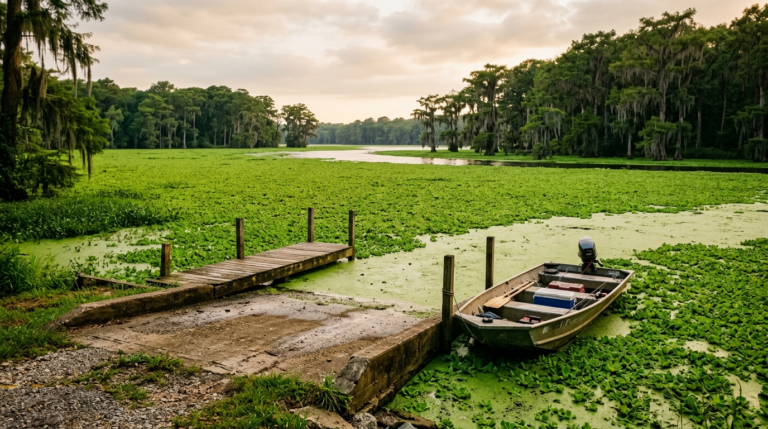
For boat anglers, specific safety checks are recommended before each outing. This includes verifying the proper function of engine cooling systems and ensuring all required safety equipment, such as life jackets and signaling devices, is onboard and in good working order. Filing a float plan with a trusted contact, detailing the planned route, expected return time, and number of passengers, is a simple yet crucial step for emergency preparedness. Additionally, carrying extra water and emergency supplies, including a VHF radio for communication, is advised. A minimum of one gallon of water per person per day should be carried for emergencies, especially when exploring larger bodies of water like Lake Jocassee or Lake Greenwood.
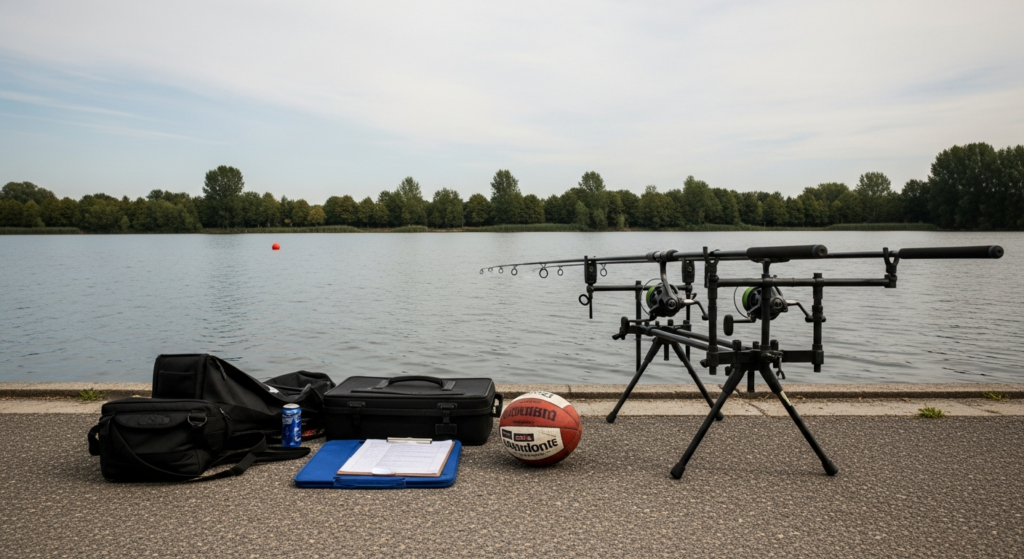
Beyond these specific recommendations, the overarching message of the guide is to prioritize safety over extending a fishing trip. Environmental conditions can change rapidly, and being prepared for various scenarios, including unexpected weather shifts or equipment malfunctions, is part of responsible angling. Regular maintenance of fishing gear and understanding the limitations of one’s own physical endurance are also integral components of a safe and enjoyable experience on Greenville’s waterways.
Why it matters in Greenville
Greenville’s identity is deeply intertwined with its natural assets, particularly its rivers and lakes, which serve as vital recreational hubs for residents and visitors alike. The widespread adoption of these summer fishing safety guidelines is crucial for preventing heat-related incidents and ensuring the well-being of those enjoying the Saluda River, Lake Hartwell, and other popular fishing destinations. Ignoring these precautions could lead to an increase in heat exhaustion and heat stroke cases, potentially straining local healthcare providers such as Prisma Health. By adhering to these recommendations, anglers can continue to safely enjoy the region’s natural beauty, contributing to a healthier and more resilient community in Greenville.