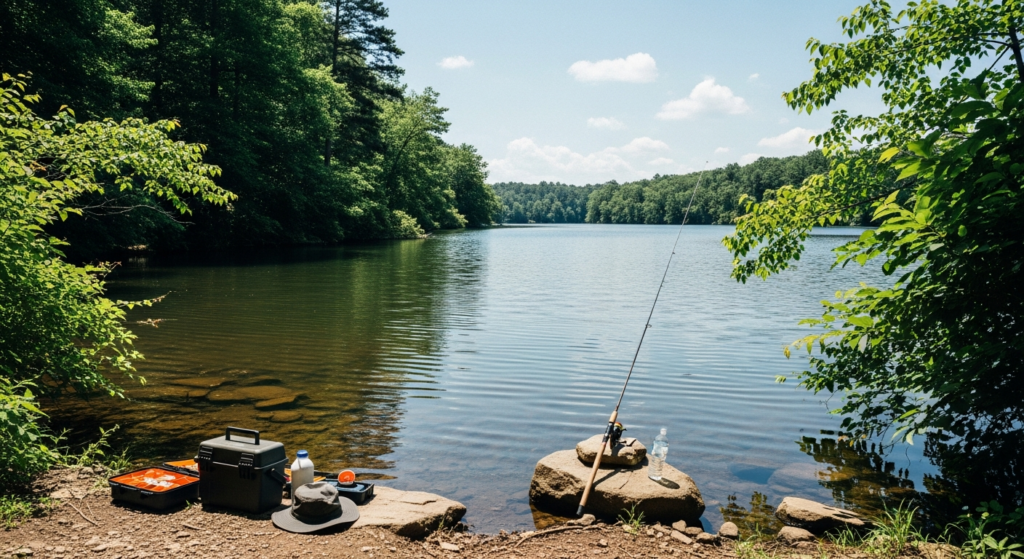
Anglers frequenting Greenville’s extensive network of waterways, including the Saluda River, Lake Hartwell, and Lake Keowee, are being reminded of essential safety measures outlined in a recently issued guide. With summer temperatures persisting, the recommendations address risks associated with prolonged sun exposure, dehydration, and potential emergencies on the water.
The guide emphasizes that the sun’s ultraviolet (UV) rays are most intense between 10 AM and 4 PM. Compounding this intensity, water surfaces can reflect up to 15% of UV radiation, significantly increasing an angler’s exposure. To mitigate this, broad-spectrum sunscreen with a minimum SPF of 30 is recommended, with SPF 50 or higher suggested for extended periods on the water. It should be applied 30 minutes before going outdoors and reapplied every two hours, or more frequently if an individual is sweating heavily or frequently splashed.
Beyond sunscreen, appropriate protective equipment plays a crucial role. Lightweight, long-sleeved UPF-rated clothing is advised to provide a physical barrier against UV rays. Light-colored garments are also recommended, as they reflect sunlight and help keep the body cooler. A wide-brimmed hat, offering at least four inches of coverage around the head and neck, is essential for facial and neck protection. Polarized sunglasses, which provide 100% UV protection, are also critical for safeguarding eye health and reducing glare off the water, improving visibility and comfort.
Hydration is another cornerstone of summer safety. The guide recommends consuming at least eight ounces of water every 15 to 20 minutes during active fishing. Starting hydration the night before an outing can also help prepare the body for exertion in the heat. Conversely, beverages high in caffeine or alcohol should be avoided, as they can contribute to dehydration rather than alleviate it. Early signs of dehydration include thirst, dry mouth, decreased urination, and fatigue. If these symptoms are ignored, more severe indicators such as dizziness, a rapid heartbeat, and confusion can develop, signaling a more dangerous state.
Heat stroke is identified as a life-threatening emergency requiring immediate action. Symptoms can include a body temperature above 103°F, an altered mental state, hot and dry skin, a rapid pulse, and in severe cases, unconsciousness. Should these signs appear, the guidance is unequivocal: call 911 immediately and begin aggressive cooling measures while awaiting emergency medical services. This could involve moving the individual to a cooler, shaded area, loosening clothing, and applying cool, wet cloths to the skin.
For those venturing onto larger bodies of water like Lake Jocassee or Lake Greenwood, specific boat-fishing precautions are detailed. Anglers should routinely check their engine cooling system to prevent breakdowns. Maintaining all required safety equipment, such as personal flotation devices, fire extinguishers, and signaling devices, is paramount. Filing a float plan with a trusted contact, detailing the intended route and expected return time, provides a critical safety net. Carrying extra water, with a minimum of one gallon per person per day for emergencies, is also advised. Finally, having a VHF radio onboard is recommended for reliable communication, especially in areas where cell phone service may be unreliable.
Why it matters in Greenville
Greenville’s identity is closely tied to its natural surroundings, particularly its rivers and lakes, which draw a significant number of anglers and outdoor enthusiasts throughout the summer. The guidance on fishing safety directly impacts the well-being of residents and visitors who recreate on the Saluda River, Reedy River, or venture to nearby lakes like Lake Hartwell. Adherence to these precautions can reduce the strain on local emergency services, including Prisma Health, by preventing heat-related illnesses and boating accidents. Ensuring a safe environment for recreational activities allows the community to continue enjoying Greenville’s natural assets responsibly, preserving both individual health and the quality of shared public spaces.