A new guide outlining comprehensive safety measures for anglers has been released, emphasizing precautions against heat, sun exposure, and potential emergencies on the water. The recommendations are particularly pertinent for those fishing in and around Greenville’s extensive network of rivers and lakes, where summer conditions can pose significant risks.
The guidance highlights that the sun’s ultraviolet (UV) rays are strongest between 10 AM and 4 PM. During these peak hours, water surfaces, such as those found on Lake Hartwell or the Saluda River, can reflect an additional 15% of UV radiation, intensifying exposure. To mitigate this, the guide strongly recommends the use of broad-spectrum sunscreen with an SPF (Sun Protection Factor) of at least 30. For extended periods on the water, an SPF of 50 or higher is preferable. Anglers are advised to apply sunscreen 30 minutes before heading outdoors to allow it to absorb effectively and to reapply it every two hours. More frequent reapplication is necessary when sweating heavily or after getting splashed, common occurrences during active fishing.
Beyond sunscreen, protective clothing and accessories are crucial. The guide suggests wearing lightweight, long-sleeved UPF-rated clothing, which offers built-in UV protection. Light-colored garments are also recommended as they reflect sunlight rather than absorbing it, helping to keep the body cooler. A wide-brimmed hat, providing at least four inches of coverage around the head and neck, is essential for facial protection. Polarized sunglasses with 100% UV protection are also vital, not only to protect eyes from harmful rays but also to reduce glare off the water, improving visibility and reducing eye strain. To further reduce sun exposure, anglers are encouraged to plan their trips during cooler periods, such as early morning or evening hours. Utilizing natural shade along riverbanks or seeking deeper water where possible can also provide respite during peak heat.
Hydration is presented as a cornerstone of summer safety. The guide recommends drinking at least 8 ounces of water every 15 to 20 minutes during active fishing. This consistent intake is crucial to replenish fluids lost through perspiration, a process that accelerates in direct sunlight and high humidity. Proactive hydration is also emphasized, with advice to begin hydrating the night before a planned fishing excursion. Beverages high in caffeine or alcohol should be avoided, as they can contribute to dehydration rather than preventing it. Recognizing the signs of dehydration is equally important. Early indicators include increased thirst, a dry mouth, decreased urination, and general fatigue. As dehydration progresses, more severe symptoms can manifest, such as dizziness, a rapid heartbeat, and confusion. Should these more serious signs appear, immediate action to rehydrate and cool down is necessary.
The guide details the critical steps to take in the event of heat-related emergencies, particularly heat stroke, which is described as a life-threatening condition. Symptoms of heat stroke can include a body temperature above 103°F, an altered mental state (such as confusion or irritability), hot and dry skin (though sweating may still be present in some cases), a rapid pulse, and even unconsciousness. In such an emergency, the immediate guidance is to call 911 for professional medical assistance and to begin aggressive cooling measures while awaiting help. This can involve moving the individual to a cooler, shaded area, applying cool, wet cloths to the skin, or immersing them in cool water if safe and feasible. The resource also underscores the importance of ending fishing trips when environmental conditions, such as extreme heat or sudden storms, become dangerous, prioritizing safety over continuing the activity.
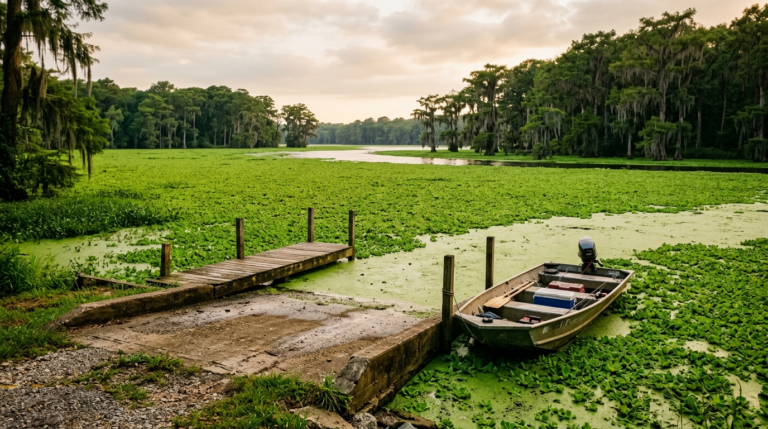
For those who fish from boats on larger bodies of water like Lake Keowee, Lake Jocassee, or Lake Greenwood, specific precautions are paramount. Before each outing, anglers should thoroughly check their boat’s engine cooling system to prevent overheating, a common issue in warm weather. Maintaining all safety equipment, including life jackets, flares, and fire extinguishers, in good working order is non-negotiable. Filing a float plan with a trusted contact, detailing the intended route, duration, and number of people onboard, provides a crucial safety net in case of an emergency. Carrying extra water and emergency supplies, including a comprehensive first-aid kit, is also advised. The guide recommends having at least one gallon of water per person per day for emergencies, especially on longer trips. Furthermore, keeping a VHF radio onboard ensures reliable communication, even in areas with limited cell service, allowing for direct contact with marine authorities or other vessels.
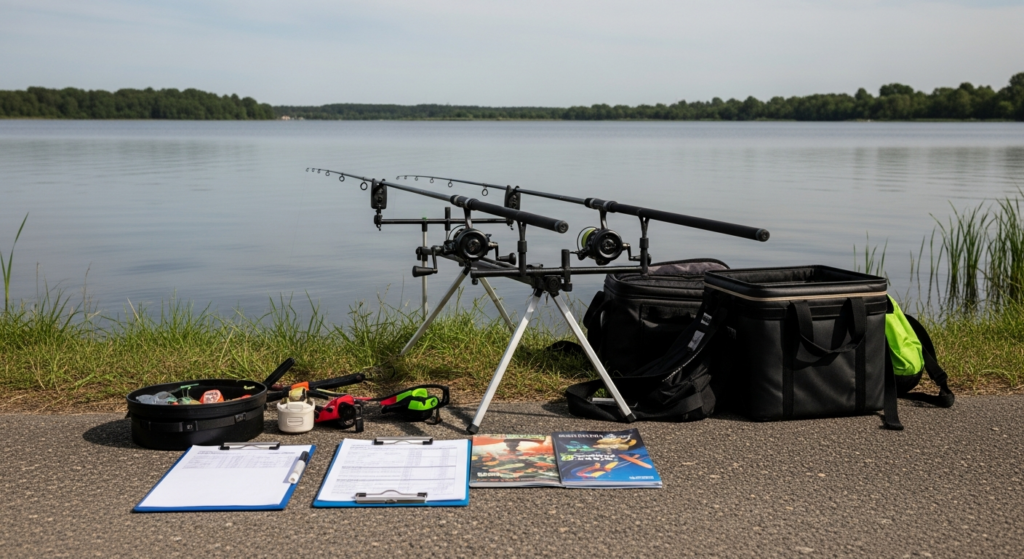
General preparedness measures extend beyond specific boat-related concerns. Anglers should always carry a well-stocked first-aid kit that includes items for treating minor injuries, insect bites, and sun-related issues. Reliable communication supplies, such as a fully charged cell phone in a waterproof case or a satellite messenger for more remote areas, are essential. Even when fishing closer to urban areas along the Reedy River or the Enoree River, having these tools can make a significant difference in an emergency. Regular maintenance of fishing tackle and gear, ensuring lines are strong and reels are functioning correctly, also contributes to a safer and more enjoyable experience, preventing frustrations that could distract from safety protocols.
Why it matters in Greenville
Greenville’s identity is deeply tied to its natural assets, including the Saluda River, Lake Hartwell, and numerous smaller streams that draw anglers from across the Upstate. Ensuring the safety of those who recreate on these waters is not merely a matter of individual responsibility but a broader public health concern. Local healthcare providers, such as Prisma Health, are equipped to handle heat-related emergencies, but prevention remains the most effective strategy. By adhering to these safety guidelines, anglers contribute to a safer recreational environment, preserving the enjoyment of Greenville’s cherished waterways for everyone. The continued accessibility and safe use of these natural resources are vital for the community’s well-being and economic vitality, supporting local businesses and enhancing the quality of life in Greenville.