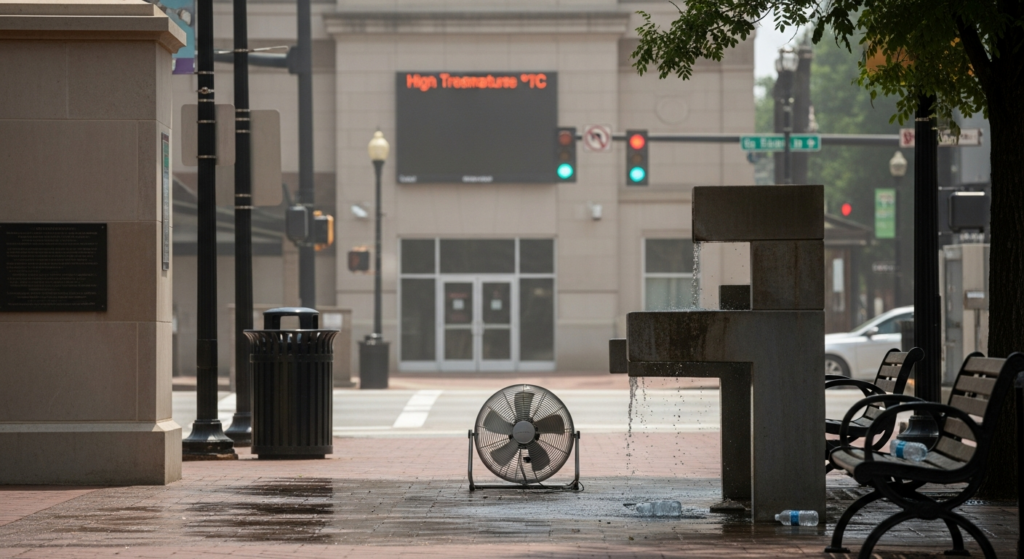
Public health officials are once again drawing attention to the serious risks posed by excessive heat, urging residents of Greenville and the surrounding areas to review and implement guidelines for preventing and responding to heat-related illnesses. The renewed emphasis comes as the region experiences typical summer conditions, and in the wake of national data indicating a significant toll from heat exposure.
In 2023, a total of 294 individuals across the United States died from weather-related excessive heat, a stark reminder of the potentially fatal consequences of prolonged exposure to high temperatures. This figure underscores the importance of proactive measures and swift action when symptoms arise.
Certain populations are identified as being particularly vulnerable to heat-related illnesses. These include outdoor workers, who face continuous exposure; infants and young children, especially those inadvertently left in hot vehicles, where temperatures can rise rapidly to dangerous levels; and individuals aged 65 and older, whose bodies may regulate temperature less efficiently. Others at heightened risk include people who are already ill, those with chronic health conditions, individuals taking certain medications that can impair temperature regulation, and those who are overweight.
For workers whose jobs require them to be outdoors, specific precautions are recommended to mitigate risk. Employers and employees are advised to implement shorter shifts, particularly for those not yet acclimated to the heat. Consistent hydration is crucial; individuals should drink fluids regularly, even before feeling thirsty. Monitoring coworkers for signs of distress is also vital, fostering a collective approach to safety. Regular breaks in cool, shaded areas are essential for rest and to allow the body to cool down.
Recognizing the symptoms of heat exhaustion is the first step toward intervention. These can include skin that appears pale, ashen, or moist, often accompanied by muscle cramps. Individuals may experience fatigue, weakness, or general exhaustion. Headaches, dizziness, or fainting spells are also common indicators, as are nausea or vomiting. A rapid heart rate can further signal the body’s struggle to cope with the heat.
Heat stroke represents a more severe and life-threatening condition, requiring immediate emergency medical attention. Key signs of heat stroke include a dangerously elevated body temperature, typically above 103 degrees Fahrenheit. The skin may appear flushed, dry, and hot, with sweating often having ceased—a critical distinction from heat exhaustion. Rapid breathing, a persistent headache, dizziness, confusion, or other altered mental states are serious indicators. In some cases, individuals may exhibit irrational or belligerent behavior, convulsions, or become unresponsive.
Immediate response to suspected heat stroke is critical. The very first step is to call 911 without delay. While awaiting emergency services, move the victim to the coolest possible place, such as an air-conditioned room or a shaded area. Remove any unnecessary clothing to facilitate cooling. Begin actively cooling the victim using methods such as cold-water immersion, if feasible, or applying cold, wet towels to the skin. Continue these cooling efforts until the body temperature falls to approximately 101 degrees Fahrenheit. Throughout this process, monitor the victim’s breathing and be prepared to provide cardiopulmonary resuscitation (CPR) if necessary.
Preventive measures are the most effective defense against heat-related illnesses. Utilizing air conditioning is paramount during periods of extreme heat. Consistent fluid intake, even when not thirsty, is vital for maintaining hydration, though alcohol consumption should be avoided as it can contribute to dehydration. Wearing loose-fitting, lightweight clothing and a hat can help protect against sun exposure and allow for better air circulation. Replacing salts lost through sweating with fruit juice or sports drinks can prevent electrolyte imbalances. Limiting outdoor activity, particularly between 11 a.m. and 3 p.m. when the sun is strongest, is advisable. Applying sunscreen regularly and pacing physical exertion are also important. Finally, checking on elderly, house-bound, or otherwise vulnerable neighbors can provide a critical safety net for those most at risk in Greenville.
Why it matters in Greenville
Greenville, like many communities in the Upstate region, experiences significant summer heat, making awareness of heat-related illness crucial for public safety. Employers such as Prisma Health and Bon Secours St. Francis are on the front lines of treating heat-related emergencies, while major employers like BMW Manufacturing Co., Michelin North America, and Greenville County Schools have a vested interest in ensuring the safety of their outdoor workers and students. Adherence to these guidelines can reduce the strain on local emergency services and healthcare providers, ensuring that resources are available for other critical needs. Proactive measures protect the well-being of all residents, from those working along the Saluda River to families enjoying the city’s parks, fostering a safer and healthier community throughout the summer months in Greenville.