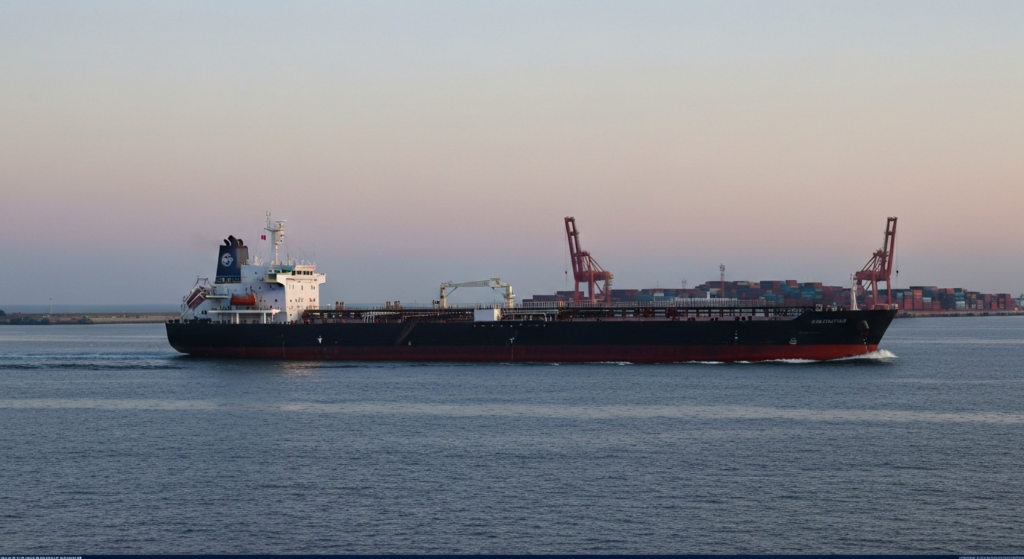
Global oil prices and shipping risk assessments have become a focal point for market analysts following reports of a potential agreement between the United States and Iran. Central to these discussions is the prospect of the reopening of the Strait of Hormuz, a vital maritime passage whose accessibility directly influences energy markets and the integrity of refinery supply chains worldwide.
The Strait of Hormuz, a narrow waterway situated between the Persian Gulf and the Gulf of Oman, serves as a critical transit route for a significant portion of the world’s crude oil. Any disruption or perceived threat to its operations can trigger volatility in oil prices and impact the cost of shipping, affecting industries and consumers far beyond the immediate region.
The market’s attention is currently fixed on the specifics of the reported U.S.-Iran agreement. Details regarding the terms, enforcement mechanisms, and timeline for the potential reopening of the strait are crucial for understanding the immediate and long-term implications for global energy security. Analysts are scrutinizing how the agreement might alleviate existing geopolitical tensions and restore predictable shipping flows through this strategic chokepoint.
The implications extend to the logistics sector, which relies on the stable transit of goods through major maritime routes. For businesses involved in the import and export of oil and refined products, the status of the Strait of Hormuz is a key factor in operational planning and risk management. Fluctuations in shipping costs and availability can ripple through the economy, affecting manufacturing, transportation, and ultimately, consumer prices.
While the broader geopolitical context of U.S.-Iran relations is complex, the immediate market reaction is tied to the tangible impact on the flow of oil. The potential for a reopened Strait of Hormuz suggests a possible easing of supply-side pressures, which could translate into more stable or even lower oil prices. However, market observers remain cautious, awaiting concrete confirmation and further details to assess the true extent of the agreement’s influence.
The interconnectedness of global energy markets means that developments in one critical region can have far-reaching consequences. The situation surrounding the Strait of Hormuz underscores the delicate balance of international relations and its direct correlation with economic stability. The coming days and weeks will be critical as markets digest the information and adjust their expectations based on the unfolding details of the U.S.-Iran agreement.