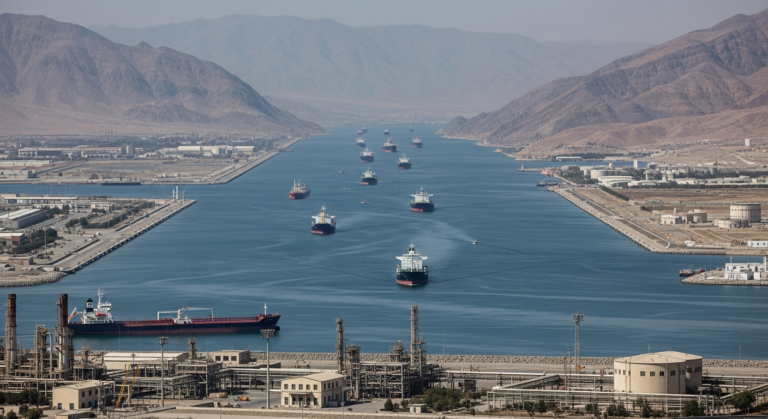
G7 leaders have expressed their support for the recent U.S.-Iran agreement, viewing it as a significant diplomatic development that could enhance maritime access in the Strait of Hormuz. This agreement is seen as a potential stabilizing factor in a region that has long been fraught with tensions.
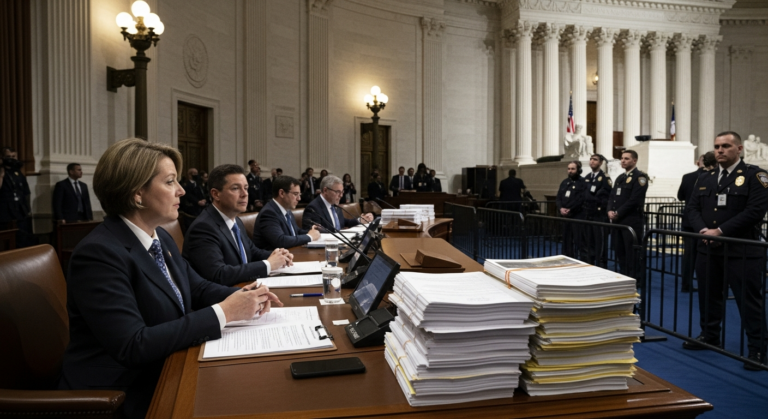
However, despite the optimism from international leaders, the agreement is not without its challenges. It must navigate through the complexities of the U.S. political landscape, where Congress and administration officials are currently reviewing various elements related to sanctions and the timing of implementation. This scrutiny is crucial, as the agreement could have far-reaching implications for energy prices, shipping routes, and military policy debates, all of which are critical to U.S. interests and global markets.
The G7 summit underscored the importance of safe shipping through the Strait of Hormuz, a vital corridor for global oil transport. The leaders emphasized that the agreement could help ensure the security of maritime routes, which are essential for the flow of energy resources worldwide. As discussions continue, officials and lawmakers are expected to debate whether the deal adequately addresses concerns related to war powers, sanctions, and national security.
The political process surrounding the agreement highlights the intricate balance between diplomacy and domestic policy. Lawmakers are weighing the potential benefits of improved relations with Iran against the risks associated with lifting sanctions and the broader implications for U.S. foreign policy in the Middle East. As Congress deliberates, the outcome will likely shape the future of U.S.-Iran relations and influence the geopolitical landscape in the region.
In Greenville, the implications of international agreements like this one can resonate locally, especially for industries reliant on stable energy prices and shipping routes. As the political discourse unfolds, local businesses and residents may find themselves affected by shifts in energy costs and economic conditions stemming from these international developments.