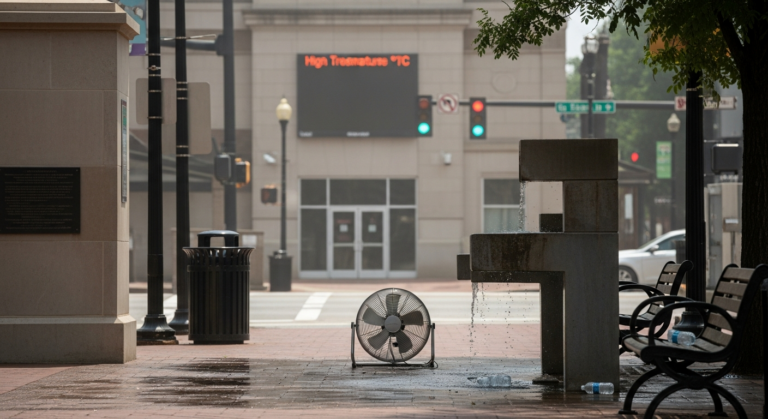
As the summer heat intensifies across the Upstate, health and safety organizations are recalibrating their guidance, shifting the focus from outdoor caution to proactive home-cooling measures and increased vigilance for at-risk individuals, particularly seniors. The emphasis is now on ensuring that residences are equipped to provide safe havens from extreme temperatures.
Public health advisories, drawing from expertise such as that provided by the Red Cross and Penn State Health, highlight the critical need for residents to identify and prepare cooler spaces within their homes before the peak of the heat arrives. This includes ensuring that cooling devices like fans and air conditioning units are in proper working order. Simple yet effective strategies such as closing window coverings to block direct sunlight are also being promoted as essential steps in maintaining a habitable indoor environment.
The guidance also stresses the importance of community support networks. Neighbors are urged to check on higher-risk individuals, including the elderly and those with chronic health conditions, who may be more susceptible to the adverse effects of extreme heat. This outreach can be as simple as a phone call or a brief visit to ascertain their well-being and ensure they have access to adequate cooling.
Medical professionals are reiterating the signs of heat-related illnesses, which can escalate rapidly. Symptoms such as confusion, unconsciousness, or signs of heat stroke necessitate immediate emergency medical attention. The advice is clear: if symptoms of heat exhaustion or heat stroke appear and do not improve with cooling measures, individuals should call emergency services without delay. The Red Cross outlines heat cramps and heat exhaustion as precursors to the more severe heat stroke, underscoring the need for prompt action at the first signs of distress.
While outdoor activities may need to be curtailed during periods of extreme heat, the focus on indoor preparedness aims to mitigate the health risks associated with high temperatures. Hydration remains a cornerstone of heat safety advice, with recommendations to drink plenty of fluids, even if not feeling thirsty. Cool cloths and showers are also suggested as immediate cooling steps.
The shift in messaging reflects a growing understanding of how heat impacts daily life, particularly within residential settings. Ensuring that homes can function as safe zones is paramount, especially for those who may have limited mobility or fewer resources to adapt to soaring temperatures. The collective effort to prepare homes and support vulnerable neighbors is seen as a critical component of public health strategy during the summer months in Greenville.
Why it matters in Greenville:
As summer temperatures continue to pose a significant health risk, the proactive measures recommended for home cooling and neighborly checks are particularly relevant for Greenville residents. Institutions like Prisma Health and Greenville County Schools, which serve a diverse population including many seniors, are indirectly impacted by the need for widespread awareness of heat safety. Ensuring that homes in neighborhoods such as Alta Vista and Overbrook Historic District are equipped with functioning cooling systems and that vulnerable individuals are checked upon by their neighbors can prevent heat-related emergencies from overwhelming local healthcare resources. This community-level preparedness is essential for maintaining public health and safety throughout the Upstate region.