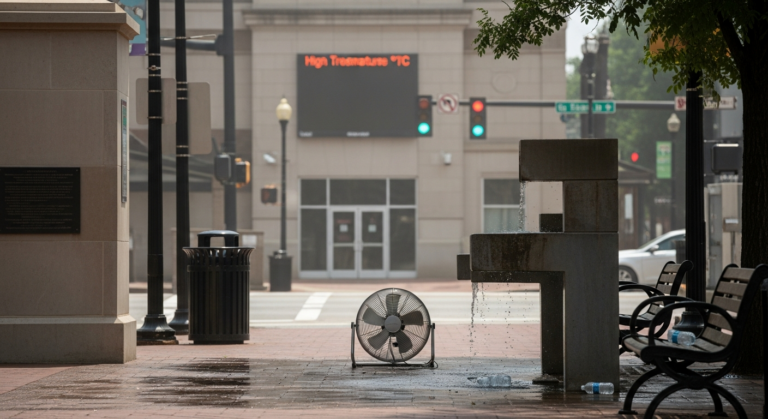
Three individuals died in separate incidents attributed to extreme heat within the Grand Canyon over the past week, according to reports from national news agencies. The fatalities underscore the perilous conditions hikers face in the canyon during the summer months when interior temperatures can reach dangerous levels.
During the period of the incidents, temperatures within the Grand Canyon’s inner canyon were reported to be consistently above 100 degrees Fahrenheit. In some shaded areas, temperatures approached 109 degrees Fahrenheit, creating a severe risk of heat-related illness for those traversing the trails. Park officials and emergency services had issued advisories urging visitors to take precautions, including avoiding strenuous activity during the hottest parts of the day and recognizing the early signs of heat exhaustion and heatstroke.
The specific circumstances of each death are under investigation. However, the pattern of fatalities during a period of intense heat highlights the challenges of managing visitor safety in such an extreme environment. The Grand Canyon’s unique topography, with its steep elevation changes and limited access to shade and water in many areas, exacerbates the effects of high ambient temperatures. Hikers descending into the canyon experience significantly hotter conditions than those at the rim, and the strenuous effort required to ascend can quickly overwhelm the body’s ability to regulate its temperature.
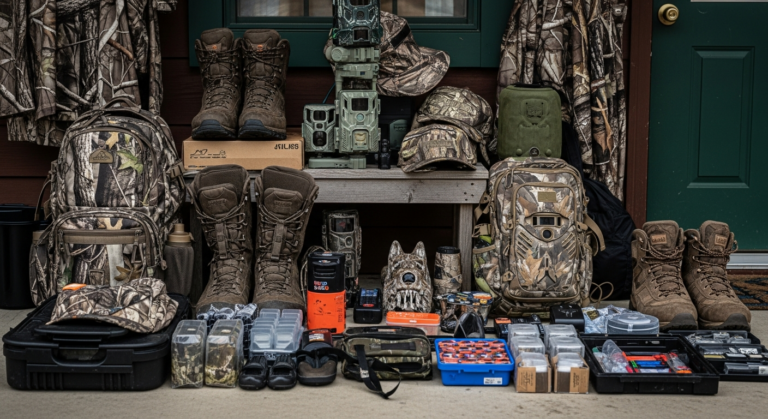
Authorities have repeatedly emphasized the importance of preparation for anyone planning a hike in the Grand Canyon. This includes carrying ample water – more than one gallon per person per day is often recommended – and electrolyte-replenishing foods. Proper footwear, sun protection, and knowledge of heat illness symptoms are also critical. Visitors are advised to check weather forecasts and current conditions before their trip and to be prepared to alter or cancel their plans if conditions are deemed too hazardous.
The incidents serve as a stark reminder of the inherent dangers associated with outdoor recreation in extreme climates. While the Grand Canyon remains a popular destination for its unparalleled natural beauty, its environment demands respect and careful planning from all who venture into it. The focus now shifts to understanding the contributing factors in these specific cases and reinforcing public safety messaging to prevent future tragedies.