

News Summary
Greenville’s cherished honey bee population is at risk due to the invasive yellow-legged hornet, which has arrived from Southeast Asia. Honey bees are essential for the ecosystem and economy, pollinating vital crops and plants. Local beekeepers and Clemson University are fighting back against this menace through conservation efforts and targeted actions to eliminate hornet nests. The community is urged to be vigilant and supportive to ensure the survival of these crucial pollinators.
Greenville’s Honey Bee Population Threatened by Invasive Hornet Species
In the charming city of Greenville, a silent crisis is unfolding that bees, birds, and nature enthusiasts alike won’t want to miss. Our beloved honey bee population is facing a serious threat from an unwelcome visitor, the yellow-legged hornet. This invasive species, having made its way from Southeast Asia, has started to cause a buzz – and not the good kind.
The Importance of Honey Bees
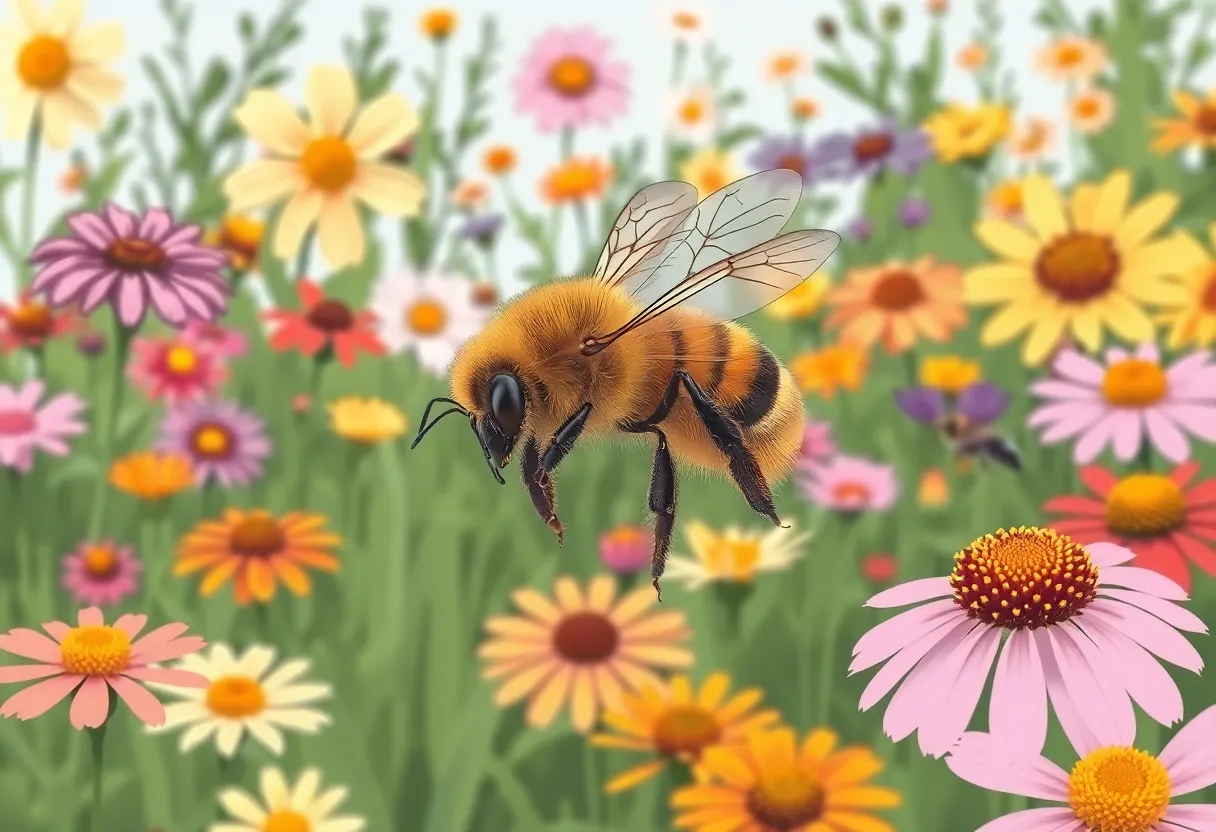
Honey bees play a crucial role in South Carolina’s ecosystem and economy. They are responsible for pollinating many of the fruit, vegetable, and seed crops that contribute millions to the state’s economy. And let’s not forget about those beautiful flowering plants and trees that light up our yards and fields, thanks to these tiny, hardworking pollinators. They’re a vital part of the web of life that makes our community vibrant and full of color.
The Threats Facing Our Bee Friends
Now, it’s not just the yellow-legged hornet causing alarm. Honey bees are facing various dangers, including a lack of available nutrition, pesky parasites, diseases, and harmful pesticides. Sadly, despite their essential role, honey bees are categorized as agricultural and currently escape regulatory oversight. This is a call to action for all of us to do our part in protecting these essential creatures.
How Local Beekeepers Are Responding
To help boost honey bee populations, local beekeepers are stepping up. Organizations provide valuable resources for anyone keen on supporting these pollinators. Beekeeping enthusiasts and newcomers are encouraged to learn more about honey bee conservation practices and the importance of helping them thrive.
Clemson University’s Search for the Yellow-Legged Hornet
In a noteworthy mission to safeguard our honey bees, Clemson University’s Department of Plant Industry is on a “search and destroy” mission targeting the invasive yellow-legged hornets. The concern arose when a Beaufort County resident shared alarming footage of these predatory hornets attacking his honey bees. Following this tip, DPI took swift action to find and eliminate hornet nests, revealing the first secondary nests discovered in South Carolina – a significant breakthrough!
What You Need to Know About the Yellow-Legged Hornet
The yellow-legged hornet, scientifically named Vespa velutina, isn’t just another stinging insect; it’s a predatory menace that preys on social bees, including our honey bees. First identified in France back in 2004, it has since spread across Western Europe, raising red flags for beekeepers who have reported significant colony losses. The worry is palpable that this invasive species could further threaten beekeeping operations in the United States.
These hornets are infamous for their impressive nests, often found in trees and capable of housing up to a whopping 6,000 workers at mature stages. They have a life cycle that allows them to maximize reproduction, with queens establishing multiple nests to ensure their dominance. From August to November, residents are urged to keep their eyes peeled for any signs of yellow-legged hornets.
How to Identify and Report Suspicious Hornets
Residents in the affected areas, especially those in the Lowcountry around Bluffton and Hilton Head Island, should be vigilant. Yellow-legged hornets can be easily confused with native insects like cicada killer wasps and bald-faced hornets. However, larger size is a key indicator that you’re dealing with a hornet. Should you spot one, it’s crucial to report it.
There will be inspectors wearing identifiable badges and branded clothing going door-to-door, looking for hornet nests and requesting access to check properties. Being friendly is part of their mission, as they aim to ensure the safety of our local bee populations.
Supporting Local Beekeeping Efforts
In response to this pressing issue, local beekeeping businesses, such as Bee Well Honey Farm & Bee Supply, advocate for honey bee conservation and educate the community on the importance of bees. They not only supply access to beekeeping equipment and classes but also produce raw, unfiltered wildflower honey from nearly three dozen hive fields across the Carolinas and Georgia.
The effort to educate the community about the crucial role honey bees play in our ecosystem shines a light on their importance and the urgency in safeguarding them from invasive threats.
Final Thoughts
So, what can you do? Stay informed, be alert, and support your local beekeepers in their fight against this invasive hornet. Together, we can help ensure that Greenville’s honey bee population continues to thrive and buzz for generations to come!
Deeper Dive: News & Info About This Topic
HERE Resources
Invasive Species Threaten South Carolina’s Wildlife and Ecosystems
Additional Resources
- Greenville Online: Yellow-Legged Hornets Nest Found
- D&D Daily: Honey Bees Can’t Fly Past Yazoo City
- Greenville Journal: The Bee’s Knees Honey Company
- ABC News 4: Savannah Bee Company Opens New Storefront
- Post Crescent: Buzz Greenville Beekeeping Shop Opens
- Wikipedia: Honey Bee
- Google Search: Bee Conservation
- Google Scholar: Honey Bees and Invasive Species
- Encyclopedia Britannica: Honeybee
- Google News: Honey Bee Population