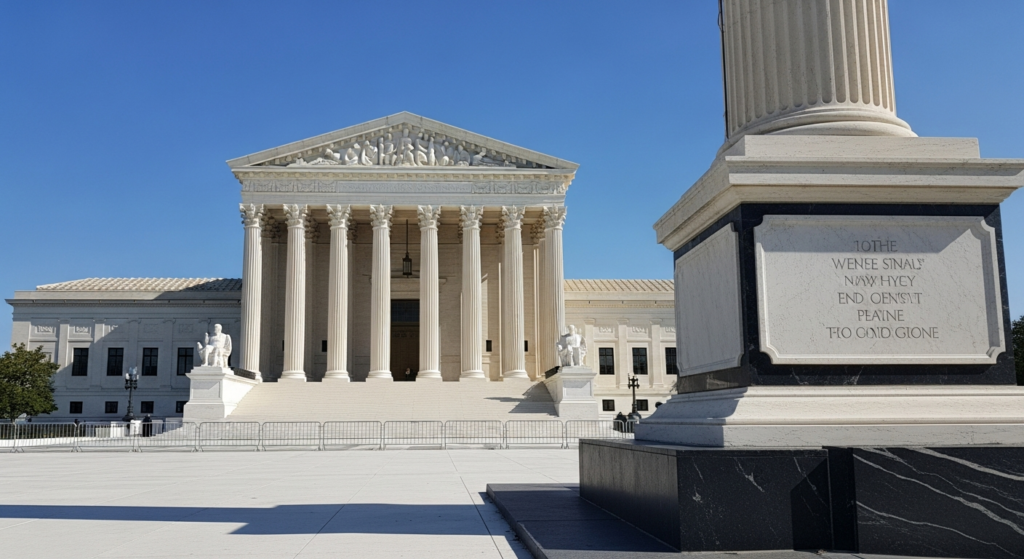
The Supreme Court is poised to tackle a series of high-profile cases in its next term, addressing contentious issues that could reshape legal landscapes across the United States, including in Greenville. The docket includes disputes concerning the legality of assault-style rifle restrictions, the parameters of voter-registration rules, questions surrounding LGBT-related religious rights, and the procedures for immigration detention.
These cases, which involve constitutional claims and federal-government litigation, are expected to draw significant attention as they work their way through the nation’s highest judicial body. While the specifics of each ruling remain to be seen, the Court’s decisions will have broad implications for federal and state laws, potentially influencing policies and practices at the local level.
One area of focus will be challenges to restrictions on assault-style rifles. Federal courts have seen numerous cases regarding Second Amendment rights and the scope of permissible gun control measures. A Supreme Court ruling could clarify the extent to which states and localities can regulate certain types of firearms, potentially affecting existing or future ordinances across the country.
Another set of cases will delve into voter-registration rules. These disputes often center on the balance between ensuring election integrity and facilitating access to the ballot box. Decisions from the Supreme Court on this front could influence how states, including South Carolina, manage their voter rolls and the processes by which citizens register to vote, impacting election administration within Greenville County.
The Court will also consider questions related to LGBT-related religious rights. These cases typically involve conflicts between anti-discrimination protections and claims of religious freedom, often arising in contexts such as employment, public accommodations, or services. The outcomes could set precedents for how businesses, organizations, and governmental entities navigate these complex issues, potentially affecting policies for employers and service providers in Greenville.
Finally, the docket includes cases concerning immigration detention procedures. These legal challenges often examine the rights of individuals held in federal custody and the government’s authority in immigration enforcement. While primarily a federal domain, rulings on these matters could impact the broader immigration system and potentially influence interactions between federal and local authorities.
### Why it matters in Greenville
The Supreme Court’s upcoming term will address foundational legal questions that, while national in scope, carry direct relevance for the daily lives and governance of Greenville. Decisions on voter-registration rules, for instance, could directly affect how elections are conducted by the Greenville County Government, influencing local electoral processes and citizen participation. Similarly, rulings on LGBT-related religious rights could impact employment policies at major local institutions like Prisma Health or Greenville County Schools, shaping workplace environments and community standards. Even federal gun policy decisions could indirectly influence local public safety discussions and the enforcement priorities of local law enforcement. These cases underscore how federal judicial pronouncements cascade through the legal system, ultimately touching upon the policies, rights, and responsibilities within the city of Greenville and its surrounding areas.