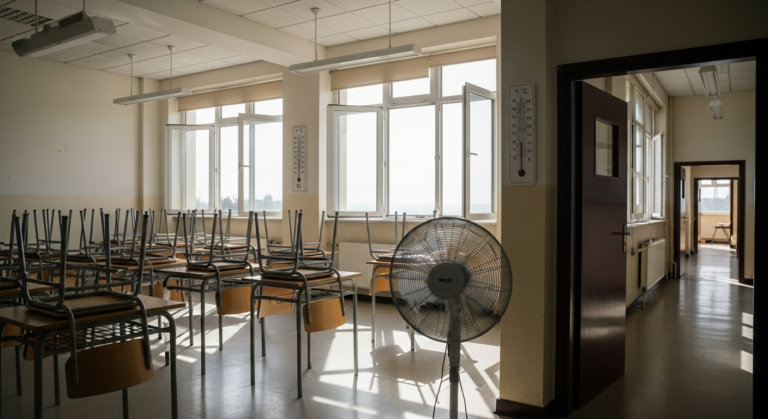
Across the nation, recent periods of intense heat have brought renewed attention to the critical role of adequate classroom cooling and ventilation in schools. These disruptions, ranging from altered schedules to uncomfortable learning conditions, underscore a broader challenge for educational infrastructure. In Greenville, where summer temperatures can be significant, the discussion around building readiness and air quality is particularly pertinent for the city’s diverse educational landscape.
For Greenville County Schools, the largest district in the Upstate region, ensuring a conducive learning environment for thousands of students across dozens of campuses is a continuous effort. Many school buildings, some dating back decades, were constructed in an era when climate control systems were less sophisticated or not designed for the sustained high temperatures now common during the school year. The effectiveness of existing HVAC systems, the integrity of building insulation, and the overall air circulation become paramount concerns when the mercury climbs. Maintaining comfortable temperatures is not merely about convenience; it directly impacts student concentration, academic performance, and overall well-being. Prolonged exposure to excessive heat can lead to fatigue, dehydration, and reduced cognitive function, making effective instruction and learning difficult.
Beyond cooling, the quality of ventilation systems has also emerged as a key focus. Proper ventilation ensures a steady exchange of indoor and outdoor air, mitigating the buildup of airborne contaminants and improving overall air quality. This aspect of building readiness has gained prominence in recent years, with experts emphasizing its importance for health and safety within crowded indoor spaces. For schools in Greenville, this means not only addressing the capacity of air conditioning units but also evaluating air filtration and circulation mechanisms to create healthier environments for students and staff alike.
The challenges extend beyond K-12 institutions to Greenville’s higher education sector. Universities and colleges such as Furman University, Bob Jones University, North Greenville University, and Greenville Technical College operate extensive campuses with a variety of buildings, including dormitories, lecture halls, laboratories, and administrative offices. Each of these facilities requires robust and reliable climate control systems to support academic activities, research, and residential life. The financial investment required to upgrade and maintain these complex systems can be substantial, often necessitating long-term planning and significant capital expenditures.
Clemson University, a prominent institution in the broader Upstate region, also faces similar infrastructure considerations. The scale of these university campuses means that a comprehensive approach to climate control and ventilation must account for diverse building types, varying usage patterns, and the need for energy efficiency. As summer sessions continue and preparations for the fall semester are underway, these institutions are tasked with ensuring their facilities can withstand environmental stressors while providing optimal conditions for their communities.
School districts and higher education institutions in Greenville are continually assessing their infrastructure needs. This includes preventative maintenance schedules for HVAC systems, exploring energy-efficient upgrades, and evaluating the feasibility of incorporating newer technologies designed to improve indoor air quality. The goal is to create resilient learning environments that can adapt to changing climatic conditions and support the health and academic success of all students.
### Why it matters in Greenville
The ongoing national discussion about school infrastructure and heat-related disruptions holds direct relevance for Greenville. For Greenville County Schools, the region’s largest educational employer, ensuring that its numerous facilities are equipped to handle sustained periods of high summer temperatures is fundamental to student welfare and academic continuity. The ability of these schools to provide cool, well-ventilated classrooms directly impacts the daily lives of thousands of families and the productivity of the local workforce, including employees of major employers like Prisma Health and BMW Manufacturing Co. Proactive investment in and maintenance of school building systems are essential for the city’s educational stability and the well-being of its future generations, reinforcing Greenville’s commitment to a high quality of life and education. The readiness of these institutions to adapt to environmental challenges will shape the learning experiences of students for years to come.