As summer progresses in Greenville, gardeners face the perennial challenge of maintaining vibrant landscapes amidst rising temperatures and persistent humidity. The intense heat of July necessitates a strategic approach to plant care, with particular emphasis on watering timing and recognizing signs of plant stress. Effective management during this period can mean the difference between a flourishing garden and one struggling against the elements.
One of the most critical aspects of summer gardening in Greenville is the precise timing of irrigation. Experts consistently advise watering plants in the early morning hours, typically between 5 a.m. and 9 a.m. This window allows the water to penetrate the soil deeply before the intense midday sun causes significant evaporation. Watering in the morning also gives plant foliage ample time to dry, which is crucial for preventing the development and spread of fungal diseases that thrive in warm, moist conditions. Conversely, watering during the hottest parts of the day leads to substantial water loss through evaporation, making the effort less efficient and potentially leaving plants thirsty.
Evening watering, while seemingly beneficial, can also pose risks. When plants remain wet overnight, especially in Greenville’s humid climate, they become more susceptible to various pathogens. The lack of sunlight and air circulation during nighttime hours creates an ideal environment for fungi and other diseases to take hold, potentially compromising plant health. Therefore, prioritizing early morning watering helps maximize absorption and minimize disease risk.
Beyond timing, the method of watering is equally important. Deep, infrequent watering is generally more effective than shallow, frequent applications. Delivering water slowly and directly to the root zone encourages plants to develop deeper, more robust root systems. These deeper roots make plants more resilient to drought and heat stress, as they can access moisture from lower soil profiles. Shallow watering, by contrast, promotes superficial root growth, leaving plants vulnerable to drying out quickly during heatwaves. Gardeners in the Upstate region, where soil compositions can vary but often include clay, should monitor how quickly water penetrates to ensure it reaches the roots rather than running off.
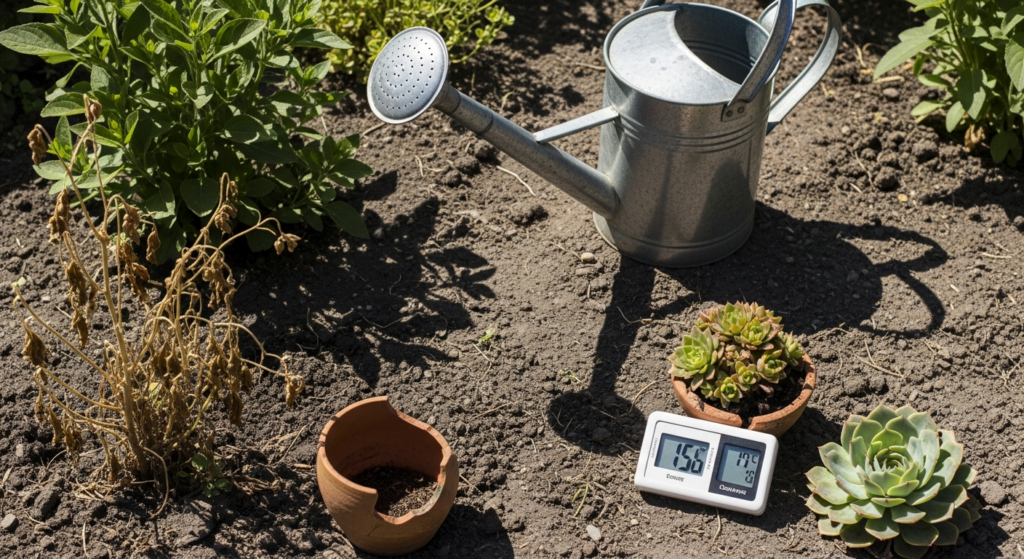
Understanding and addressing plant stress is another cornerstone of successful summer gardening. Plants exhibit various symptoms when under duress from heat and insufficient water. Common indicators include wilting leaves, which may droop or curl inward as the plant attempts to conserve moisture. Leaves might also show discoloration, turning yellow or brown, particularly along the edges, a condition known as ‘scorch.’ Stunted growth, a reduction in flowering or fruiting, and premature leaf drop are also clear signals that a plant is struggling.
Several factors contribute to plant stress during summer. High temperatures directly impact plant physiology, increasing transpiration rates and demanding more water than roots can supply. Inadequate watering, as discussed, is a primary culprit. However, nutrient deficiencies, exacerbated by stress, and increased pest pressure can also weaken plants. Mitigating these stressors involves several practices. Applying a layer of organic mulch around plants helps insulate the soil, keeping roots cooler and significantly reducing water evaporation. Mulch also suppresses weeds, which compete with cultivated plants for precious water and nutrients. For particularly sensitive plants or newly established ones, temporary shade cloths can provide crucial protection from the most intense midday sun.
July also brings a specific set of outdoor care tasks that require attention in Greenville. Weeding remains a critical activity, as weeds are aggressive competitors for water and nutrients, especially when resources are scarce. Regular weeding helps ensure that the water and fertilizer provided benefit the desired plants. Pest and disease management often sees increased activity during the warmer months. Gardeners should regularly inspect plants for signs of pests or disease and address issues promptly, often favoring integrated pest management (IPM) strategies that prioritize non-chemical controls.
Fertilizing should be approached with caution during peak summer heat. Applying too much fertilizer can stimulate new, tender growth that is highly susceptible to heat stress. If fertilization is necessary, it should be done sparingly and with a balanced, slow-release product. Pruning should also be minimal, focusing primarily on deadheading spent flowers to encourage continuous blooming and removing any dead or diseased branches. Heavy pruning can stress plants further during hot periods. For those cultivating vegetables, timely harvesting of summer crops like tomatoes, peppers, and beans is essential to encourage further production.
Container gardens, popular in many Greenville homes and businesses, require even more vigilant care during the summer. Plants in pots dry out much faster than those in the ground due to increased exposure to air and sun. They often need daily, sometimes twice-daily, watering. Using larger pots, choosing heat-tolerant varieties, and incorporating water-retaining crystals or self-watering systems can help manage their needs.
Why it matters in Greenville
The diligent application of these gardening strategies holds significant importance for the community of Greenville. Well-maintained gardens and green spaces contribute to the aesthetic appeal and property values of neighborhoods such as Alta Vista and North Main, enhancing the overall quality of life. Beyond individual plots, the health of public green spaces and community gardens, potentially supported by initiatives from the Greenville County Government, relies on these same principles of water conservation and plant care. Furthermore, a thriving local ecosystem, including the vital Reedy River watershed, benefits from responsible horticultural practices that reduce runoff and promote healthy plant life, underscoring the interconnectedness of individual efforts and broader environmental well-being in Greenville.