

News Summary
South Carolina will begin allowing lottery retailers to accept debit cards for ticket purchases starting July 1. This change, aimed at modernizing transactions, is expected to generate an extra $15 million for educational funding. As cash transactions become less favored, especially among younger consumers, this move could attract approximately 430,000 new lottery players. While some retailers voice concerns over transaction fees, the lottery aims to adapt to evolving payment methods while continuing its significant contributions to education in the state.
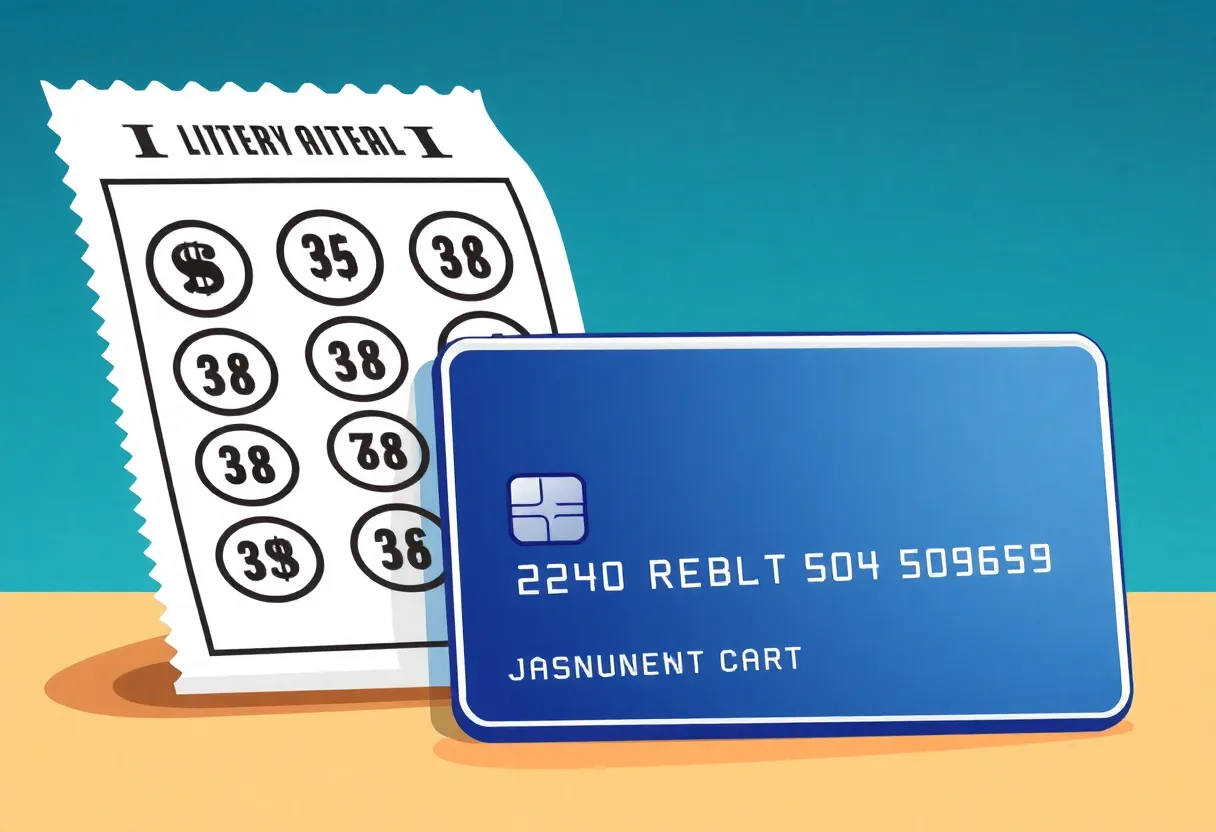
South Carolina is set to permit lottery retailers to accept debit cards for ticket purchases starting July 1, 2023. This decision marks a significant shift for the South Carolina Education Lottery, which has operated solely on cash transactions since its inception in 2002. The introduction of debit card payments is expected to generate an additional $15 million in proceeds, addressing fiscal concerns regarding educational funding amidst rising operational challenges.
The South Carolina Lottery Commission’s move aligns with changing consumer habits and preferences, particularly among younger generations who are increasingly inclined toward cashless transactions. Currently, around 11% of potential lottery players have indicated they would be more likely to participate if they could use debit cards. This influx could potentially bring approximately 430,000 new players into the lottery system.
Despite the anticipated benefits, many lottery retailers express apprehension concerning transaction fees associated with debit card payments. Some retailers may impose minimum purchase amounts to offset these costs. While debit card transactions will be accepted, the use of credit cards will still be prohibited, maintaining a level of traditional payment methods within the lottery framework.
The implications of this change extend beyond mere convenience. The South Carolina Lottery generates approximately $2.3 billion annually, with around $500 million allocated for college scholarships. However, the lottery has faced recent fiscal challenges, including a projected drop in revenues due to external factors such as COVID-19, altering ticket sale dynamics. Projections indicate potential revenues may decline by the 2027-2028 budget year, emphasizing the need for adaptations to secure funding for educational initiatives.
As the lottery navigates this transition, stakeholders are keenly observing how the shift to accepting debit cards could support new education funding opportunities fueled by lottery proceeds. The measure is a response to evolving consumer preferences and societal trends, particularly in a region where cash still plays a vital role in local transactions.
This shift in payment policy occurs against a backdrop of broader societal discussions regarding cash acceptance. In South Carolina, businesses are not legally obligated to accept cash payments, as federal law states that coins and currency remain legal tender for debts, yet businesses can set their own cash acceptance policies unless state legislation stipulates otherwise. While no statewide law mandates cash acceptance, House Bill 3694 was introduced in 2023, seeking to require businesses to accept cash to prevent discrimination against individuals who lack credit access. The bill, however, did not progress past January 2023.
Recent data from a Pew Research Center report reveals that lower-income Americans are significantly more reliant on cash for transactions compared to their more affluent counterparts. Specifically, 30% of individuals earning below $30,000 a year rely on cash for nearly all their purchases, highlighting the need for inclusivity in payment options. Despite the growing preference for cashless options, local counties in South Carolina currently lack ordinances mandating cash acceptance, although cash-only businesses still exist. The Myrtle Beach Area Chamber of Commerce has emphasized that market demand will likely drive how businesses choose to implement cash acceptance policies moving forward.
In summary, as South Carolina embarks on this shift to cashless lottery transactions, the decision reflects a larger trend toward accommodating consumer preferences while addressing fiscal sustainability for education-related funding. The lottery’s adaptation is not just about convenience; it’s a strategic response to maintain relevance and ensure the continued support of educational initiatives in the state.
Deeper Dive: News & Info About This Topic
- Myrtle Beach Online
- WYFF 4
- SC Daily Gazette
- Boston Herald
- WCNC
- Wikipedia: Cashless Payment
- Google Search: South Carolina Lottery
- Google Scholar: Lottery Payments
- Encyclopedia Britannica: Lottery
- Google News: South Carolina Debit Card Lottery