

News Summary
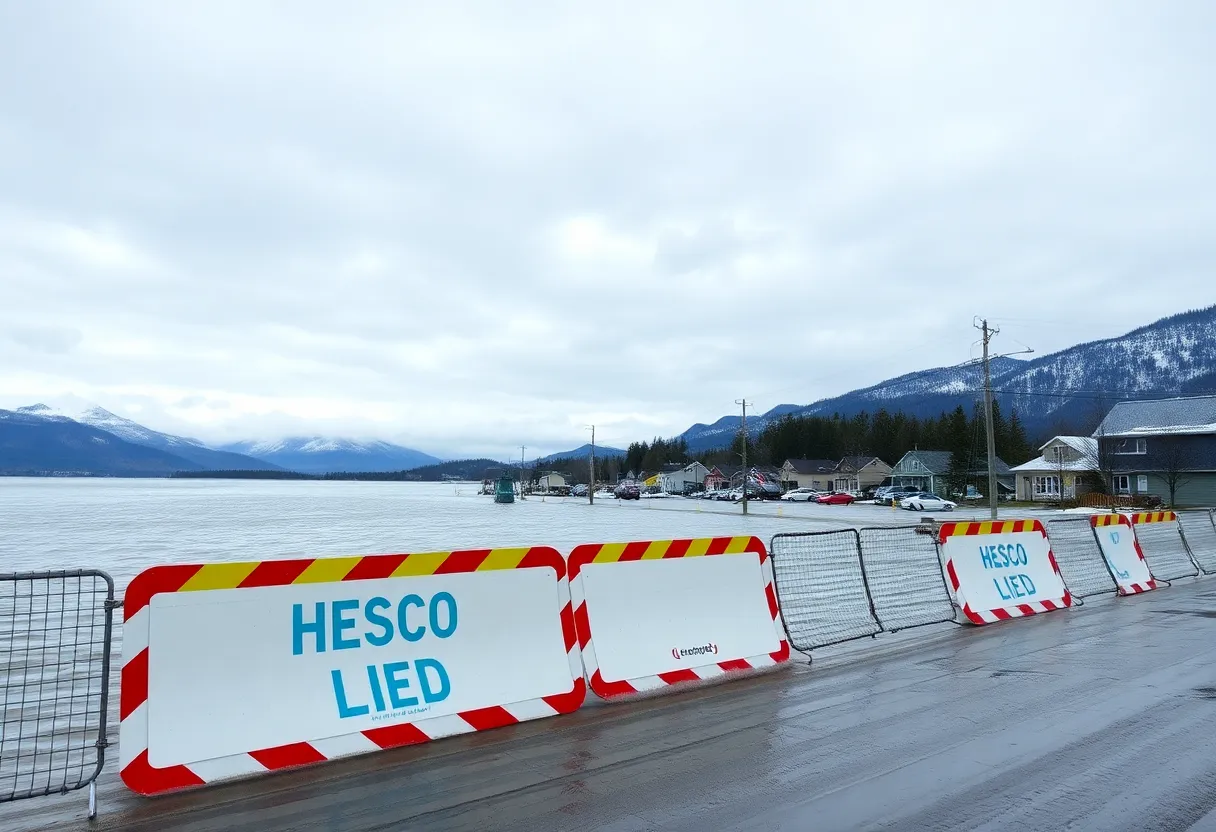
Juneau, Alaska, faced significant flooding due to a glacial outburst from the Mendenhall Glacier, marking the third consecutive year of threats. On August 13, peak river flows reached alarming levels, prompting Governor Mike Dunleavy to declare a disaster. Emergency Hesco barriers were successfully deployed around the city, minimizing damage and protecting homes. Despite proactive measures, some properties sustained damage, highlighting ongoing concerns about flooding risks stemming from climate change and melting glaciers.
Record Floodwaters in Juneau, Alaska Averted by Emergency Barriers Amid Ongoing Climate Crisis
Juneau, Alaska, has recently been in the spotlight due to significant flooding caused by a glacial outburst from the Mendenhall Glacier. This glacier released a surge of water into the Mendenhall River, marking the third consecutive year of substantial flooding threats for the city and its more than 30,000 residents. On August 13, 2023, the National Weather Service issued a warning that areas within Juneau would remain in a major flood stage for several more hours.
Scientists attribute the increased frequency and severity of these flooding events to the changing climate, pointing out that Alaska is warming faster than any other state in the U.S. The Mendenhall Glacier is known for being one of the fastest retreating glaciers, and as it melts, it acts as a dam for meltwater accumulating in a basin called Suicide Basin. As temperatures continue to rise, the glacier is unable to contain the water, leading to significant outburst floods that empty into Mendenhall Lake and the Mendenhall River.
On the morning of August 13, the Mendenhall River peaked at a record high of 16.65 feet, surpassing previous records set earlier in 2023 and 2024. Floodwaters reached peak river flows of around 42,000 cubic feet per second, having significant effects on residential areas during past events. In light of such alarming statistics, Governor Mike Dunleavy took action and issued a preemptive disaster declaration on August 10, anticipating the possibility of more glacial outburst floods that have caused destruction in previous years.
Thanks to emergency flood barriers installed around the city, the damage was kept to a minimum this time. Approximately 10,000 Hesco barriers were deployed, designed specifically to protect vital areas from the onslaught of flooding. Local officials noted the success of these barriers in alleviating the potential devastation that could have ensued, which would have affected hundreds of homes.
While the community prepared for the worst, water began escaping from the ice dam on August 12, prompting strong evacuation efforts ahead of the anticipated peak water levels. In earlier floods in 2023 and 2024, nearly 300 homes were inundated, intensifying worries about similar scenarios in the future. The National Oceanic and Atmospheric Administration (NOAA) has indicated that Alaska’s glaciers are among the fastest-melting on Earth, exacerbating flooding risks at a troubling pace.
In response to past flooding concerns, Juneau had previously installed over 37,800 feet of Hesco barriers to bolster community safety initiatives. Local authorities urged residents in affected areas to evacuate before flood peaks to ensure their safety, and many took heed of this advice. Unfortunately, while minimal flooding occurred during the most recent event, some properties did sustain damage, and worries about infrastructure lingered as the water levels began to stabilize throughout the day.
Officials advised the public against driving through standing water, as this can cause further damage and complicate recovery efforts. The Mendenhall Glacier, situated about 12 miles from downtown Juneau, is a popular tourist destination and has been receding at a staggering rate of 100-150 feet per year.
The trend of glacial outburst flooding has intensified since 2011, raising crucial awareness about the ongoing impact of climate change on glacial systems. As Juneau city officials planned to assess the damage from the recent flooding while keeping a close eye on water levels for future risks, the community remains resilient and ever-attentive to the challenges posed by their changing environment.
FAQs
What caused the flooding in Juneau, Alaska?
The flooding was primarily caused by a glacial outburst from the Mendenhall Glacier, releasing a surge of water into the Mendenhall River.
How have climate change and glacier melting affected flooding in Juneau?
Scientists suggest that climate change has increased the frequency and severity of flooding events, with Alaska warming faster than any other state in the U.S., leading to more significant glacial melting.
What measures were taken to mitigate the flooding impact?
About 10,000 Hesco barriers were deployed around vulnerable areas in Juneau to help protect homes and infrastructure from floodwaters.
What are the potential risks of glacial outburst flooding in Juneau?
Since 2011, glacial outburst flooding has significantly increased, posing risks to residential areas, infrastructure, and local ecosystems.
How has the community reacted to the flooding situation?
The community has been proactive, with strong evacuation efforts and local authorities urging residents in vulnerable areas to evacuate before peak flood levels arrived.
Key Features of Flooding in Juneau
| Feature | Details |
|---|---|
| Record Flood Height | 16.65 feet |
| Peak River Flow | 42,000 cubic feet per second |
| Hesco Barriers Deployed | 10,000 |
| Impact on Homes | Minimal flooding, some property damage |
| Glacier Retraction Rate | 100-150 feet per year |
| Previous Flooding Events | 2023 and 2024, with nearly 300 homes affected |
Deeper Dive: News & Info About This Topic
- BBC News
- Wikipedia: Glacier
- The Guardian
- Google Search: Juneau Alaska glacier flood
- The New York Times
- Encyclopedia Britannica: Climate Change
- CNN
- Google News: Climate Change Alaska
- CBS News
- Google Scholar: Alaska glacial outburst flood