

News Summary
South Carolina’s Department of Public Health warns of declining immunization rates as measles cases increase, urging families to prioritize vaccinations.
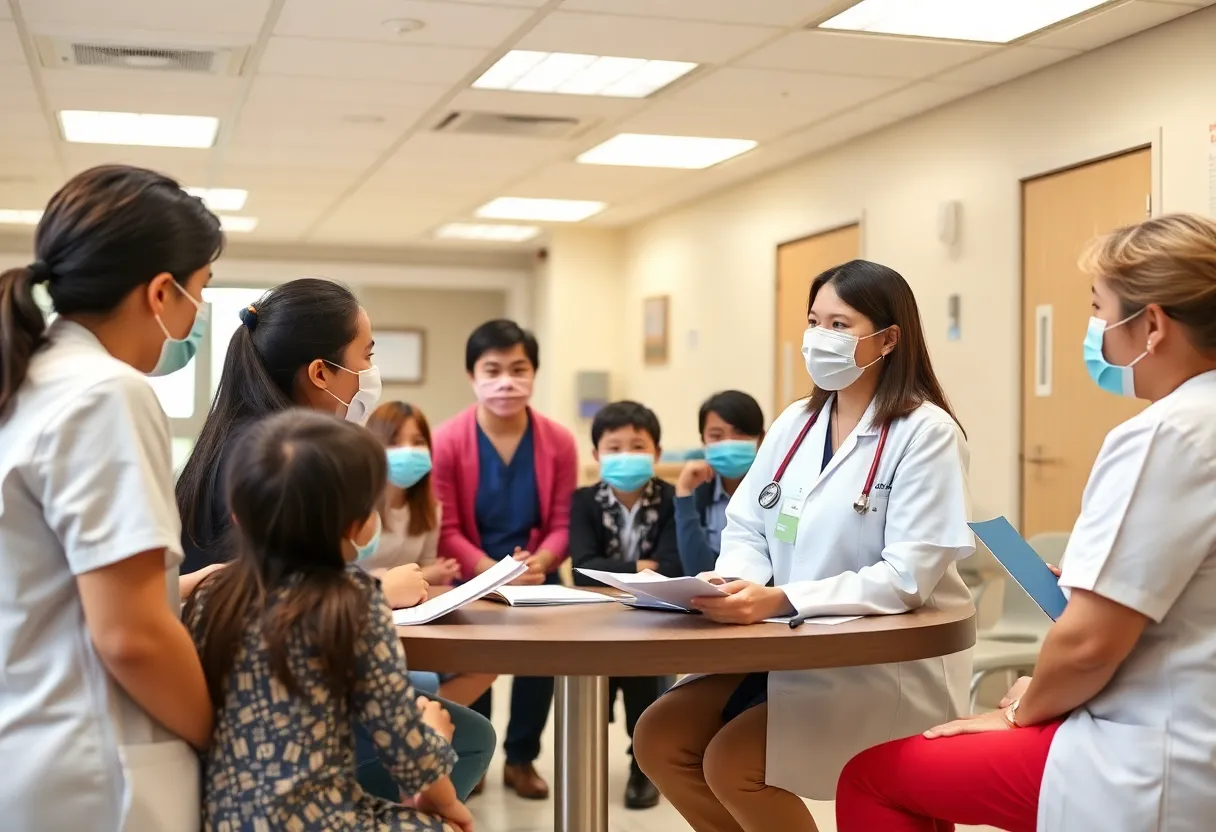
Greenville, South Carolina – South Carolina’s Department of Public Health (SCDPH) has issued an urgent warning regarding the state’s declining immunization rates, coinciding with a rise in measles cases. This announcement comes as the new school year approaches, where vaccination rates have decreased to record lows. A joint press conference was held at Prisma Health Children’s Hospital, during which SCDPH officials emphasized the necessity of vaccinations to safeguard public health.
Data reveals that South Carolina’s immunization rate fell from 95.9% during the 2020-21 school year to 93.5% in the current school year. These figures represent a troubling trend that is echoed nationwide. The month of August is recognized as National Immunization Awareness Month, further highlighting the importance of vaccination as families prepare for the upcoming school year.
According to health officials, immunizations are critical to preventing serious diseases, with recent statistics underscoring the urgency of vaccinations in light of rising infections. Notably, Texas has recently concluded an extensive measles outbreak that affected 762 individuals, with two unvaccinated children succumbing to the disease and another 99 hospitalized. Such outbreaks serve as a reminder of the potential consequences of declining vaccination rates.
Dr. Edward Simmer, acting Interim Director of the SCDPH, expressed concern that South Carolina could see similar outbreaks if immunization levels remain inadequate. Since measles was declared eradicated in the U.S. in 2000, there have been 1,356 confirmed cases and 32 outbreaks reported in 2025 alone, the highest figures since 1992. These increases are often attributed to vaccine hesitancy and the spread of misinformation surrounding vaccinations.
Public health officials stress that the measles vaccine is safe and effective, providing lifetime protection to about 97% of vaccinated individuals. Nevertheless, fears stemming from erroneous claims linking vaccines to autism have contributed to declining vaccination rates, with several studies confirming the safety of vaccines.
Areas in South Carolina, particularly the Upstate region, have shown noteworthy trends regarding vaccine exemptions. Counties such as Spartanburg, Abbeville, Greenville, Oconee, and Pickens exhibit high numbers of religious vaccine exemptions. Although less than 10% of students statewide utilize these exemptions, this figure has risen from 2018 to 2023, indicating growing pockets of vaccine skepticism.
Dr. Simmer highlighted the significant risk of measles re-emerging as travel-related cases intersect with unvaccinated populations. South Carolina has traditionally reported very few measles cases annually, but such trends may be jeopardized if current vaccination rates persist.
This year, the first measles case in South Carolina involved an unvaccinated resident who had recently traveled internationally, further illustrating the risks posed by lower immunization rates. Public health officials are particularly concerned about the potential spread of not only measles but other preventable diseases in light of declining vaccination compliance.
Vaccination skepticism has also taken on a more partisan tone since the onset of the COVID-19 pandemic, with surveys indicating that individuals affiliated with the Republican party exhibit higher levels of skepticism toward vaccines compared to their Democratic counterparts. The disparities in public perception pose significant challenges for health advocates seeking to increase vaccination rates.
In response to these concerns, the SCDPH encourages families to have open discussions with their healthcare providers regarding any questions or doubts about vaccines. Public health officials remain steadfast in advising that immunizations are not only personal health choices but also crucial actions for community safety.
Deeper Dive: News & Info About This Topic
HERE Resources
Spike in Whooping Cough Cases in South Carolina
First Measles Case Reported in South Carolina
Greenville County Passes New Animal Control Ordinance
Health Secretary Kennedy Restructures Vaccine Advisory Panel
CDC Updates Immunization Schedule for Children
South Carolina Faces Surge in Flu Cases
Texas Faces Largest Measles Outbreak in Nearly 30 Years
Additional Resources
- NY1: South Carolina Immunization Rates at Record Low
- Greenville Journal: Public Health Risks as Vaccination Rates Decline
- The State: South Carolina Vaccine Schedule Changes
- WYFF4: Upstate Children Sick with Meningitis
- Greenville Online: Measles Vaccine Information from SC Officials
- Wikipedia: Vaccination
- Google Search: Immunization Rates
- Google Scholar: Measles Outbreak
- Encyclopedia Britannica: Vaccines
- Google News: Vaccination