

Greenville, August 29, 2025
News Summary
Greenville has reopened Mayberry Park, a historic gathering place for Black communities during segregation. The $3.2 million renovation includes new facilities and honors the park’s legacy. The grand ceremony celebrated community unity, with remarks from leaders and emotional reflections from attendees, emphasizing the park’s significance in fostering connections.
Greenville Reopens Mayberry Park, A Historical Site for Community and Unity
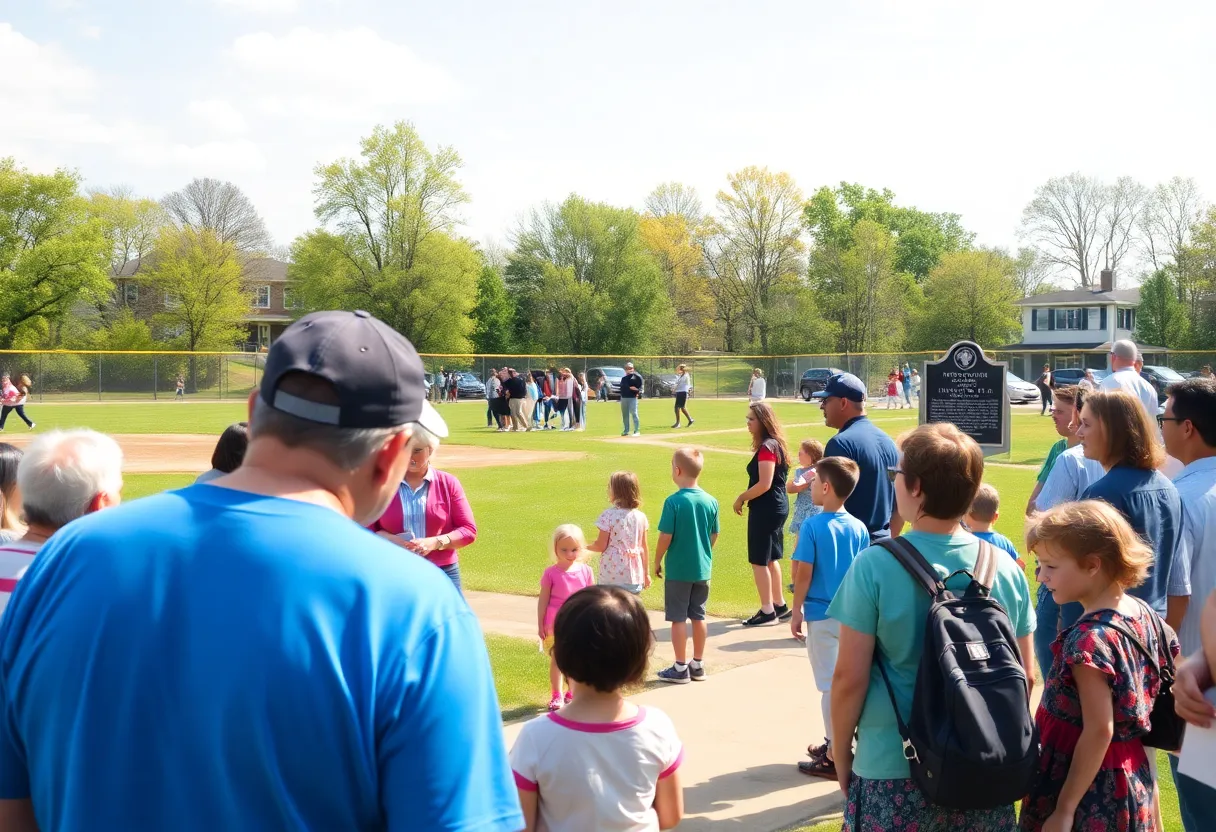
Greenville has officially reopened Mayberry Park, a historic recreational area that served as a vital gathering place for Black communities during segregation. The grand reopening ceremony occurred on Thursday, prominently situated in the heart of nearby Unity Park. This significant event attracted a diverse crowd, including elected officials, city leaders, Little League players, and families with historical connections to the park.
The reopening comes after a substantial renovation project that cost over $3.2 million and lasted six months. Attendees celebrated not only the physical improvements but also the park’s legacy of fostering community and unity. The revitalized park now boasts a new ball field, batting cages, grandstand bleachers, concession stands, a scoreboard, and prominent historical plaques to honor its rich heritage.
Among the attendees was John Whiteside, a former captain of the Sterling High baseball team, who shared reflections on his early experiences at the park, dating back 66 years. Whiteside recalled the sense of community and familial bonding around the game of baseball, a sentiment echoed by other former players who attended the celebration. Alonzo McGreer and J.C. Starkes, fellow graduates of Sterling High School, remembered the park as a vibrant hub bustling with activity, especially during their youth.
A profound recounting of the park’s influence came from Peggy Dillard, the daughter of Mary Dillard. She highlighted how her mother turned the park into a welcoming space where individuals could learn important life skills and historical narratives. According to Dillard, the park was much more than a recreational area; it was a place that felt like home, fostering connections and community spirit.
Historical Significance and Community Efforts
Established in 1925, Mayberry Park was one of the few safe spaces for predominantly Black communities in Greenville, including many from southern and western regions. Over the years, the park became uniquely significant as it was maintained by the community, contrasting with nearby parks that received more regular external care. McGreer recalled the effort they put into maintaining makeshift ball fields, from clearing debris to marking bases, illustrating the dedication and resilience of the community despite decades of neglect and environmental challenges.
Whiteside, who has faced personal health struggles, drew parallels between his journey and that of the park, emphasizing the broader narrative of resilience and perseverance within the community. The extensive renovations significantly restore both the physical structure and the spirit of Mayberry Park, aiming to make it inclusive for future generations.
Funding and Community Impact
The transformation of Mayberry Park was made possible through a collaborative public-private partnership. Lead donations from Craig Brown, owner of the Greenville Drive, along with his wife, played a pivotal role in funding the improvements. The new facilities are set to serve city recreational baseball programs and the Greenville Little League, ensuring that sports and community gatherings can continue to thrive.
During the opening ceremony, remarks were made by Mayor Knox White, various council members, and community leaders, emphasizing the importance of the park’s inclusivity and its potential to unite individuals across generations. The event culminated in a ceremonial first pitch thrown by former Sterling High players and the grandchildren of Craig Brown.
Overall, Mayberry Park’s reopening is a testament to the community’s spirit and its commitment to providing spaces where everyone can come together, share experiences, and build friendships.
FAQ
What is Mayberry Park?
Mayberry Park is a historic recreational park in Greenville that served as a gathering space for Black communities during segregation, established in 1925.
What renovations were made to Mayberry Park?
Renovations included a new ball field, batting cages, grandstand bleachers, concession stands, a scoreboard, and historical plaques.
Who funded the park’s renovations?
The renovations were funded through a public-private partnership, with significant contributions from Craig Brown, owner of the Greenville Drive, and his wife.
How will the park be utilized after reopening?
The updated park will be utilized by city recreational baseball programs and the Greenville Little League.
Key Features of Mayberry Park
| Feature | Description |
|---|---|
| Established Year | 1925 |
| Renovation Cost | $3.2 million |
| Renovation Duration | 6 months |
| New Facilities | Ball field, batting cages, grandstand bleachers, concession stands, scoreboard, and historical plaques |
| Funding Source | Public-private partnership, with lead donations from Craig Brown |
| Utilization | City recreational baseball programs and Greenville Little League |
Deeper Dive: News & Info About This Topic
HERE Resources
Additional Resources