

News Summary
Recent immigration raids in California’s agricultural sector have created significant challenges for migrant farmworkers, upsetting food production and disrupting supply chains. As federal enforcement actions increase, fears of deportation are causing many workers to skip work, further exacerbating labor shortages. Farmers express concern over the potential implications for food security, while community advocates push for policy changes to protect these vital workers. The situation is unfolding into a pressing human rights issue, casting a shadow over the agricultural landscape.
Immigration Raids Disrupt California’s Agricultural Workforce Amid Trump Administration Crackdown
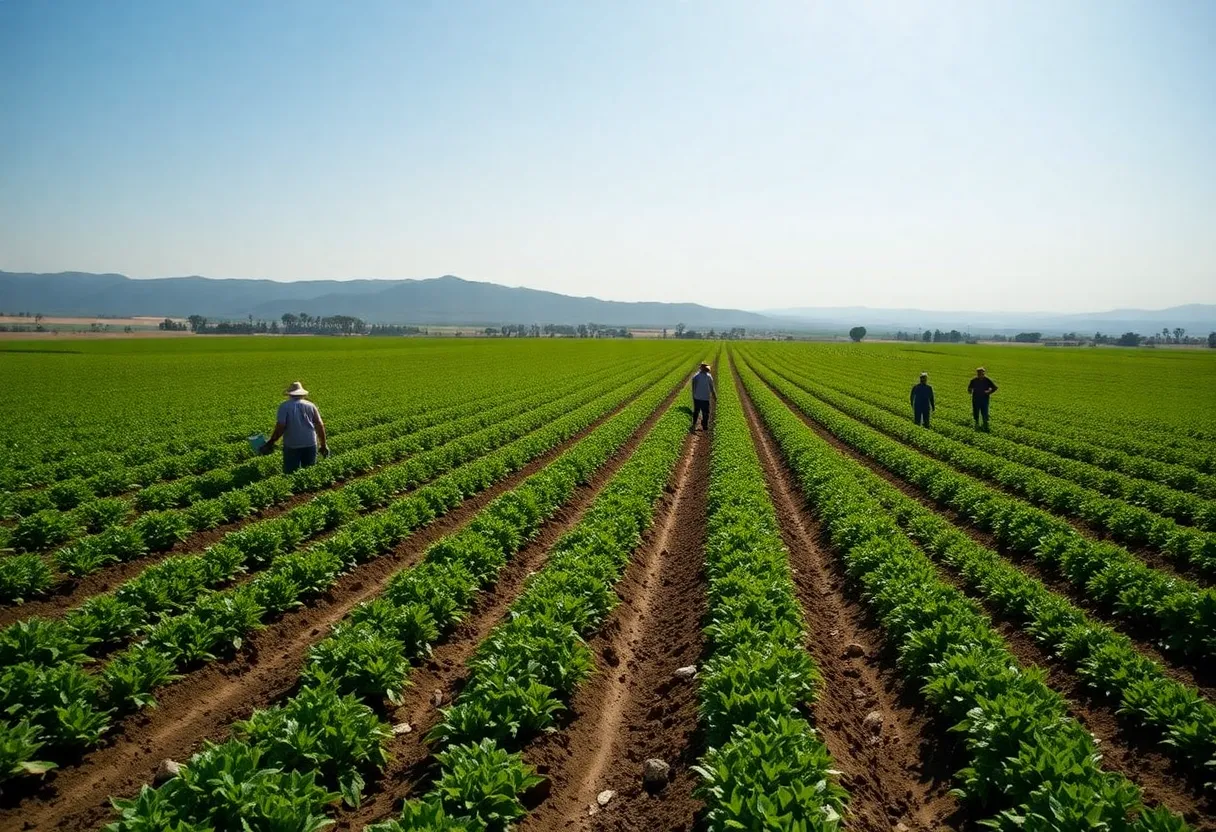
In the heart of California’s agricultural landscape, **migrant farmworkers** are feeling the heat—**literally and figuratively**. Recent immigration raids have created unforeseen challenges for these essential workers, making their already tough jobs even tougher. As federal policies under the Trump administration take a harder stance on immigration, the repercussions are rippling through the fertile fields of California, affecting food production in the state.
Just last month, on July 10, federal immigration agents carried out dramatic raids in places like **Camarillo**, where confrontations escalated with **protesters** drawn to defend the rights of undocumented workers. Reports surfaced of agents using **tear gas** against peaceful demonstrators, underlining the tension surrounding these actions. Community response has been **intense**, as advocates rally for change in the face of fear and uncertainty.
Year after year, immigrants have formed the backbone of California’s agricultural sector, with about **45% of workers** in farming, fishing, and forestry coming from outside the U.S. But with over **1.2 million immigrants** leaving the U.S. labor force between January and July 2025, according to the Pew Research Center, the fear of deportation is leading many workers to skip work, leaving crops unharvested.
The Human Cost of Raids
The emotional toll on the farming community cannot be overstated. Take Lidia, a **migrant worker** who has spent over 23 years in the U.S. She voices the anxiety that grips many in her community: if she gets caught, what will happen to her family? These sentiments resonate among farmworkers who witness the consequences of these raids up close.
Farmers are also feeling the pinch. **Community advocates** estimate that recently, at least **35 farmworkers** have been arrested in Ventura County alone. Such numbers point to a broader issue—**the struggle to find qualified labor**, forcing many farmers to deal with unharvested crops and **disrupted supply chains**. While reports of widespread disruption might seem limited, uncertainty looms large in every corner of the agricultural community.
Impact on Agriculture
California plays a crucial role in America’s food supply, contributing a significant share of fruits and vegetables to the nation. However, as enforcement actions ramp up, agricultural leaders are speaking out. They have expressed serious concerns about how tighter immigration policies are affecting their labor supply. The **California Farm Bureau** has echoed these sentiments, noting that while there hasn’t been a comprehensive disruption, there are valid fears regarding labor shortages which could threaten food security.
At the same time, some officials have suggested that **Medicaid recipients** could fill the labor gap left by farmworkers, a proposition critics argue is unrealistic. Nonetheless, activists are responding with action, initiating petitions advocating for the **legalization of essential workers** in agriculture, aiming to safeguard the very individuals who keep food on our tables.
As this entire scenario unfolds, it’s clear that the situation is more than just a labor issue; it’s a **human rights** issue affecting lives, families, and communities across the state. With calls for change echoing through the fields, the future of agricultural work hangs in the balance, reminding us all of the human stories intertwined in our food systems.
FAQs
What are immigration raids?
Immigration raids are actions taken by federal agents to detain and deport undocumented immigrants. These actions can happen in various settings, including farms and construction sites.
How do immigration raids affect agricultural workers?
Raids instill fear in agricultural workers, leading many to skip work. This, in turn, results in unharvested crops and disrupted supply chains, which impact food availability.
What percentage of agricultural workers are immigrants?
Approximately 45% of workers in farming, fishing, and forestry are immigrants, highlighting their crucial role in the agricultural sector.
What has been the effect of immigration policies on labor supply in agriculture?
Stricter immigration policies have contributed to significant labor shortages in agriculture, prompting concerns among farmers about their ability to find qualified workers.
What are communities doing to respond to immigration raids?
Community advocates and activists are organizing protests, petitions, and legal assistance efforts to support impacted workers and advocate for policy changes.
Deeper Dive: News & Info About This Topic
- The New York Times
- Wikipedia: Immigration in the United States
- The Packer
- Google Search: Immigration Raids Farmworkers
- Los Angeles Times
- Encyclopedia Britannica: Immigration
- NBC Bay Area
- Google News: Immigration Raids California