The burgeoning demand for artificial intelligence infrastructure has begun to reshape the landscape of technology and business, with a critical bottleneck emerging not in the availability of advanced microchips, but in the sheer electrical power required to run these systems. This shift is prompting a reevaluation of grid capacity and energy planning across the nation, with implications for economic centers such as Greenville.
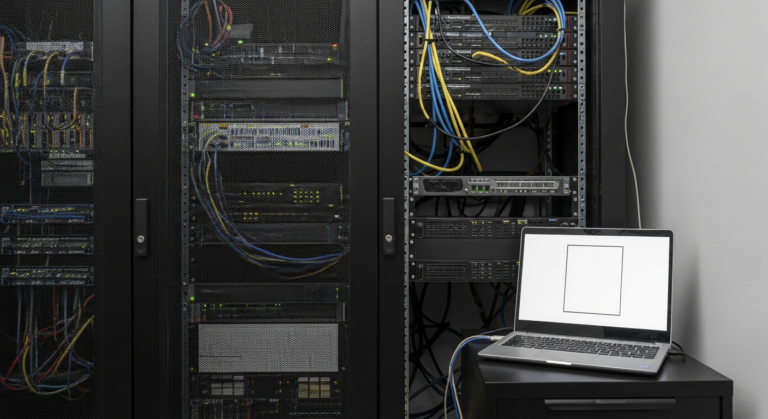
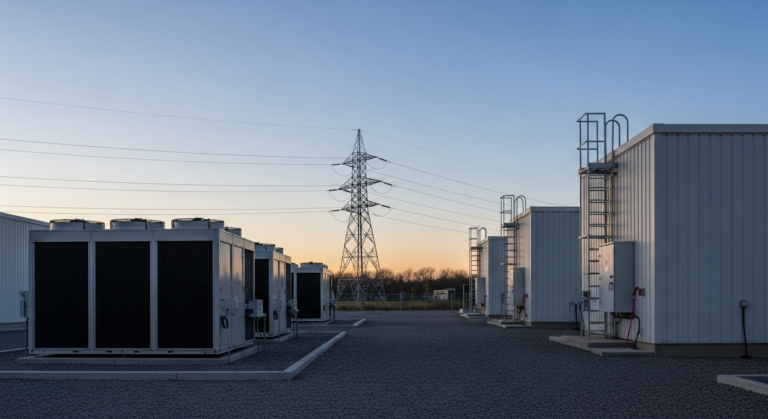
Industry analysis indicates that current tech-business coverage is increasingly centered on the foundational elements of AI infrastructure: data-center capacity, hardware demand, and, critically, energy planning. The computational intensity of AI models, which process vast amounts of data and perform complex calculations, necessitates data centers that consume unprecedented levels of electricity. These facilities are not only power-hungry for their processing units but also for the extensive cooling systems required to prevent overheating.
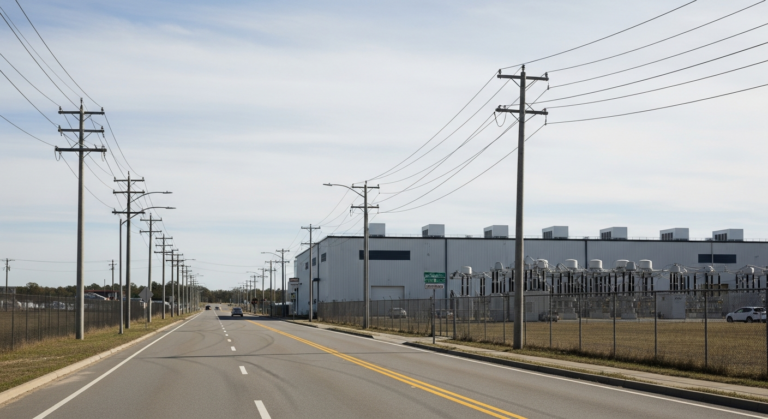
The repeated emphasis in recent discussions is that power, rather than chips, has become the primary constraint for AI expansion. This fundamental challenge stems from the fact that existing electrical grids were largely designed for a different era of demand, characterized by more distributed consumption patterns. The concentrated load of modern AI data centers can place immense strain on local and regional grids, threatening reliability and necessitating substantial upgrades to transmission and distribution infrastructure.
For power companies, this presents a complex and capital-intensive planning challenge. Forecasting the exponential growth of AI-driven demand, securing suitable land for new substations and transmission lines, navigating regulatory approvals, and investing billions in grid modernization are multi-year endeavors. These efforts must anticipate future needs while ensuring the stability and resilience of the current power supply.
Businesses heavily invested in AI development and deployment are consequently adjusting their strategies. Site selection for new data centers is increasingly dictated by access to robust, high-capacity electrical grids, rather than solely by proximity to fiber optic networks or talent pools. This reorientation influences capital allocation, as companies must factor in not just the cost of hardware and real estate, but also the long-term energy costs and the reliability of the power supply.
In Greenville, a city experiencing continuous growth and home to significant industrial and technological presences, these national trends carry tangible weight. The region’s economic vitality relies on a stable and robust energy infrastructure to support its diverse array of employers, from advanced manufacturing to healthcare and education. While specific AI data center projects in Greenville are not detailed in current public information, the broader implications of strained power grids and escalating energy demands resonate with regional utility providers and major industrial consumers.
Maintaining a reliable power supply is paramount for operations at facilities like BMW Manufacturing Co. and GE Vernova Gas Power, both critical employers in the Greenville area. These companies, along with others, depend on consistent energy to fuel their production lines, research efforts, and administrative functions. The national conversation around AI’s power demands underscores the ongoing need for strategic energy planning and infrastructure investment to ensure that Greenville’s economic engine can continue to run smoothly, adapting to new technological shifts without compromising grid stability.
Why it matters in Greenville
The national shift towards power as the primary bottleneck for AI infrastructure growth has direct implications for Greenville’s long-term economic stability and development. Major employers such as BMW Manufacturing Co. and GE Vernova Gas Power, cornerstones of the region’s industrial base, rely heavily on a consistent and robust power supply for their operations. Any strain on the broader electrical grid due to increasing AI data center demand could necessitate significant infrastructure upgrades, potentially affecting energy costs or reliability for these critical businesses. Ensuring that regional utility planning keeps pace with evolving technological demands is crucial for Greenville to maintain its competitive edge and support the continued growth of its diverse industrial and technological sectors, safeguarding the operational continuity of its largest employers and the broader community.