

News Summary
The ACLU has filed a lawsuit against a book-banning regulation in South Carolina, arguing it violates students’ constitutional rights and limits access to literature.
Charleston, South Carolina – ACLU Files Lawsuit Against Book-Banning Regulation
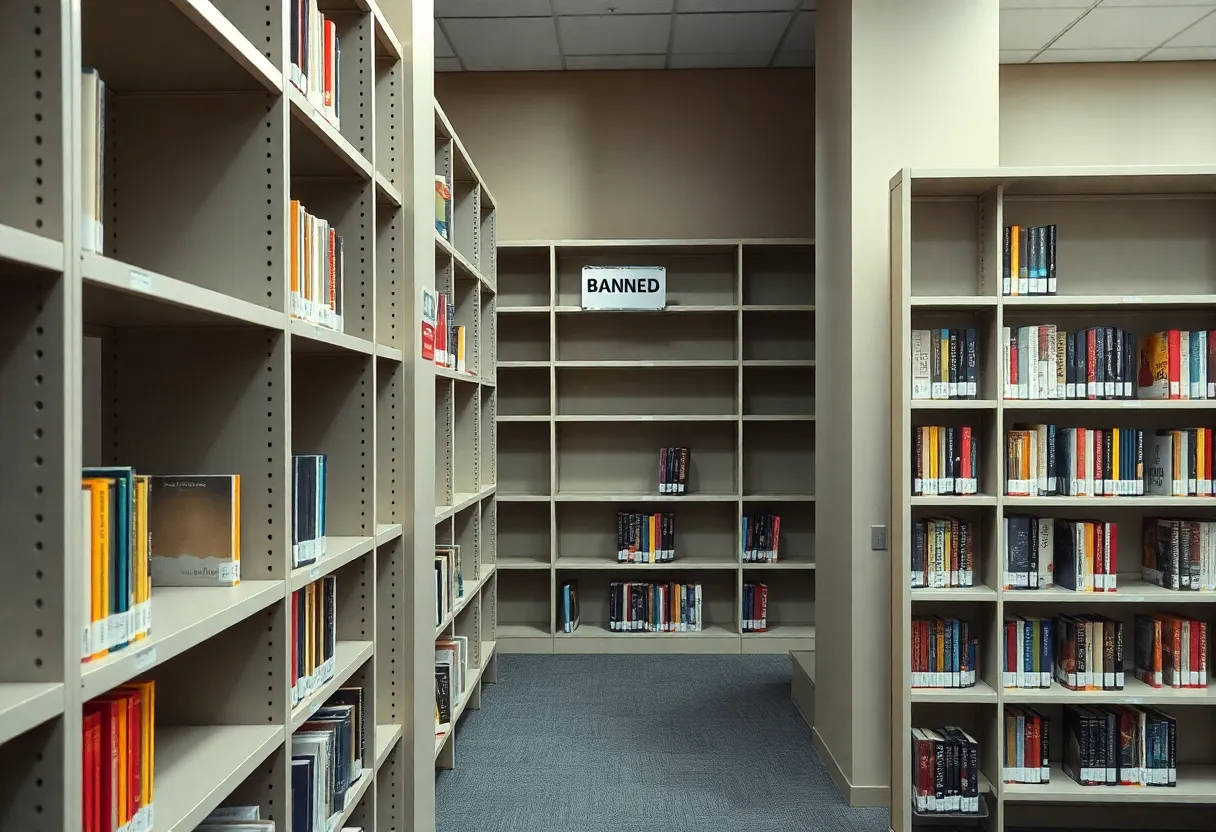
The American Civil Liberties Union (ACLU) of South Carolina has filed a lawsuit challenging Regulation 43-170, currently administered by South Carolina’s Superintendent of Education Ellen Weaver. The regulation has resulted in the banning of 22 books from public schools throughout the Lowcountry region of South Carolina, contributing to an unprecedented number of banned books in the state, which now holds the title of having the highest number of banned books in the United States.
The lawsuit, filed on October 7, 2025, in the U.S. District Court of South Carolina, aims to block the enforcement of Regulation 43-170, asserting that it violates the First and Fourteenth Amendments of the U.S. Constitution. The complaint is made on behalf of the South Carolina Association of School Librarians along with three student plaintiffs, identified only by initials: D.R., a 17-year-old from Charleston County, and two siblings, aged 16 and 14, from Greenville County.
Regulation 43-170 prohibits any book that contains “sexual conduct” from being included in classrooms. The ACLU argues this creates significant barriers to intellectual freedom and limits access to a diverse array of literature for students. Prominent titles banned under this regulation include “All Boys Aren’t Blue,” “Flamer,” “Normal People,” and “The Perks of Being a Wallflower.”
The controversy surrounding Regulation 43-170 escalated when a memorandum was published, adding additional topics that are restricted from discussion in educational materials. These topics include “discriminatory equity ideology,” “gender identity,” and “critical race theory.” The ACLU claims this regulation impinges upon students’ constitutional rights, particularly their First Amendment right to receive information.
Many educators have expressed concern over the vague wording of Regulation 43-170, leading to confusion about compliance and resulting in a climate of self-censorship among librarians fearful for their professional standing should they fail to adhere to the regulations. Following the enforcement of the regulation, the South Carolina Department of Education released a statement asserting their intent to “vigorously defend these commonsense policies.”
Since the regulation took effect in June 2024, numerous schools across the state have proactively removed books to avoid potential penalties. In Greenville County alone, school authorities have reported removing 46 books beyond the 22 that are mandated by the state regulation.
No public hearings have been convened regarding the banned titles, further raising concerns about transparency and public input in the decision-making process concerning educational materials. The ACLU supports its case by referencing historical court decisions, including the Island Trees School District v. Pico, which affirm the First Amendment rights related to educational content.
The state is also monitoring compliance with Regulation 43-170 in a more extensive manner. This includes maintaining catalogs of educational materials and threatening schools with the potential loss of federal funding if they do not comply with the regulations.
As the legal battle unfolds, the ACLU insists the consequences of the regulation will continue to stifle intellectual inquiry and access to literature, ultimately impacting students’ educational experiences. The atmosphere of regulation has reportedly driven many librarians to preemptively remove hundreds of books from their collections, indicating a growing culture of fear surrounding the adherence to these policies.
The implications of this lawsuit could reshape the landscape of educational freedom in South Carolina, as both sides prepare for ongoing legal proceedings concerning the future of public education and its accessibility to diverse literature.
Deeper Dive: News & Info About This Topic
HERE Resources
ACLU Challenges School Book Ban Regulations in South Carolina
ACLU Challenges South Carolina’s Book Censorship Regulations
ACLU Files Lawsuit Against South Carolina Education Regulations
Greenville Community Faces Conflict Over LGBTQ Library Access
Greenville County Schools End Book Fairs Amid New Regulations
South Carolina Committee Reviews School Book Regulations
Greenville library relocates all books with transgender themes to adult section
Additional Resources
- ABC News 4
- Book Riot
- Greenville Online
- Post and Courier
- WRDW
- Wikipedia: Book Banning
- Google Search: South Carolina book bans lawsuit
- Google Scholar: Book banning lawsuits
- Encyclopedia Britannica: Book Banning
- Google News: South Carolina book bans