

Saluda, South Carolina, October 25, 2025
News Summary
The Saluda Grade Trail project, aiming to develop a 31-mile multi-use trail from a historic railroad line, is entering a new phase of community input and planning. With engagement efforts including an online survey and community forums, the initiative seeks to strengthen local economies while connecting northern Spartanburg County with Polk and Henderson counties. Funded by multiple sources, the project will integrate with existing trails to promote recreation and tourism in the region.
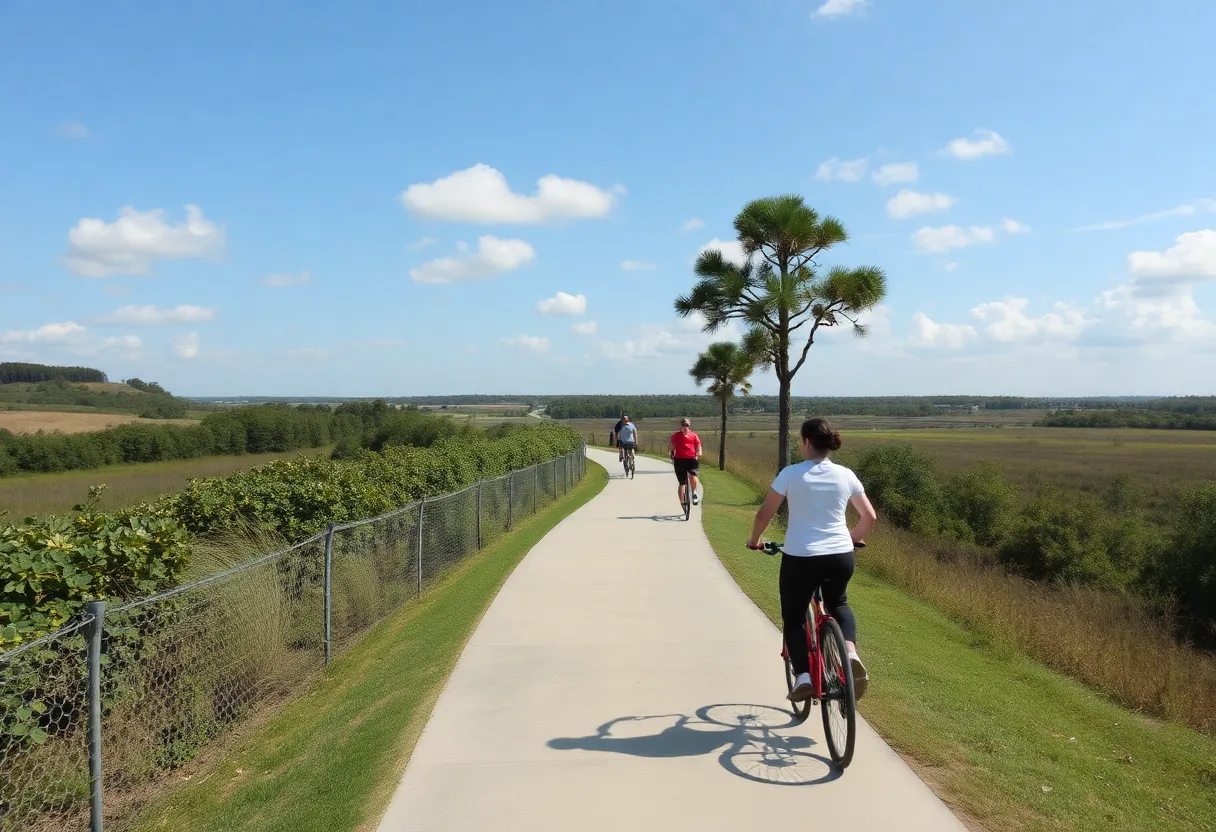
Saluda, South Carolina – The Saluda Grade Trail project is advancing into a new phase of community engagement and planning, aiming to create a 31-mile multi-use trail from a decommissioned historic railroad line. This trail will connect communities across northern Spartanburg County, South Carolina, and extend into Polk and Henderson counties in North Carolina.
This latest phase follows a feasibility study conducted in 2024, which garnered input from nearly 2,000 residents of the area. The project is being organized by Spartanburg-based PAL: Play, Advocate, Live Well, in collaboration with Hendersonville-based Conserving Carolina, along with partners Blue Ion and Tourism Impact Services. The primary focus now is to strengthen local economies while promoting the rich culture and natural beauty of the region.
Involving community input is crucial to the next steps of the project. A key component of this phase includes an online survey that opened on October 20 and will remain accessible until December 1. This survey aims to gather public feedback on how the trail can enhance recreation, health, business, and tourism opportunities in the area.
Two community forums are set to take place: the first on November 18 from 4:30 to 6:30 p.m. at the Landrum Farmers Market, followed by a second session on April 23 from 5:30 to 7:30 p.m. at Polk County High School. These forums are designed to provide an opportunity for local residents to express their ideas and concerns regarding the trail’s development.
Funding for this phase of the Saluda Grade Trail project has been secured through various sources, including the Appalachian Regional Commission, and collaboration among local governments and community organizations. The trail aims to connect with existing paths such as the Daniel Morgan Trail System, the Palmetto Trail, and the Ecusta Trail, resulting in over 65 miles of interconnected trails in the region.
The Saluda Grade Trails Conservancy recently celebrated the project’s progress with an event on July 31, featuring live music and a ceremonial moment to commemorate the first railroad spike removed from the tracks. Notably, the corridor allocated for the trail was purchased from Norfolk Southern for $28.5 million; this funding was complemented by public allocations of $12 million from the North Carolina General Assembly and $15 million from the South Carolina legislature. The Appalachian Regional Initiative for Stronger Economies also awarded a $450,000 grant to support the trail’s development.
The planned route for the trail will traverse through communities including Inman, Campobello, Landrum, Saluda, and Zirconia. The project is expected to boost economic activity along its route once completed, though no definitive timeline for the next steps has been established, as fundraising for design and construction remains critical to its progression.
Key Features of the Saluda Grade Trail Project
| Feature | Details |
|---|---|
| Length | 31 miles |
| Communities Connected | Northern Spartanburg County, SC; Polk and Henderson Counties, NC |
| Funding Sources | Appalachian Regional Commission, NC General Assembly, SC legislature, local governments |
| Community Engagement | Online survey (Oct 20 – Dec 1), Community forums (Nov 18, Apr 23) |
| Additional Connections | Daniel Morgan Trail System, Palmetto Trail, Ecusta Trail |
FAQ
-
What is the Saluda Grade Trail?
The Saluda Grade Trail is a planned 31-mile rail trail that will convert a decommissioned historic railroad line into a multi-use trail.
-
What communities will the trail connect?
The project aims to connect communities in northern Spartanburg County, South Carolina, to Polk and Henderson counties in North Carolina.
-
When did the online survey open and close?
An online survey opened on October 20 and will remain available until December 1.
-
When are the community forums scheduled?
Two community forums are scheduled: one on November 18 from 4:30 to 6:30 p.m. at the Landrum Farmers Market, and another on April 23 from 5:30 to 7:30 p.m. at Polk County High School.
-
What types of funding are being used for this project?
Funding for this phase of the project comes from the Appalachian Regional Commission and collaboration among local governments, organizations, and communities.
Deeper Dive: News & Info About This Topic
HERE Resources
Greenville County’s Tourism Industry Achieves $2.5 Billion Impact
Greenville Tourism Drives Massive Economic Growth
Greenville’s Tourism Boom Contributes $2.5 Billion to Economy
Saluda Grade Trail Progress Celebrated at Community Event
Additional Resources
- Tryon Daily Bulletin: Saluda Grade Trail Project Launches Next Phase
- Greenville Journal: Saluda Grade Trail Organizers Seek Public Input
- Post and Courier: SC-NC Saluda Grade Rail Trail Purchase
- Fox Carolina: Saluda Grade Railroad Purchased for Rail Trail
- Wikipedia: Main Page
- Encyclopedia Britannica: Main Page