


How Can You Use Customer Journey Mapping to Improve Your Digital Marketing Strategy?
In today’s hyper-competitive market, understanding your customers has become more crucial than ever. One effective way to gain insights into customer behavior is through customer journey mapping. This strategic tool allows businesses to visualize the entire customer experience, from the first point of contact to post-purchase engagement. But how can customer journey mapping specifically enhance your digital marketing strategy? Let’s delve into the details.
Understanding Customer Journey Mapping
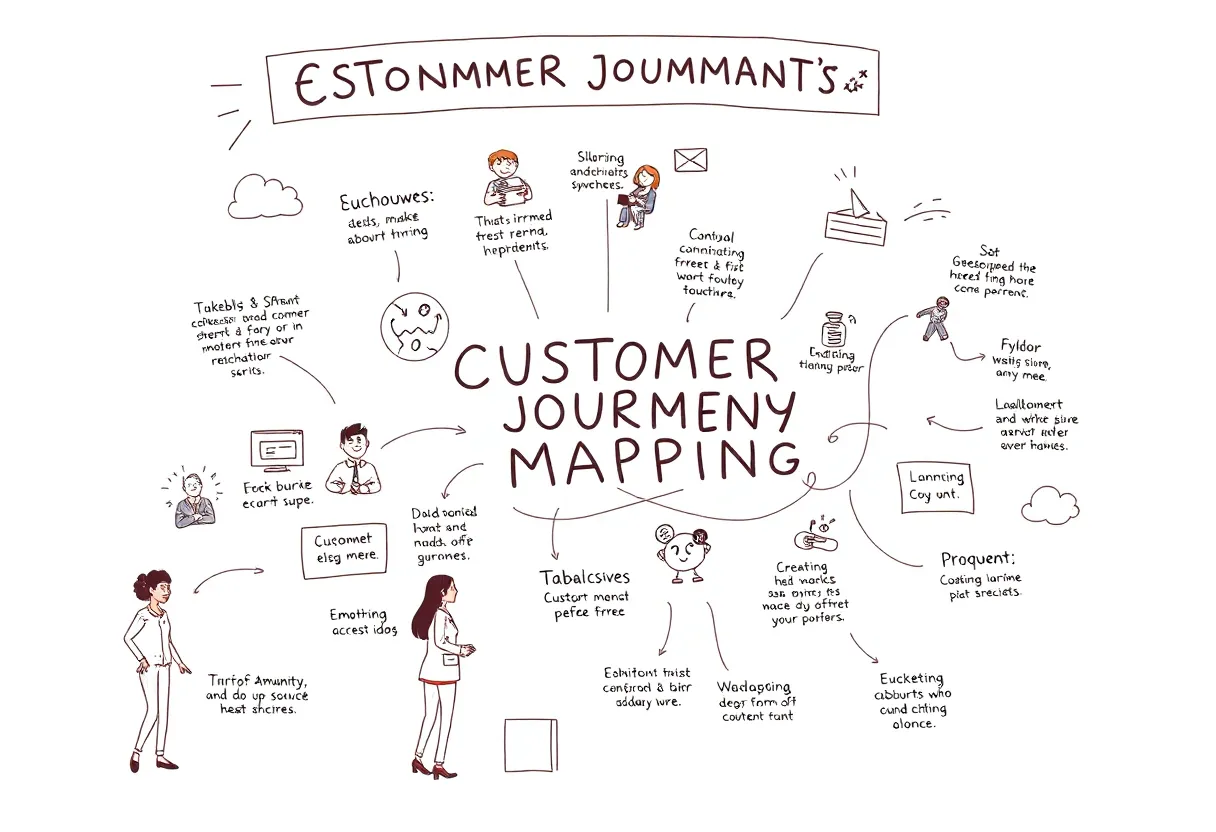
Customer journey mapping is a technique that outlines the complete path a customer takes when interacting with your brand. It identifies key touchpoints, emotions, and potential obstacles throughout their experience. A successful mapping exercise can provide valuable insights into customer needs and expectations.
Key Components of a Customer Journey Map
- Touchpoints: These are the moments where customers interact with your brand, whether through websites, social media, or customer service.
- Emotions: Understanding how customers feel at each touchpoint can highlight areas for improvement.
- Activities: This includes the actions customers take—researching products, making purchases, or seeking support.
- Channels: The various platforms and mediums through which interactions occur, including mobile, desktop, or in-store experiences.
The Importance of Customer Journey Mapping in Digital Marketing
Customer journey mapping serves as a bridge between customer behavior and marketing efforts. By using this tool, businesses can create a more tailored digital marketing strategy that resonates with their target audience.
Identify Customer Pain Points
With a well-constructed journey map, marketers can pinpoint areas where customers face challenges or frustrations. These insights enable businesses to:
- Address specific pain points in their marketing messages.
- Enhance content that answers FAQs or guides customers through tricky processes.
- Adapt website layouts for improved user experience.
Personalize Marketing Efforts
A comprehensive understanding of the customer journey allows for greater personalization. Businesses can tailor their marketing messages based on customer needs at various stages:
- Introduce targeted email campaigns that align with specific customer interests.
- Utilize retargeting ads that engage users who dropped off at particular touchpoints.
- Craft personalized landing pages with content that speaks directly to different segments of the audience.
Enhance Customer Engagement
A detailed customer journey map illustrates how to keep customers engaged throughout the decision-making process. To enhance engagement, marketers can:
- Create relevant content that guides customers through the buying cycle.
- Employ social media to engage customers at key moments, whether it’s during product research or after a purchase.
- Design loyalty programs that reward customers post-purchase, fostering long-term relationships.
Steps to Implement Customer Journey Mapping in Your Digital Marketing Strategy
Implementing customer journey mapping may seem daunting, but breaking it down into manageable steps can simplify the process.
1. Define Your Objectives
Consider what you want to achieve with your customer journey map. Whether it’s improving customer retention, increasing conversion rates, or enhancing user experience, clear objectives will guide your mapping process.
2. Gather Comprehensive Data
Collect data from various sources, including analytics tools, customer surveys, and social media insights. This data will help you understand user behavior and identify key touchpoints throughout the journey.
3. Create the Journey Map
Utilize the information gathered to sketch out the customer journey. Use visual aids, such as charts or diagrams, to represent interactions, emotions, and pain points at each touchpoint.
4. Analyze and Optimize
Once the journey map is complete, analyze the data to identify trends and areas for improvement. Optimize your digital marketing strategy accordingly, adjusting messaging, content, and channels as needed.
5. Test and Iterate
The marketplace is ever-evolving. Regularly revisit and update your customer journey map based on new data and feedback. Continuous iteration ensures your strategy aligns with current customer needs and preferences.
Real-World Examples of Customer Journey Mapping in Action
Understanding how other businesses have successfully implemented customer journey mapping can provide helpful insights into your own strategy.
Case Study: E-Commerce Brand
Consider an e-commerce brand that identified a high cart abandonment rate. By mapping the customer journey, they discovered that customers were often overwhelmed during checkout. In response, they simplified the process and introduced a progress bar to ease navigation. As a result, the brand saw a significant reduction in cart abandonment and an increase in conversions.
Case Study: SaaS Company
A Software as a Service (SaaS) company used customer journey mapping to analyze their free trial users. They found that many users would sign up but fail to explore the software’s full capabilities. By creating timely and personalized onboarding emails, the company guided users through the platform’s features. This strategy significantly improved user engagement and retention rates.
Challenges in Customer Journey Mapping
While customer journey mapping offers numerous benefits, there are challenges to consider:
Data Overload
With extensive data sources available, businesses might struggle to discern which data points are truly valuable. Focusing on relevant metrics is critical to creating an effective journey map.
Alignment Across Teams
Ensuring that various departments within an organization are on the same page regarding the customer journey can be challenging. Collaborating across teams is essential for a unified approach.
Maintaining Flexibility
The customer journey is not static; it evolves with changing consumer behavior and market trends. Businesses must remain adaptable, continuously refining their maps to reflect new insights.
Conclusion
Customer journey mapping is a powerful tool that can significantly enhance your digital marketing strategy. By understanding the intricacies of the customer experience, businesses can identify pain points, personalize interactions, and boost engagement. The result is a marketing approach that is not only effective but also customer-centric.
Investing time and resources into customer journey mapping can yield long-term benefits. With the right data and a commitment to continuous improvement, your digital marketing strategy can evolve to meet the ever-changing needs of your customers. Take action today to map out your customers’ journeys and unlock the full potential of your marketing efforts.