A detailed guide has been released to assist new hunters in navigating the complexities of preparing for the 2026 hunting season. The resource covers critical aspects from initial education and licensing to field safety and post-harvest procedures, aiming to equip novices with the knowledge required for a responsible and successful experience. Its recommendations are broadly applicable, including for individuals in the Greenville area considering their first hunting endeavors.
Prospective hunters are strongly advised to complete a state-approved hunter education course before heading into the field. These courses are foundational, ensuring participants understand the ethical, legal, and safety dimensions of hunting. Instruction formats vary, often including traditional classroom settings complemented by a field day, or online coursework that still requires an in-person field day for practical application. Some states offer fully online options specifically for adult learners. Core topics typically encompass firearm or archery safety, the principles of fair chase, accurate wildlife identification, establishing safe zones of fire, basic survival skills, wilderness first aid, and specific local regulations that govern hunting activities.
Beyond education, securing the correct hunting license and species-specific tags is a non-negotiable step. The regulatory landscape for hunting is highly localized, with requirements varying significantly by state, specific game management units, the target species, the animal’s sex or age, and the type of weapon used. Hunters must also be aware of season dates, legal weapons, minimum caliber or draw weight requirements, and bag limits. For highly sought-after game, some hunts operate on a draw or lottery system, necessitating an application process, while other tags are available for over-the-counter purchase. Understanding these nuances is crucial for legal participation.
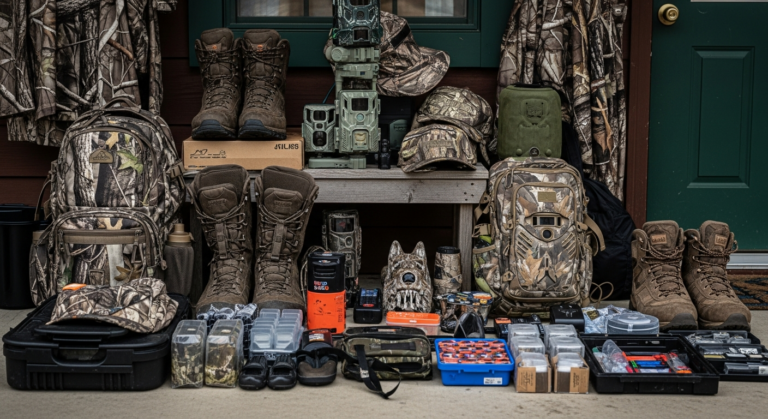
The guide outlines a core set of equipment essential for new hunters. This includes a legal primary weapon, such as a rifle, shotgun, or compound bow, along with appropriate ammunition or arrows. A dedicated practice setup is also recommended to ensure proficiency before the season. Hunters must carry their licenses and tags, ideally stored in a waterproof holder to protect them from the elements. Where mandated by law, hunter orange clothing is a critical safety item. Footwear should consist of broken-in, waterproof boots, and clothing should be layered, non-cotton material suitable for varying weather conditions.
Beyond the basics, a pair of binoculars is recommended for scouting and identifying game. A day pack is necessary to carry essentials, including sufficient water and high-calorie snacks. A headlamp with extra batteries is vital for navigating in low light, and a sharp knife is indispensable for field dressing. A basic first-aid kit rounds out the essential items, addressing minor injuries that might occur in remote settings.
The financial investment for new equipment can be substantial, though budget-friendly and used options exist. An entry-level rifle paired with a basic scope typically ranges from $450 to $800. For deer or small-game hunting, a shotgun might cost between $350 and $700. A compound bow package, which often includes accessories like a sight and rest, is estimated at $400 to $900. Essential clothing layers and waterproof boots can add another $200 to $400 to the initial outlay. Entry-level binoculars are generally priced between $100 and $250. The guide emphasizes that these are approximate costs and encourages new hunters to explore options that fit their budget while prioritizing safety and reliability.
Safety in the field is paramount, and the guide reiterates fundamental rules for firearm users. Every firearm must be treated as if it were loaded, regardless of perceived status. The muzzle should always be pointed in a safe direction, preventing accidental discharge towards people or property. A hunter’s trigger finger should remain outside the trigger guard until they are ready to shoot, ensuring deliberate action. Crucially, hunters must positively identify their target, be aware of what is directly in front of it, and understand what lies beyond it to prevent unintended harm.
For those hunting from elevated positions, such as tree stands, specific safety measures are critical. The guide mandates the use of a full-body harness, a lineman’s belt for installation, and a lifeline that connects the hunter to the tree from the moment they leave the ground until they return. Stands should be thoroughly inspected before each hunting season for any signs of wear or damage. Additionally, unloaded weapons should always be raised or lowered using a haul line, never carried while climbing.
After a shot is taken, the guide provides a sequence of steps to ensure ethical and efficient game recovery. Hunters should observe the precise location of the hit and the animal’s direction of travel. Marking the last known location where the animal was seen is crucial for initiating a successful track. For animals that appear to be clearly heart- or lung-shot, a waiting period of approximately 15 to 30 minutes is often recommended, allowing the animal to expire and minimizing the risk of pushing it further.
Tracking should be conducted slowly and methodically, paying close attention to blood trails, broken vegetation, and tracks. If the trail becomes difficult or is lost, seeking help from experienced trackers or a tracking dog is advised. Once the animal is recovered, it must be tagged immediately as required by state regulations. Prompt cooling and cleaning of the meat are essential to preserve its quality, especially during the warmer months of early season hunts. Finally, hunters must check state transport rules, which may include specific requirements for moving game, particularly in chronic wasting disease (CWD) zones, to prevent the spread of the disease.
Why it matters in Greenville
The comprehensive guidance for new hunters holds particular relevance for the Greenville area, where access to natural landscapes like the Saluda River watershed and nearby state forests provides opportunities for outdoor recreation, including hunting. As the 2026 hunting season approaches, new participants from Greenville and the wider Upstate region will find these guidelines essential for navigating state regulations and ensuring safe practices. The emphasis on hunter education and safety directly impacts public land use and wildlife management efforts supported by entities like Greenville County Government, which oversees local parks and natural resources. Adherence to these principles helps maintain responsible access to the region’s natural beauty and ensures the long-term health of local wildlife populations, benefiting all residents who utilize these shared spaces.