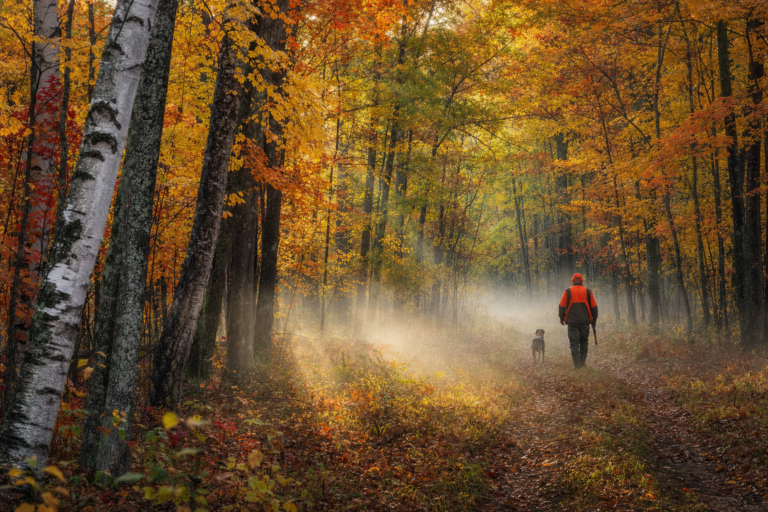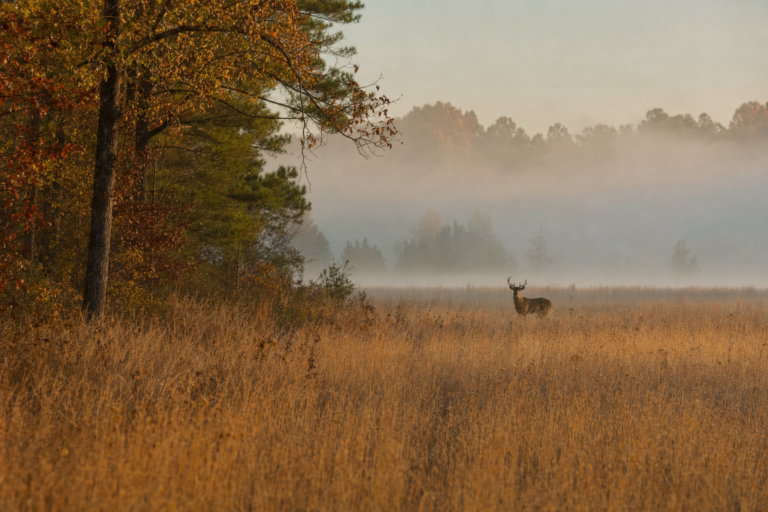
A comprehensive guide released this summer aims to equip first-time hunters in Greenville and the surrounding Upstate region with the knowledge and preparation needed before the 2026 hunting season opens. The resource outlines critical steps from initial education and licensing to gear selection, safety protocols, and ethical animal recovery, stressing the importance of understanding specific state and local regulations.
Central to the guide’s recommendations is the completion of a state-approved hunter education course. These courses are typically offered through various formats, including traditional classroom instruction with a required field day, online coursework supplemented by an in-person field day, or, for adults in some jurisdictions, entirely online. The curriculum is broad, covering fundamental topics such as firearm or archery safety, the principles of fair chase, wildlife identification, establishing safe zones of fire, wilderness survival techniques, basic first aid, and specific local hunting regulations. Prospective hunters are advised to confirm the available course formats and requirements with their state wildlife agencies.
Navigating the regulatory landscape is another key focus. The guide emphasizes that licenses, permits, species tags, season dates, legal weapons, minimum caliber or draw weight requirements, bag limits, and tagging or reporting mandates can vary significantly. These differences depend on the state, specific game unit, species, the animal’s sex or age, and the type of weapon used. Some highly sought-after hunts may require participation in a draw or lottery system, while others offer over-the-counter tags. New hunters must meticulously research and secure all necessary documentation and understand the legal hunting access for both public and private lands before heading afield.
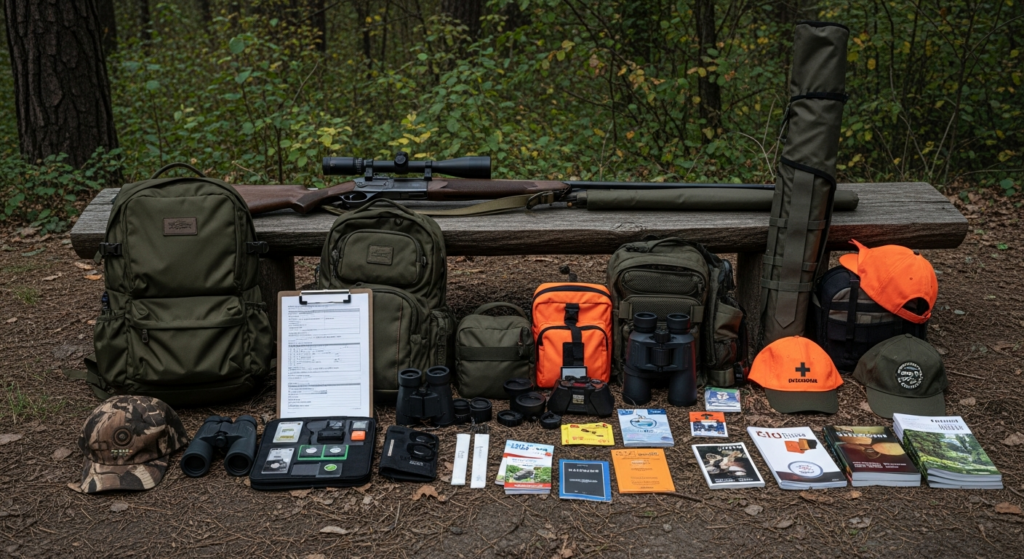
Equipment readiness is also detailed. The guide suggests a core set of gear, including a legal primary weapon (firearm or bow) with appropriate ammunition or arrows, along with a practice setup. Essential items also include licenses and tags stored in a waterproof holder, hunter orange clothing where mandated, broken-in waterproof boots, and layered non-cotton clothing suitable for varying weather conditions. Binoculars, a day pack, sufficient water, high-calorie snacks, a headlamp with extra batteries, a sharp knife, and a basic first-aid kit complete the recommended list.
For those considering new equipment, the guide provides approximate cost ranges: an entry-level rifle with a basic scope might cost between $450 and $800, while a shotgun suitable for deer or small game could range from $350 to $700. A compound bow package is estimated at $400 to $900. Essential apparel like boots and basic clothing layers are priced at $200 to $400, and entry-level binoculars at $100 to $250. The guide also notes that used or budget-friendly options are often available for each category, helping to mitigate initial investment costs.
Safety protocols are paramount. For firearm users, the guide reiterates four fundamental rules: treat every firearm as loaded, always keep the muzzle pointed in a safe direction, keep the trigger finger outside the trigger guard until ready to shoot, and positively identify the target, what is in front of it, and what is beyond it. Hunters using elevated positions, such as tree stands, are strongly advised to use a full-body harness, a lineman’s belt, and a lifeline. They should inspect all stands thoroughly before each season and use a haul line to raise and lower unloaded weapons.
The guide also provides instructions for post-shot procedures. It recommends observing the hit location and the animal’s direction of travel, marking the last known location, and waiting approximately 15 to 30 minutes for animals that appear to be clearly heart- or lung-shot before beginning to track. Tracking should be done slowly and methodically, seeking assistance if necessary. Once recovered, the animal must be tagged immediately according to state requirements. Prompt cooling and cleaning of the meat are crucial, and hunters should verify state transport rules, particularly those applicable in chronic wasting disease zones.
Beyond these specifics, the guide covers broader preparation aspects, including planning for public and private land access, scouting techniques using maps and identifying animal sign, basic calling strategies, and setting realistic expectations for a hunt. It also addresses emergency planning, recognizing signs of hypothermia and heat illness, field dressing, meat processing options, and a day-of-hunt checklist. The resource encourages continuing education through state agencies, conservation groups, and ongoing practice at shooting ranges.
Why it matters in Greenville
For many residents of Greenville and the broader Upstate region, outdoor recreation is a significant aspect of life, with activities ranging from hiking along the Saluda River to fishing on Lake Hartwell. The availability of a comprehensive guide for new hunters directly impacts how these natural resources are utilized and conserved. As more individuals consider hunting, ensuring they are well-educated in safety, ethics, and local regulations becomes crucial for wildlife management and public land use. This guide supports responsible engagement with the region’s diverse ecosystems, contributing to the long-term health of wildlife populations and the safety of all who enjoy the outdoor spaces around Greenville.