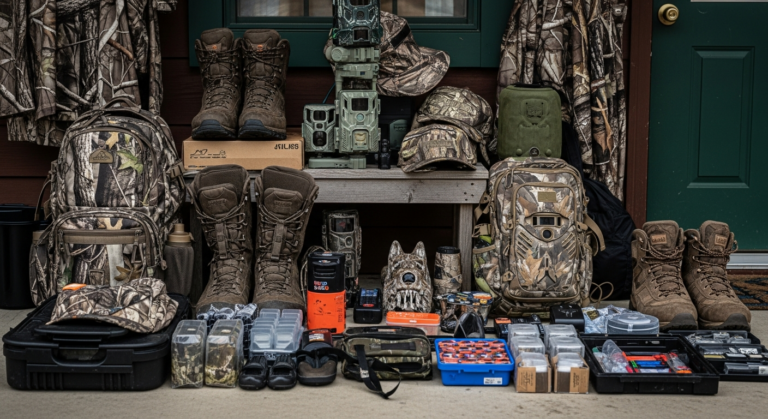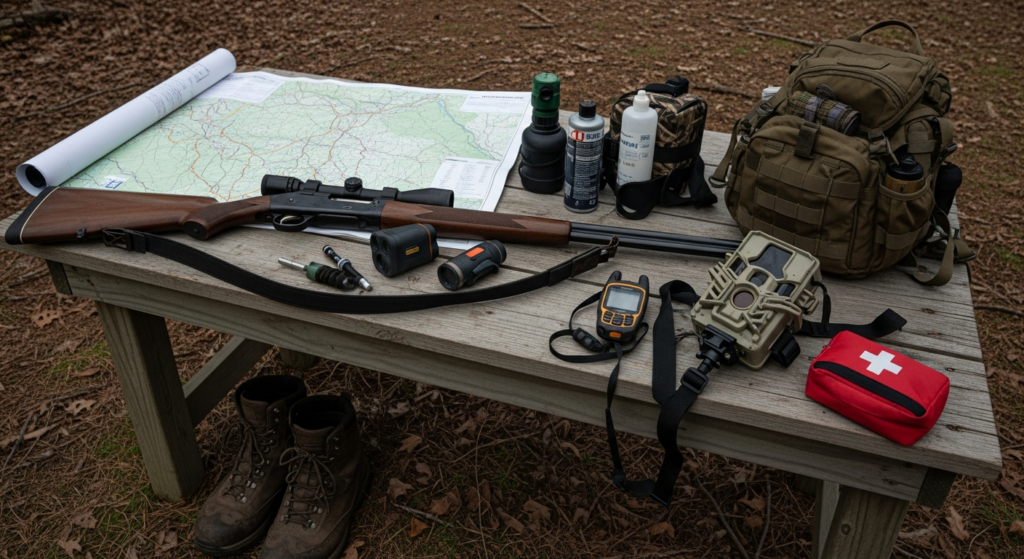
As the deer hunting season approaches, a comprehensive preparation guide has been released, providing hunters with a detailed roadmap to ensure their equipment is sound, their practices are safe, and their strategies are well-planned. The recommendations emphasize thoroughness across all aspects of the hunt, from the condition of archery gear to the strategic placement of trail cameras.
For those who favor archery, the guide stresses the critical importance of a meticulous bow inspection. Hunters are advised to scrutinize their bows for any signs of wear, such as separated or worn limbs, cams, and strings. Regular waxing of strings is recommended to prolong their life and maintain performance. Any questionable components should be replaced proactively to prevent failures in the field. Beyond equipment, consistent practice is highlighted as fundamental for building and maintaining shooting consistency, a cornerstone of ethical hunting.
Rifle hunters also receive specific guidance for their firearms and ammunition. The preparation regimen includes thoroughly cleaning and oiling rifles to ensure optimal function. A crucial step involves verifying that the scope is securely mounted and confirming its zero at a shooting range, accounting for potential shifts during transport or storage. For those using broadheads with arrows, the guide recommends employing an arrow spinner to check for straightness and proper alignment, noting that even a slight wobble at the broadhead tip can significantly compromise arrow flight and accuracy.
Personal gear, particularly clothing and footwear, is another area of focus. Hunters are encouraged to wash all hunting apparel with scent-free detergent, a practice designed to minimize human odor that could alert game. Checks for holes, worn seams, and fading are also advised, as these can compromise comfort and camouflage. New footwear should be broken in well before the season to prevent discomfort and blisters during long treks. Waterproofing should be verified, especially for boots, to ensure dry feet in varied conditions. For protection against tick-borne illnesses, treating clothing with permethrin is suggested as a preventive measure.
Safety, particularly concerning elevated hunting positions, is given significant attention. The guide mandates a thorough inspection of treestands, ladder stands, and climbing sticks. Hunters should look for rust, loose fasteners, cracks, and frayed straps that could indicate structural weakness. Practicing with a full-body harness and a lifeline is not just recommended but presented as an essential safety drill, ensuring hunters are proficient in their use before ascending. Furthermore, charging handheld GPS units or phone mapping applications, along with external battery packs, is crucial for navigation and emergency communication. The guide also suggests hanging stands early in the season, trimming shooting lanes conservatively, and employing quiet, scent-free methods during setup to avoid disturbing game.
Modern hunting increasingly integrates digital tools for scouting. The guide recommends extensive map scouting, urging hunters to study contour lines to identify key topographical features such as saddles, ridges, and draws, which often serve as natural travel corridors for deer. Identifying water sources like creeks, ponds, and low spots, as well as agricultural fields, oak stands, and natural browse areas, helps pinpoint feeding and bedding locations. Hunters should also mark trailheads and access points, and critically, plan entry and exit routes that account for varying wind conditions to avoid spooking game. For enhanced digital mapping, the guide notes that Xtra add-ons to REVEAL plans are available for $4 per month, offering features like property boundaries, detailed property information and access, shape and path drawing tools, and custom pins, which can be invaluable for strategizing in the Greenville area and beyond.
Trail cameras have become indispensable tools for many hunters. The guide offers advice on optimal placement, suggesting locations such as mineral licks, trails connecting bedding and feeding areas, field edges and corners, and water sources. Various power options are discussed, including lithium cartridges, solar panels (both standard and folding), and battery belts, allowing hunters to choose the best solution for their deployment duration and location. Before deploying cameras, several checks are essential: ensuring batteries are fully charged, formatting and labeling SD cards (though Ultra and REVEAL 3.0 series cameras have internal memory, making SD cards optional), testing the field of view, and verifying motion activation, flash, and other settings. Cellular cameras, in particular, should be activated and updated with the latest REVEAL app version to ensure seamless operation and data transfer.
Beyond equipment and scouting, the guide covers a range of additional preseason checks for overall readiness. This includes inspecting tents and campers for wear, missing stakes, cracked poles, or other necessary items. Sleeping bags and pillows should be aired out, and camping-stove fuel canisters filled. A comprehensive packing list is advised, ensuring essentials like cutlery, tags, snacks, water, a valid hunting license, and a first-aid kit are always included. Practicing shooting while wearing hunting clothes helps hunters become accustomed to the feel and movement restrictions of their gear. Coordinating plans with private-land owners is crucial for maintaining good relationships and ensuring access. Finally, the guide underscores the importance of getting into physical shape for the demands of long hikes and climbs, particularly in the varied terrain surrounding Greenville.
Why it matters in Greenville
For residents of Greenville and the broader Upstate region, where outdoor recreation, including hunting, is a significant part of the local culture, this comprehensive preparation guide offers critical insights. Many individuals employed by major local institutions such as Prisma Health, Greenville County Schools, or BMW Manufacturing Co. participate in hunting activities, often utilizing the extensive natural areas near the Saluda River, Lake Hartwell, or the foothills of the Blue Ridge Mountains. Adhering to these detailed recommendations not only enhances the success of the hunt but, more importantly, promotes safety and responsible stewardship of the region’s natural resources. The guide’s emphasis on equipment integrity and safety protocols directly contributes to reducing incidents in the field, safeguarding both individual hunters and the broader community that shares these natural spaces in Greenville.