Anglers across Greenville and the wider Upstate region are being reminded of critical safety protocols as summer fishing continues on local waterways. With numerous opportunities on the Saluda River, Reedy River, and expansive lakes like Hartwell and Keowee, the appeal of a day on the water remains strong. However, the persistent heat and humidity characteristic of August in Greenville necessitate careful preparation to ensure a safe and enjoyable experience.
A new guide, drawing on best practices for outdoor recreation, details seven key areas of focus for those venturing out to fish: maintaining proper hydration, implementing robust sun protection, selecting appropriate clothing, understanding and responding to heat exhaustion, monitoring weather and water conditions, assembling essential gear, and practicing responsible fish handling.
Prioritizing Hydration
One of the most fundamental aspects of summer safety, particularly during physical activity, is consistent hydration. The guide strongly recommends that anglers begin their day well-hydrated, consuming a substantial amount of water before even reaching their fishing spot. Throughout the day, regular water intake is crucial, with a general target of at least eight glasses daily, increasing significantly during periods of heavy sweating. Carrying an insulated water bottle is advised to keep water cool and palatable, encouraging more frequent sips.
Beyond plain water, considering electrolyte drinks or tablets can be beneficial, especially during prolonged exposure to heat or strenuous activity, as they help replenish essential salts lost through sweat. Conversely, beverages containing caffeine or alcohol should be avoided, as both can contribute to dehydration. Integrating water-rich fruits and vegetables into one’s diet before and during a fishing trip can also supplement fluid intake, offering a natural and refreshing way to stay hydrated.
Comprehensive Sun Protection
The intensity of the summer sun in Greenville can lead to severe sunburn and long-term skin damage if not properly managed. The guide emphasizes the importance of applying a broad-spectrum sunscreen with an SPF (Sun Protection Factor) of at least 30 to all exposed skin. This application should ideally occur 15 to 30 minutes before going outside to allow the sunscreen to bind effectively with the skin. Reapplication every two hours is critical, and even more frequently after sweating heavily or any water exposure, such as wading in the Enoree River or retrieving a fish from Lake Jocassee.
Beyond topical protection, physical barriers are highly recommended. UV-protective sunglasses are essential for safeguarding eyes from harmful rays and reducing glare off the water, which can enhance visibility for fishing. Protective clothing, designed with UPF (Ultraviolet Protection Factor) ratings, offers another layer of defense. Anglers should also seek shaded breaks whenever possible, perhaps under a tree along the Chattooga River or beneath a boat canopy on Lake Greenwood. Minimizing direct sun exposure between 10 AM and 4 PM, when the sun’s rays are strongest, is a prudent strategy for reducing overall risk.
Selecting Appropriate Attire
The right clothing can significantly impact comfort and safety during summer fishing excursions. The guide suggests opting for light-colored, loose-fitting, and breathable fabrics. Materials that offer moisture-wicking properties are particularly effective, drawing sweat away from the skin to facilitate evaporative cooling. Specialized UV-protective garments, often made from synthetic blends, provide excellent sun protection without adding bulk or excessive warmth.
A wide-brimmed hat is indispensable for shielding the face, ears, and neck from direct sunlight. A buff or neck gaiter can offer additional protection for the neck and lower face, which are often overlooked areas. For footwear, lightweight options with good grip are crucial for navigating slippery banks or boat decks. Water shoes are specifically recommended for those planning to wade in streams like Eastatoe Creek or shallow areas of Lake Robinson, offering protection from underwater hazards and improved traction.
Recognizing and Responding to Heat Exhaustion
Despite precautions, the high summer temperatures can still pose a risk of heat-related illnesses. The guide details the symptoms of heat exhaustion, which include heavy sweating, general weakness, dizziness, nausea, a persistent headache, and muscle cramps. Recognizing these signs early is paramount to preventing the condition from escalating into the more dangerous heat stroke.
Should symptoms arise, immediate action is required. The affected individual should move to a shaded area or, if available, an air-conditioned space. Slowly drinking cool water or an electrolyte solution is recommended. Applying cool, wet cloths to the skin, particularly the neck, armpits, and groin, can help lower body temperature. Taking a cool shower or bath, if feasible, and loosening any tight clothing are also effective measures. If symptoms persist or worsen, or if there are signs of confusion or loss of consciousness, immediate medical attention is necessary, as these could indicate progression to heat stroke, a medical emergency.
Monitoring Weather and Water Conditions
Environmental factors play a critical role in fishing safety. The guide stresses the importance of checking local weather forecasts before and during any fishing trip. This includes looking for heat advisories, which signal dangerously high temperatures, and severe-weather alerts, such as warnings for thunderstorms or heavy rain, which can develop rapidly in the Upstate during summer afternoons. For river fishing, such as on the Saluda or Reedy, checking river conditions and flow rates is vital, as sudden changes can create hazardous currents. Similarly, for lake fishing, understanding wind patterns and potential for choppy waters on Lake Hartwell or Lake Keowee is important.
Anglers should also be aware of tide charts if fishing in tidal areas, though this is less relevant for Greenville’s inland freshwater systems. Utilizing a weather radio or smartphone alerts can provide real-time updates while on the water. Planning trips for cooler periods, such as early morning or late afternoon, can help avoid the peak heat of the day. Finally, employing a buddy system, especially when venturing into more remote areas like the mountain trout streams of the Chauga River or Whitewater River, ensures that help is available if an emergency arises.
Essential Gear Checklist
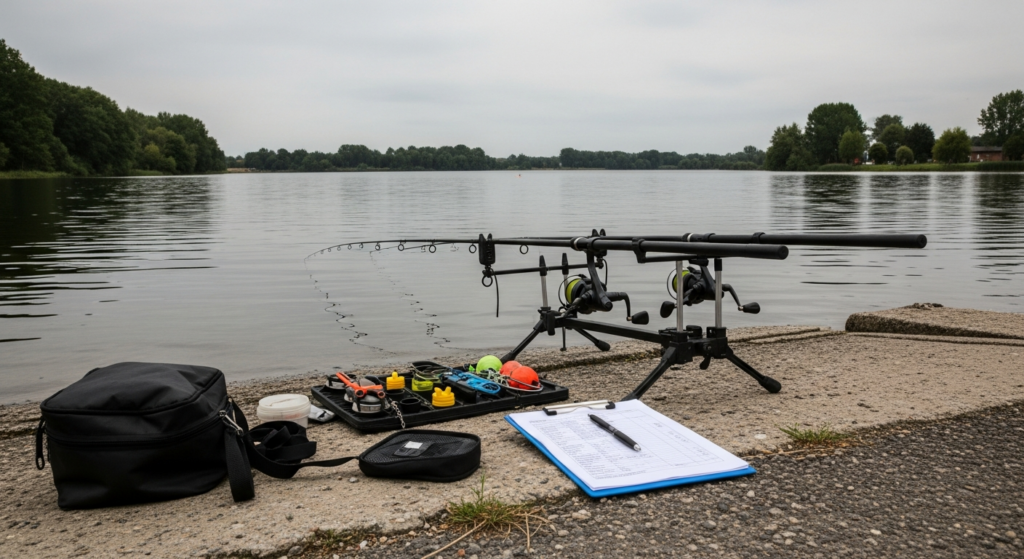
Being well-equipped is a cornerstone of safe fishing. The guide provides a comprehensive list of essential gear that should accompany every angler. A well-stocked first-aid kit is non-negotiable, containing bandages, antiseptic wipes, pain relievers, and any personal medications. Ample water and high-energy snacks are crucial for sustaining energy and hydration throughout the day. A cooler filled with ice packs can keep drinks and food cold, and also serve as a place to store cool cloths.
Portable cooling devices, such as a small battery-operated fan or a misting device, can offer significant relief from the heat. Sunscreen, hats, and sunglasses, as previously mentioned, are vital. A multi-tool or fishing knife is useful for various tasks, from cutting line to minor repairs. Extra clothing, including a lightweight waterproof jacket, can be invaluable for unexpected weather changes or accidental drenching, ensuring comfort and preventing hypothermia even in summer if conditions turn cool or windy after a storm.
Practicing Responsible Angling
Beyond personal safety, responsible fishing practices are essential for the health of local ecosystems and the sustainability of fishing opportunities in Greenville. The guide advocates for using barbless hooks or crimping the barbs on standard hooks. This practice significantly reduces harm to fish, making catch and release much less stressful for the fish.
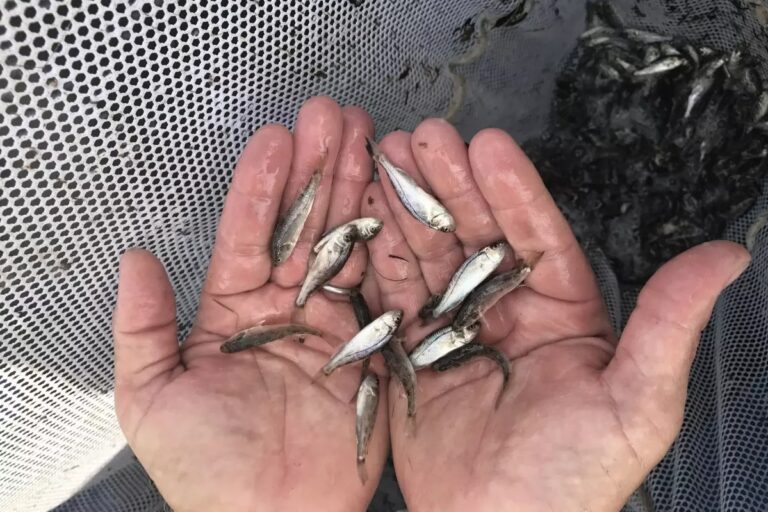
When handling fish, anglers should always wet their hands thoroughly before touching the fish to protect its delicate slime coat, which is crucial for its health and disease resistance. Avoiding contact with the fish’s gills and eyes is critical, as these are highly sensitive areas. Supporting the fish properly, especially larger specimens, ensures no damage to its internal organs or spine. Limiting the time a fish spends out of water to the absolute minimum, ideally just long enough for a quick photo, is also vital. Using a landing net can further minimize stress and injury during the landing process.
Adhering to all local catch limits and seasonal restrictions, which vary by species and waterway, is a legal and ethical obligation. Practicing catch and release whenever possible, particularly for larger, breeding-age fish, contributes significantly to maintaining healthy fish populations in the Saluda River, Lake Hartwell, and other cherished fishing grounds around Greenville.
Why it matters in Greenville
For the thousands of residents who enjoy fishing in and around Greenville, understanding and implementing these safety guidelines is not merely a recommendation but a necessity. The health and well-being of individuals engaging in outdoor activities directly impacts local emergency services, including those provided by Prisma Health, which often sees an increase in heat-related incidents during the summer months. Furthermore, responsible angling practices are crucial for preserving the ecological integrity of vital natural resources such as the Reedy River and Lake Keowee. By prioritizing safety and conservation, Greenville’s fishing community helps ensure these natural assets remain vibrant and accessible for future generations, reducing strain on public health resources and supporting the region’s natural heritage.