The use of trail cameras has become increasingly popular among hunters, providing a way to monitor wildlife and enhance the hunting experience. However, with this technology comes a responsibility to use it ethically and in accordance with local regulations. In Greenville and its surrounding areas, hunters are encouraged to adhere to a set of guidelines to ensure that trail cameras are used responsibly on shared public lands.
Understanding Local Regulations
Before setting up a trail camera, it is crucial to familiarize oneself with local hunting regulations. Different areas may have specific rules regarding the placement and use of trail cameras. For instance, some public lands may require that cameras be labeled with the owner’s contact information. This helps prevent theft and ensures accountability among users.
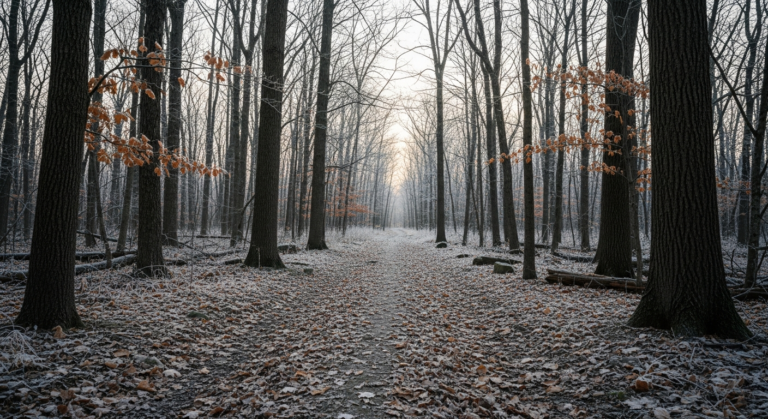
Avoiding Trail Blockages
One of the primary considerations when using trail cameras is to avoid obstructing trails or pathways. Hunters should ensure that their cameras do not impede the movement of wildlife or other outdoor enthusiasts. This not only promotes a respectful hunting environment but also enhances the overall experience for everyone using the land.
Choosing the Right Location
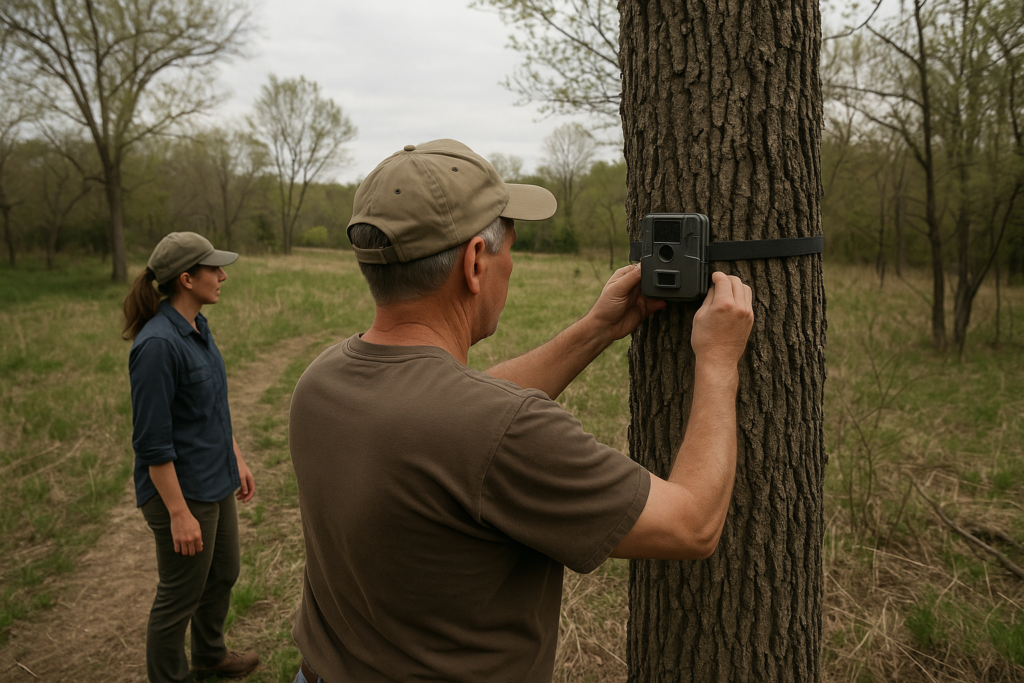
When selecting a location for a trail camera, hunters should consider areas with high wildlife activity while also being mindful of the proximity to trails and other users. Setting cameras too close to trails can lead to conflicts with other visitors and may result in the camera being tampered with or removed. Additionally, hunters should avoid placing cameras in areas that may be sensitive to disturbance, such as near nesting sites or water sources.
Ethical Considerations
Ethical hunting practices extend beyond just following regulations. Hunters should consider the impact of their actions on wildlife and the environment. This includes minimizing the time cameras are left in the field and ensuring that they do not contribute to wildlife stress or alter natural behaviors. Regularly checking cameras can help mitigate these issues, as it reduces the amount of time the equipment is left unattended.
Respecting Privacy
In areas where trail cameras are used by multiple hunters, it is essential to respect the privacy of others. This means not placing cameras in locations where they may inadvertently capture images of other individuals without their consent. Hunters should also be aware of the potential for conflict if multiple cameras are placed in close proximity to one another.
Community Engagement
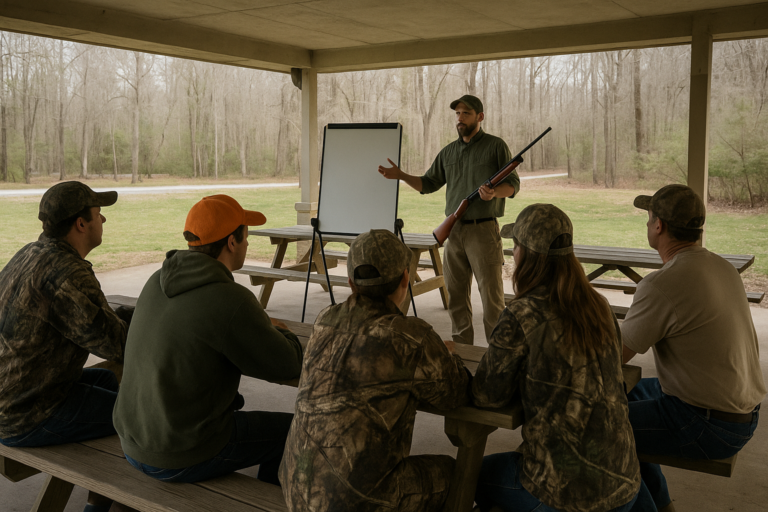
Engaging with local hunting communities can provide valuable insights into best practices for trail camera use. Many experienced hunters are willing to share their knowledge and can offer tips on effective camera placement and maintenance. Local hunting clubs or organizations may also host workshops or discussions on responsible hunting practices, including the use of trail cameras.
Conclusion
By adhering to these guidelines, hunters in Greenville can enjoy the benefits of trail cameras while ensuring that they are used responsibly and ethically. This not only enhances the hunting experience but also fosters a sense of community among outdoor enthusiasts. As technology continues to evolve, it is imperative that hunters remain informed and adaptable to maintain the integrity of shared public lands.