


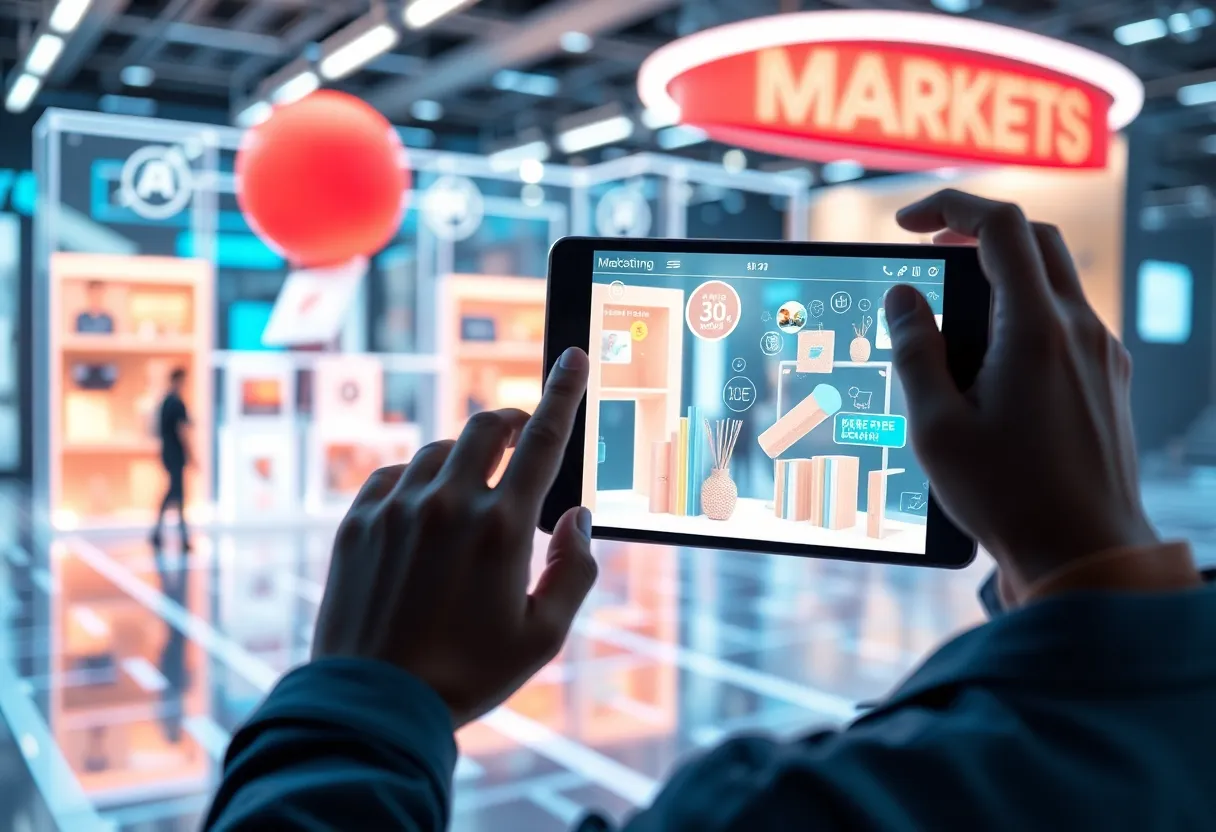
How Can You Utilize Augmented Reality to Transform Your Digital Marketing Engagement?
In recent years, augmented reality (AR) has emerged as a potent tool in the landscape of digital marketing. It enhances user engagement through interactive experiences, transforming how brands communicate with consumers. This article explores how brands can leverage AR technology to boost digital marketing strategies.
Understanding Augmented Reality
Augmented reality involves overlaying digital information—such as images, sounds, or text—onto the real world through devices like smartphones or AR glasses. Unlike virtual reality, which immerses users in a completely digital environment, AR enriches the real world with interactive elements. This creates opportunities for brands to engage consumers in innovative ways.
The Benefits of AR in Digital Marketing
1. Enhanced Customer Engagement
AR fosters deeper engagement by creating immersive experiences that actively involve the consumer. For example, consumers can visualize products in their own space before making a purchase, leading to an emotional connection with the brand.
2. Increased Brand Awareness
AR marketing campaigns can stand out significantly in crowded marketplaces. Innovative AR applications and advertisements capture attention, prompting shares on social media and word-of-mouth promotion, which amplifies brand visibility.
3. Higher Conversion Rates
By offering interactive experiences, AR can streamline the purchasing process. Giving consumers a chance to visualize products in real life can reduce hesitation, thereby increasing the likelihood of conversion.
4. Improved Customer Education
AR facilitates product education in an engaging way. Consumers can interact with 3D models, watch how-to videos, or engage in simulated usage of products, ensuring that they understand the product fully before making a decision.
Effective AR Strategies for Digital Marketing
1. Interactive Product Visualization
Brands can utilize AR to allow customers to visualize products in their environment. For instance, furniture brands offer apps that let customers place virtual furniture in their homes to assess size and style compatibility. By integrating this functionality into their marketing, brands can significantly enhance the online shopping experience.
2. AR Filters and Effects
Social media platforms such as Instagram and Snapchat have made AR filters popular. Brands can create bespoke filters that align with their image, allowing users to interact with the brand playfully. This not only creates engagement but also encourages users to share their experiences with their networks, creating buzz.
3. Location-Based AR Campaigns
Location-based AR experiences can lead consumers to physical locations, driving foot traffic to stores. For example, a retailer could offer discounts when customers scan specific locations in their stores. This strategy combines digital engagement with physical shopping, resulting in a holistic marketing approach.
4. AR-Driven Tutorials and Guides
Using AR for tutorials can vastly improve customer understanding and satisfaction. Brands can embed AR technology into their products, allowing users to scan their product for quick guides and maintenance tips. This engaging approach ensures that customers feel supported post-purchase.
Challenges in Implementing AR in Digital Marketing
1. Technical Limitations
While AR technology has significantly advanced, technical hurdles still exist. Not all devices are compatible with AR applications, and connectivity issues can limit functionality. Brands must ensure that AR initiatives are accessible to their target audience.
2. High Development Costs
Creating effective AR applications can require substantial investment. Brands may need to consider budget constraints while developing engaging content. However, the long-term benefits of increased engagement and conversions can offset initial costs.
3. User Experience
A poorly designed AR experience can hinder user engagement. Brands must focus on intuitive designs that enhance rather than complicate the consumer journey. Testing and feedback are essential in refining AR experiences for users.
Future Trends in Augmented Reality and Digital Marketing
1. Increased Personalization
As AR technology evolves, brands will likely focus on personalization. Tailoring AR experiences based on user behavior and preferences will create more meaningful interactions, enhancing customer loyalty.
2. Integration with Artificial Intelligence
The combination of AR with artificial intelligence (AI) can yield powerful marketing tools. AI can analyze consumer data to provide personalized AR content, making interactions even more relevant and engaging.
3. Enhanced User Analytics
AR technology will provide more detailed insights into consumer behavior. Brands can track how users interact with AR content, allowing for more data-driven marketing strategies. This analysis will enable brands to refine their campaigns and improve ROI.
Conclusion
Utilizing augmented reality in digital marketing represents a significant opportunity for brands looking to enhance engagement and conversion rates. By overcoming the associated challenges and effectively implementing AR strategies, brands can create immersive experiences that captivate consumers. As technology continues to progress, the importance of AR in marketing will likely grow, offering innovative avenues for future marketing endeavors.
As brands embrace the evolving landscape of digital marketing, those who leverage AR effectively will not just keep pace with competitors but could also redefine customer engagement in their respective industries.