

News Summary
Charleston, South Carolina has achieved remarkable economic impact from tourism, generating $14.03 billion in 2024. This reflects a 7.1% increase from the previous year, with approximately 7.89 million visitors contributing to the city’s economy. The hospitality sector flourished, selling nearly 5 million hotel room nights and witnessing increased average hotel rates. The growth in tourism has benefited local businesses and communities, creating 1,200 job opportunities while highlighting the city’s unique culture and historic architecture. With increasing visitor numbers and ongoing population growth, Charleston is committed to attracting more tourists.
Charleston, South Carolina has reached new heights in its tourism industry, generating an impressive $14.03 billion in economic impact during 2024. This figure represents a significant 7.1% increase from the previous year, highlighting Charleston’s emergence as a top destination for tourists.
According to a recent study conducted by the College of Charleston’s office of tourism, approximately 7.89 million tourists visited Charleston in 2024, accounting for nearly a quarter of the city’s economy. This influx of visitors has spurred robust economic activity, particularly in the hospitality sector.
In terms of accommodation, Charleston sold nearly 5 million hotel room nights with an average hotel occupancy rate of 70.6%. This growth is further substantiated by an increase in average hotel rates, which rose by about $63 compared to 2020 and $30 relative to 2019. Charleston’s attractiveness continues to draw a diverse range of visitors from major East Coast metro areas like Atlanta, New York City, and Charlotte, as well as states such as Florida, Virginia, Ohio, Pennsylvania, New Jersey, Tennessee, and Texas.
For the Lowcountry region, the economic benefit of tourism reached approximately $1,105 per visitor, a figure that underscores the vital role tourism plays in sustaining local businesses and communities. Charleston had 9,244 active short-term rentals (STRs), which significantly contributed to the rise in visitor numbers. STR revenue alone saw an 11% increase from May 2023 to May 2024, generating about $89,900.
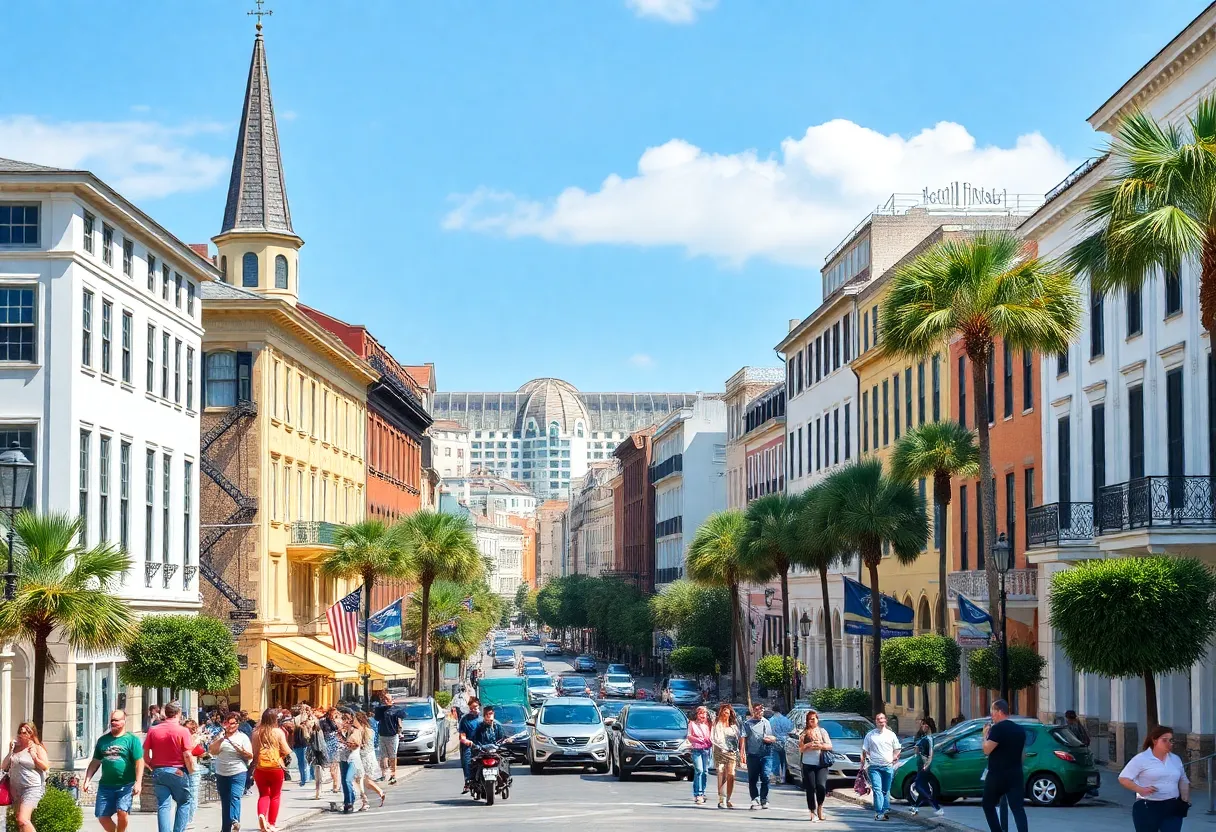
The combined impact of hotel and short-term rental lodging amounted to $1.55 billion, reinforcing Charleston’s position as a key player in the state’s overall tourism sector. The city’s unique cultural landscape and historic architecture have led to comparisons with European cities, further bolstering its appeal to tourists. Most attractions are located within walking distance in the peninsula area, allowing for reduced vehicle traffic and a more intimate experience with the city’s offerings.
Charleston’s upward trend in tourism comes amid an ongoing population growth, with an average of 34 new residents moving to the city daily. This growth not only impacts local traffic dynamics but also positions the city to benefit from increased sales tax contributions as tourism flourishes. The hospitality tax has played a crucial role in enabling the city to avoid raising property taxes, thanks to the thriving tourism sector.
In 2024, the tourism industry also created about 1,200 job opportunities, primarily in hospitality and related fields. This created environment has allowed for career advancements, especially for those entering the workforce. The local tourism sector encourages unique experiences, featuring businesses such as Crabbing with Tia and Lowcountry Oyster Co. that highlight the local culture and attract even more visitors.
Overall, the tourism sector has emerged as a unifying force that not only enhances the local economy but also provides opportunities for residents and small businesses alike. With its continued growth projected, Charleston remains committed to appealing to both seasoned travelers and first-time visitors who seek to experience its rich history and vibrant culture.
Deeper Dive: News & Info About This Topic
- Greenville Business Magazine: Top Workplaces – The 2025 Winners
- Wikipedia: Tourism in the United States
- CHS Today: Top Industries and Employers in the Charleston Metro Area
- Google Search: Charleston South Carolina Tourism
- Charleston City Paper: Meet the Best of Charleston 2025
- Google Scholar: Charleston Tourism Economic Impact
- The State: Charleston Recognized
- Encyclopedia Britannica: Charleston
- Condé Nast Traveler: Best Restaurants in Charleston
- Google News: Charleston South Carolina Restaurants
- National Geographic: Park Circle Travel Guide – Charleston
- U.S. News: Job Growth in Carolina Cities