

Greenville, South Carolina, August 27, 2025
News Summary
The Conestee Dam in Greenville, South Carolina has been successfully replaced ahead of schedule, a project costing $47.2 million aimed at enhancing environmental safety. The deteriorating old dam, operational since 1892, posed risks due to the toxic sediments it contained. With bipartisan support, the replacement marks a pivotal moment for local communities who had long awaited this crucial upgrade. Further enhancements to ensure the dam’s longevity are planned, reinforcing the commitment to public health and safety.
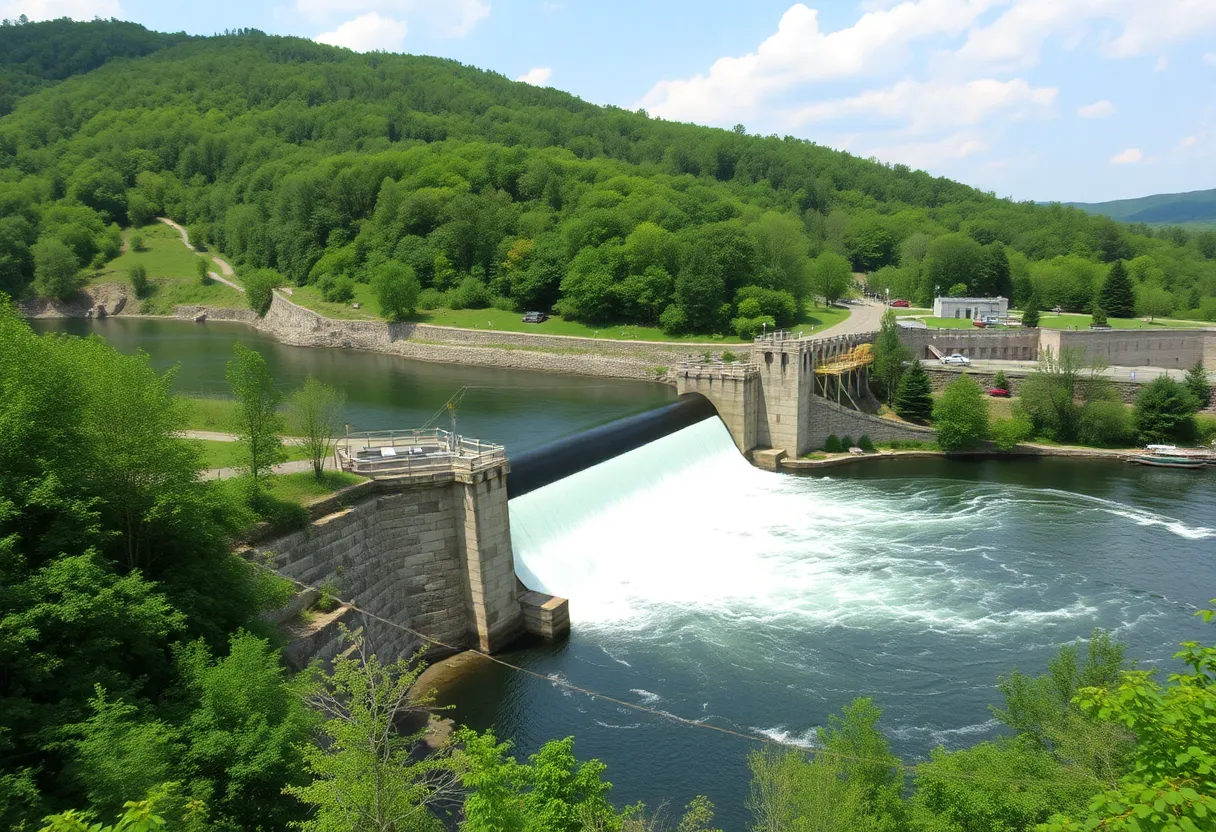
Greenville, South Carolina – The long-awaited replacement of the Conestee Dam has been successfully completed ahead of schedule, marking a significant step toward environmental safety and stability for the surrounding communities. The project, which began with major funding initiatives, was completed at a cost of $47.2 million and involves critical changes to mitigate risks associated with hazardous sediments.
The initial dam was constructed in 1892 and had been deteriorating significantly over the years. After numerous discussions regarding responsibility and funding, the state allocated $36 million to kick-start the replacement project. The new dam is expected to have a lifespan comparable to the original structure, which stood for nearly 134 years, despite being designed for only 50 years of use.
Environmental authorities have expressed urgent concerns regarding the old dam, citing its role in containing millions of cubic yards of toxic sediments. These sediments are known to contain hazardous materials, such as polychlorinated biphenyls (PCBs) and polynuclear aromatic hydrocarbons (PAHs), which pose serious health risks to the public. In the event of a dam failure, a catastrophic release of these toxic sediments could contaminate the Reedy River and subsequent lakes, which serve as essential drinking water sources for several counties.
The urgency of this project was underscored by recent heavy flooding events, which raised alarms about the potential for dam failure. As of this week, water has started to flow over the newly constructed dam, which is positioned just downstream from the old structure. The project team is set to complete additional tasks, including grass planting and the removal of the old dam, by the end of October.
Kelly Lowry, director of the Lake Conestee Dam Restoration Project, noted that the new dam represents a relief for residents downstream who have long awaited this critical safety upgrade. Inspections of the previous dam had rated it as being in “poor” condition and highlighted its classification as highly hazardous, necessitating immediate action for its replacement.
This project has been marked by significant bipartisan cooperation among local lawmakers and agencies, demonstrating a collective commitment to resolving environmental hazards and safeguarding public health. The existing dam had historically functioned as a barrier against hazardous waste resulting from past industrial activities, and its replacement is intended to enhance not just safety but also the ecological integrity of the surrounding areas.
Future work on the new dam includes the installation of a steel bulkhead and additional structural reinforcements to ensure its security and longevity. These enhancements further solidify the goal of maintaining a robust infrastructure to protect both the environment and the communities that depend on it.
Key Features of the Conestee Dam Replacement Project
| Feature | Details |
|---|---|
| Initial Construction Year | 1892 |
| Replacement Project Cost | $47.2 million |
| State Funding Allocation | $36 million |
| Expected Lifespan of New Dam | At least as long as the original 134 years |
| Hazardous Materials Contained | PCBs and PAHs |
| Completion Timeline | Ahead of schedule, with further tasks to finish by end of October |
| Future Works | Installation of steel bulkhead and structural reinforcements |
FAQs
Why was the Conestee Dam replaced?
The Conestee Dam was replaced due to its deteriorating condition and classification as highly hazardous, especially because it held back millions of cubic yards of toxic sediments.
What were the risks associated with the old dam?
The risks included potential failure of the dam, which could have led to the release of cancer-causing sediments into the Reedy River, affecting drinking water sources for multiple counties.
What is the expected lifespan of the new dam?
The new dam is designed to last for at least as long as the original structure, which was 134 years despite being designed for a 50-year lifespan.
How was the project funded?
The project was funded through a combination of state allocations totaling $36 million and additional resources contributing to the overall cost of $47.2 million.
Deeper Dive: News & Info About This Topic
HERE Resources
Emergency Repairs Lead to Ashmore Bridge Road Closure
Tipsy Taco Closes on Augusta Road, New Concept Emerging
GE Vernova Acquires Production Facility in Greenville
Greenville City Council Approves Major Infrastructure Developments
Additional Resources
- WYFF4: Conestee Dam Replacement Ahead of Schedule
- Wikipedia: Dams
- Greenville Journal: $40M Conestee Dam Project Gets Underway
- Google Search: Conestee Dam replacement
- Index Journal: Conestee Dam Project Nears Completion
- Google Scholar: Conestee Dam
- Post and Courier: Lake Conestee Dam Replacement
- Encyclopedia Britannica: Dam Safety
- WYFF4: Conestee Dam Groundbreaking
- Google News: Conestee Dam updates


Author: STAFF HERE GREENVILLE
The HERE Greenville Staff Writers are a collaborative team of journalists, editors, and local contributors passionate about delivering accurate, timely information to the Greenville community. As part of the HEREcity.com Network, which powers over 100 U.S. city sites including HEREcolumbia.com, our staff draws on collective experience in South Carolina journalism to cover everything from business sales and real estate developments to dining deals and community initiatives. Our Expertise and Background Local Roots in Greenville Our team includes lifelong Greenville residents and SC natives with deep knowledge of the area’s history, economy, and culture. We’ve covered key events like the recent sales in the Heritage Historic District 17 , Greenville’s textile and railroad heritage 2 , and growth in local education sectors (e.g., Greenville Technical College programs) 27 . Collective Experience With over 50 combined years in journalism, our staff has backgrounds in print, digital media, and community reporting. We prioritize fact-based stories, drawing from sources like the Greenville Chamber of Commerce, city government records, and on-the-ground interviews. Commitment to Quality Every article is a group effort, involving research, editing, and verification to ensure reliability. We adhere to journalistic standards, citing credible sources and updating content as new details emerge.