

News Summary
South Carolina’s hemp industry faces significant challenges due to red imported fire ants, which have increased damage to crops drastically. Dr. Allison Justice shares her experience battling these pests, highlighting the importance of proactive measures and proper pest management techniques. After implementing an insect growth regulator, she reports a substantial reduction in ant activity and crop damage, offering insights for fellow growers on managing infestations effectively.
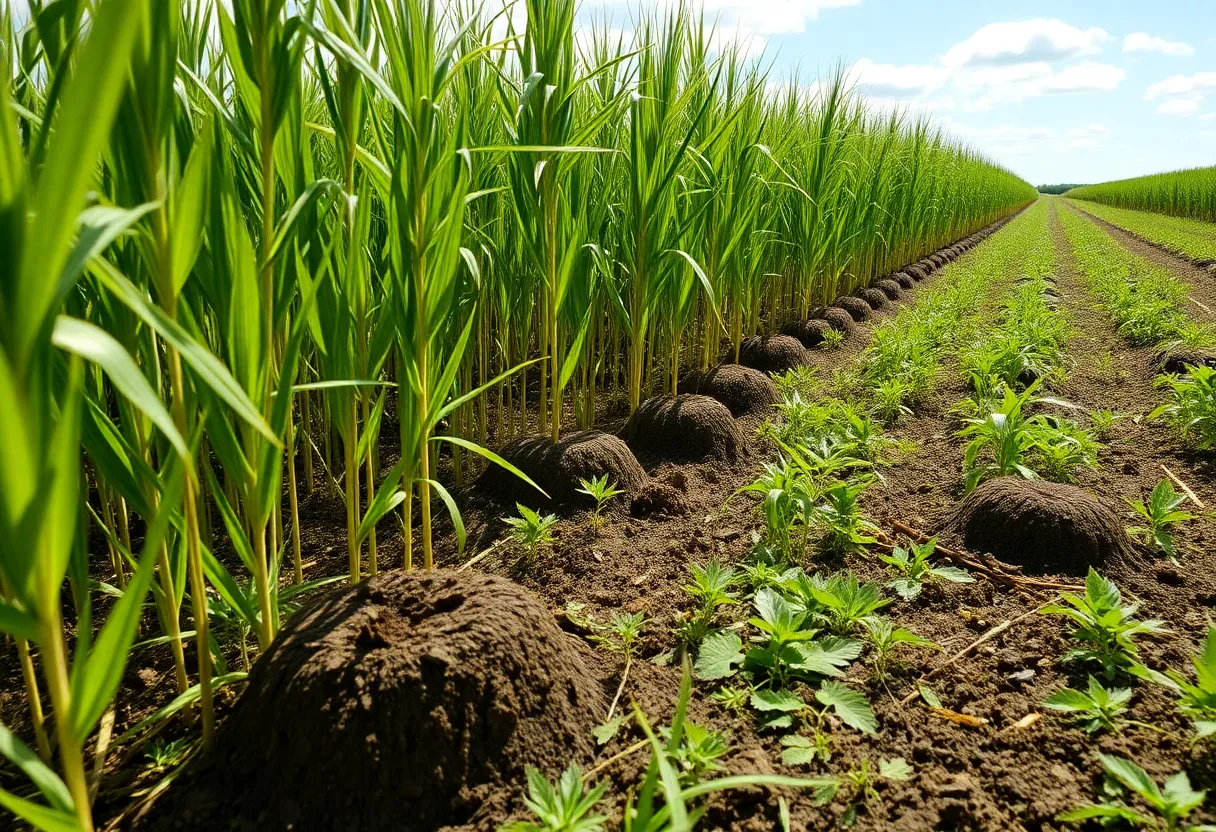
South Carolina is grappling with the significant impact of red imported fire ants (Solenopsis invicta) on agricultural practices, particularly in the hemp industry. Dr. Allison Justice, the founder and CEO of the Cannabis Research Coalition and The Hemp Mine, reported that her half-acre hemp plot located near Clemson University has experienced a dramatic increase in damage due to these pests, with losses escalating from just 1% in previous years to an alarming 35% this year.
Fire ants have become a growing concern for Justice, as they construct large mounds and inflict serious harm on her hemp plants. In early September, Justice highlighted the severity of the situation by sharing videos on LinkedIn that illustrated the extent of the damage and the active presence of the ants around her crops. This sudden explosion in the ant population is believed to stem from environmental factors, such as weather changes, alongside the tilling of pastures which has created conducive conditions for their proliferation.
Justice initially misidentified the telltale signs of fire ants as mouse activity due to the deep tunneling present around her plants. However, upon further investigation, she recognized the crucial need for an effective solution to mitigate the damage caused by these invasive insects. Through extensive research, Justice pinpointed an insect growth regulator designed specifically to disrupt the feeding behavior of fire ants. She ultimately decided to use S-methoprene, a compound known to impede juvenile ant development and annihilate entire colonies upon consumption.
The application of the Extinguish Professional Fire Ant Bait, which contains S-methoprene, proved to be a turning point for Justice’s hemp crops. Four weeks following the treatment, she noted a marked decline in damage and a cessation of ant nesting activity in her fields. This outcome underscores the significance of carefully evaluating and adhering to state regulations concerning pesticide use, as not all compounds may be permitted for use in every jurisdiction.
Justice offers a crucial piece of advice for her fellow growers facing similar challenges: proactive measures are essential in understanding and addressing fire ant infestations. Observing and identifying ant mounds, which can reach heights of up to 2.5 feet, is vital. Additionally, it is important for growers to familiarize themselves with the biology of these pests to develop effective management strategies.
Despite the challenges posed by fire ants, Justice remains optimistic and believes that with the successful implementation of her strategies, she is now in a favorable position to see her hemp crops through to harvest. This situation serves as a valuable case study for other farmers facing similar adversities from red imported fire ants, emphasizing the necessity of awareness, research, and timely intervention in agricultural pest management.
As fire ants continue to threaten crops across South Carolina and beyond, the experience of growers like Justice highlights the pressing need for sustainable pest control practices. The intersection of agriculture and pest management is becoming increasingly crucial, particularly as climate change and changes in land use lead to evolving pest dynamics.
Deeper Dive: News & Info About This Topic
- Cannabis Business Times: Red Imported Fire Ants Ravage South Carolina Hemp Crop
- Wikipedia: Fire Ant
- Farm Progress: Deer Public Enemy Number One for S.C. Farmers
- Google Search: South Carolina agriculture
- Farm Progress: Know the Critical Point When Weeds Cause Largest Yield Loss
- Google Scholar: Pest Management in Agriculture
- Farm Progress: Some South Carolina Watermelon Growers Report Crop is Twice Normal Size
- Encyclopedia Britannica: Agriculture
- Farm Progress: South Carolina Cotton Acres Expected to Increase in 2017
- Google News: South Carolina crops


Author: STAFF HERE GREENVILLE
The HERE Greenville Staff Writers are a collaborative team of journalists, editors, and local contributors passionate about delivering accurate, timely information to the Greenville community. As part of the HEREcity.com Network, which powers over 100 U.S. city sites including HEREcolumbia.com, our staff draws on collective experience in South Carolina journalism to cover everything from business sales and real estate developments to dining deals and community initiatives. Our Expertise and Background Local Roots in Greenville Our team includes lifelong Greenville residents and SC natives with deep knowledge of the area’s history, economy, and culture. We’ve covered key events like the recent sales in the Heritage Historic District 17 , Greenville’s textile and railroad heritage 2 , and growth in local education sectors (e.g., Greenville Technical College programs) 27 . Collective Experience With over 50 combined years in journalism, our staff has backgrounds in print, digital media, and community reporting. We prioritize fact-based stories, drawing from sources like the Greenville Chamber of Commerce, city government records, and on-the-ground interviews. Commitment to Quality Every article is a group effort, involving research, editing, and verification to ensure reliability. We adhere to journalistic standards, citing credible sources and updating content as new details emerge.