

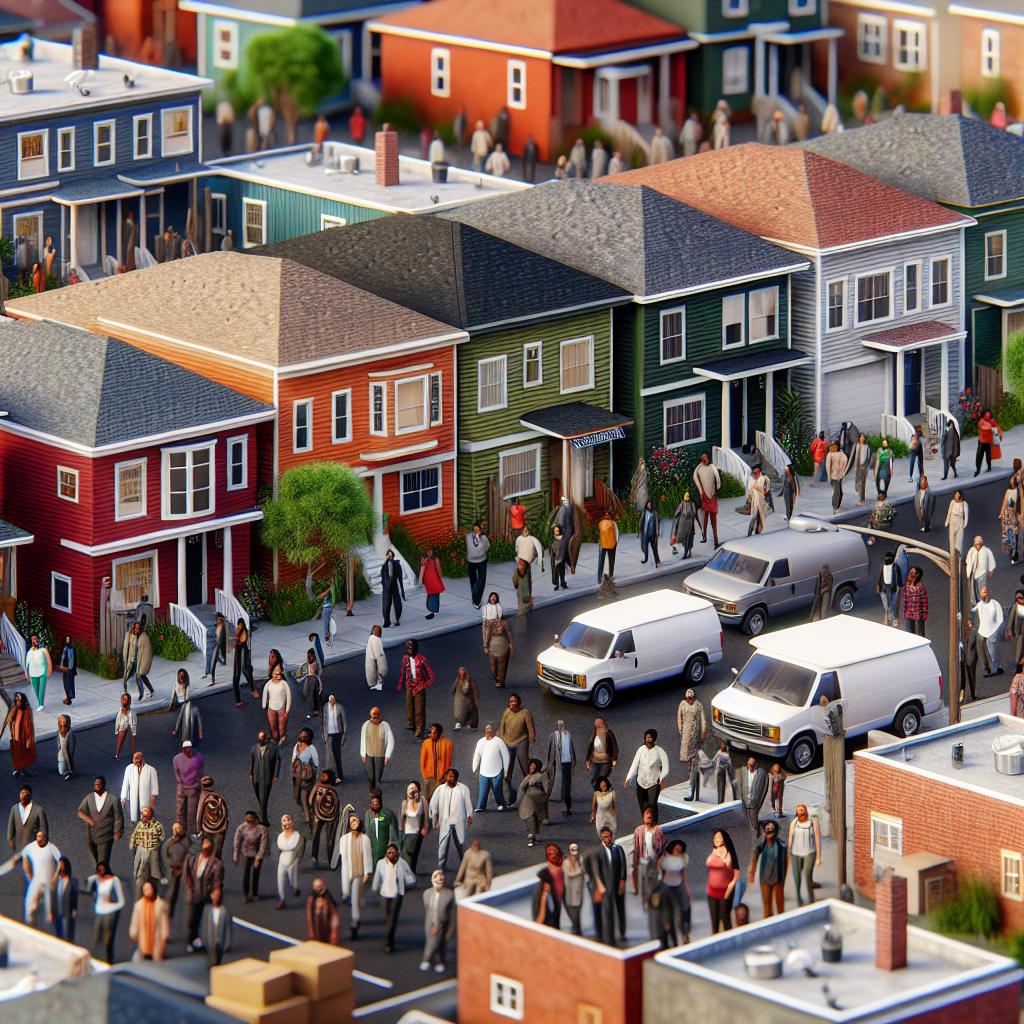
Furman University study examines impact of racial displacement in Greenville
GREENVILLE, S.C. (AP) — A recent study conducted by researchers at Furman University sheds light on the impact of racial displacement in the city of Greenville. The study, led by Dr. Ken Kolb from Furman University’s Sociology Department and the Shi Institute for Sustainable Communities, reveals significant findings regarding the changes in historically Black neighborhoods in Greenville.
Racial Displacement Highlights
The study discovered that between 2021 and 2022, Greenville experienced a notable shift as the city lost around 3,000 Black residents. According to Dr. Kolb, this period marked the largest drop in the percentage of the Black population in Greenville since such statistics were recorded by the census.
Factors Contributing to Racial Displacement
Dr. Kolb attributes this racial displacement to income inequality between Black and White households in the city. Data indicates that White households in Greenville earn 2.7 times more than the median Black household, creating a disparity that affects housing affordability and access for Black residents.
Role of Place-Based Investment
One of the main drivers of racial displacement identified in the study is what Dr. Kolb refers to as “place-based investment.” This concept involves cities investing in improving and beautifying neighborhoods, which, in turn, attracts outsiders interested in living in those areas. This increased demand for housing leads to rising prices, making it challenging for existing residents, particularly Black communities, to afford to live in these neighborhoods.
Proposed Solutions
To address the issue of racial displacement, Dr. Kolb recommends a multifaceted approach. He suggests that the city of Greenville should focus on creating more affordable housing options and investing in initiatives that support the local community. This includes providing job training programs, accessible childcare services, and improved public transportation to help residents increase their incomes and cope with rising housing costs.
Dr. Kolb emphasizes the importance of a balanced approach, stating that merely enhancing the physical aspects of neighborhoods without investing in the well-being of the people who live there can inadvertently result in the displacement of those the efforts aim to assist.
Conclusion
The findings of the Furman University study offer valuable insights into the dynamics of racial displacement in Greenville and provide a foundation for discussions and actions aimed at promoting equitable and inclusive urban development in the city.