

Greenville, September 29, 2025
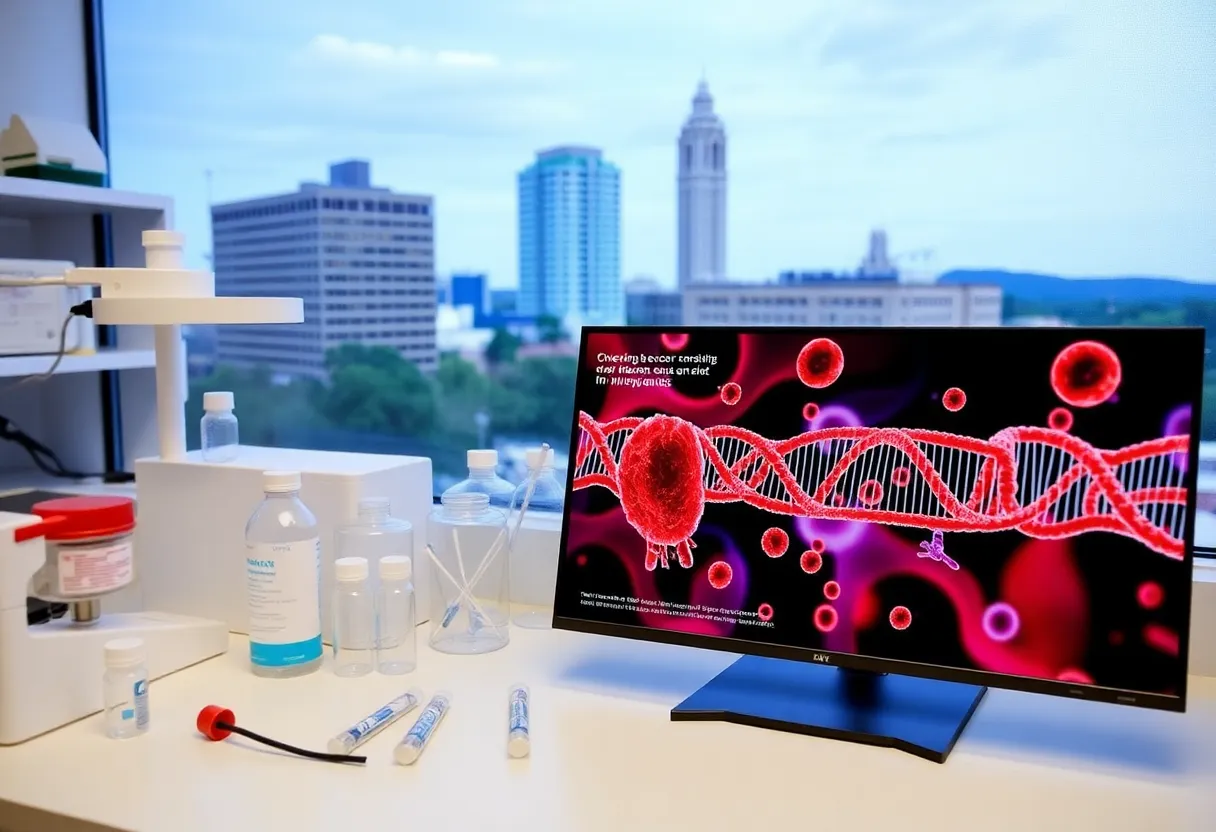
Greenville offers a unique perspective on cutting-edge cancer research, focusing on breast and lung cancers. This article discusses the impact of biomedical advancements on local health, emphasizing community involvement and informed conversations about health initiatives. By understanding tyrosine kinase receptors, microRNAs, and dietary influences, both residents and visitors can benefit from current research trends and improve their health discussions, paving the way for better early detection and treatment strategies.
Science Meets Main Street: What Greenville Visitors and Locals Should Know About Cutting-Edge Cancer Research
Greenville folks love a good story: a surprising angle, a human connection, and something that matters. Here’s one that ties biomedical research to everyday life — and yes, it matters to visitors and residents in Greenville, SC. Think of this as a lively, no-fluff briefing on modern cancer science you can actually use when talking with friends over coffee on Main Street.
Why this matters to Greenville
Greenville is a community that cares about health — local hospitals, clinics, caregivers, and families all benefit when research advances. Even if you’re just passing through for a weekend of food and waterfalls, knowing how scientists study cancer makes you sharper at asking the right questions at the doctor’s office or when you support local health initiatives.
What the research is focused on — in plain talk
At the heart of the science are investigations into how breast and lung cancers start and grow. Researchers use lab-grown tumor cells and specially bred mice to mimic what happens in people. They study proteins that sit on cell surfaces (called tyrosine kinase receptors) which act like on/off switches for cell growth. When those switches get stuck in the “on” position, tumors can form and spread.
Another hot topic is tiny bits of genetic material known as microRNAs. These act like molecular dimmer switches — they can dial gene activity up or down. Changes in microRNAs can push cells toward cancerous behavior or help stop it, so understanding them opens doors for new diagnostics and treatments.
And here’s a human-interest twist that might surprise you: diet is on the radar. Scientists are exploring whether components of soy might protect against mammary tumors. This kind of research doesn’t give quick answers, but it informs the bigger picture on prevention and lifestyle factors.
Tools of the trade — explained simply
- Transgenic and knockout mice: Mice engineered to add or remove specific genes to see how tumors behave without those genes.
- Human and mouse tumor cell lines: Tumor cells grown in labs to run experiments fast and repeatably.
- Signaling studies: Looking at how cells communicate via proteins so scientists can find weak spots for treatment.
- Dietary intervention tests: Studying whether foods or nutrients influence cancer risk or progression.
What’s the practical payoff for Greenville residents and visitors?
This research feeds into:
- Better ways to spot cancer early through biological markers.
- Smarter, targeted therapies that block the exact signals tumors use to grow.
- Potential advice about diet and prevention grounded in lab findings.
Where to get more information — responsibly
If you want deeper dives into published work, scientific journals publish experimental results and reviews. Health professionals — family doctors, oncologists, and local clinics — can translate research into personal advice. For Greenville visitors, a smart stop is simply asking about clinical resources or wellness programs available locally; knowing the science helps make those conversations more useful.
Quick facts strip
Research targets: Breast and lung cancer initiation, progression, and spread.
Key methods: Mouse models, tumor cell lines, molecular signaling, microRNA analysis, diet studies.
Goal: Better diagnostics and therapies; improved prevention strategies.
Want to connect or learn more?
Researchers typically list contact details for academic correspondence. If you’re local and want to stay informed about scientific developments, consider checking university outreach events, public lectures, or health-focused community programs — these are the places where complex lab work gets translated into neighborhood-relevant knowledge.
FAQ
1. What exactly are tyrosine kinase receptors and why do they matter?
Tyrosine kinase receptors are proteins on cell surfaces that relay growth signals. When they malfunction, cells can divide uncontrollably, which is a hallmark of cancer. Targeting these receptors is a major path for cancer drugs.
2. Are mouse studies reliable for human cancer research?
Mouse models help scientists test ideas quickly and safely. They don’t replicate humans perfectly, but they reveal mechanisms and point to promising directions that can later be validated in human studies.
3. Could eating soy prevent breast cancer?
Some lab studies suggest components of soy might influence tumor development, but evidence in people is mixed. Diet can be part of a prevention strategy, but it shouldn’t replace medical advice or screening.
4. How can Greenville residents use this information?
Use it to ask better questions at medical visits, support community health programs, and weigh prevention strategies. Staying informed helps the community make smarter health decisions.
5. Where can visitors learn more when they’re in town?
Look for public lectures, university outreach events, or community health programs. Local healthcare providers can also point visitors to trustworthy resources.
Snapshot Chart: Key Research Features
| Feature | What it is | Why Greenville should care |
|---|---|---|
| Breast & Lung Focus | Studies mechanisms of tumor start and spread | Improves early detection and relevant local health messaging |
| Mouse Models | Engineered animals to test gene function | Accelerates discovery of potential treatments |
| Tyrosine Kinase Signaling | Cell-surface protein switches controlling growth | Targets for precision therapies used in clinics |
| MicroRNA Research | Small regulators of gene activity | Could lead to new diagnostics or therapies |
| Dietary Soy Studies | Nutrition’s role in tumor risk | Informs prevention guidance for the community |
Whether you’re a Greenville native or just visiting to enjoy the Swamp Rabbit Trail and the restaurants downtown, the science behind cancer research has local relevance. Stay curious, ask questions, and support clear, evidence-based health conversations in your neighborhood.
Deeper Dive: News & Info About This Topic
HERE Resources
MUSC Health Breaks Ground on New Indian Land Hospital
Remembering Jean Cordell Pennington of Easley, SC
Cyclists Embark on Challenge to Conquer Cancer Charity Ride
Prisma Health Reopens Expanded Pediatric Cancer Unit in Greenville
Funding Battle: U.S. Judge Challenges Trump’s Cuts to Harvard
Beloved Dr. Samantha Garza Passes Away After Cancer Fight
South Carolina Plans New Comprehensive Cancer Hospital
South Carolina Plans New Dedicated Cancer Hospital in Charleston
South Carolina to Build First Dedicated Cancer Hospital
Hollings Cancer Center’s Economic Impact in South Carolina

Author: STAFF HERE GREENVILLE
The HERE Greenville Staff Writers are a collaborative team of journalists, editors, and local contributors passionate about delivering accurate, timely information to the Greenville community. As part of the HEREcity.com Network, which powers over 100 U.S. city sites including HEREcolumbia.com, our staff draws on collective experience in South Carolina journalism to cover everything from business sales and real estate developments to dining deals and community initiatives. Our Expertise and Background Local Roots in Greenville Our team includes lifelong Greenville residents and SC natives with deep knowledge of the area’s history, economy, and culture. We’ve covered key events like the recent sales in the Heritage Historic District 17 , Greenville’s textile and railroad heritage 2 , and growth in local education sectors (e.g., Greenville Technical College programs) 27 . Collective Experience With over 50 combined years in journalism, our staff has backgrounds in print, digital media, and community reporting. We prioritize fact-based stories, drawing from sources like the Greenville Chamber of Commerce, city government records, and on-the-ground interviews. Commitment to Quality Every article is a group effort, involving research, editing, and verification to ensure reliability. We adhere to journalistic standards, citing credible sources and updating content as new details emerge.