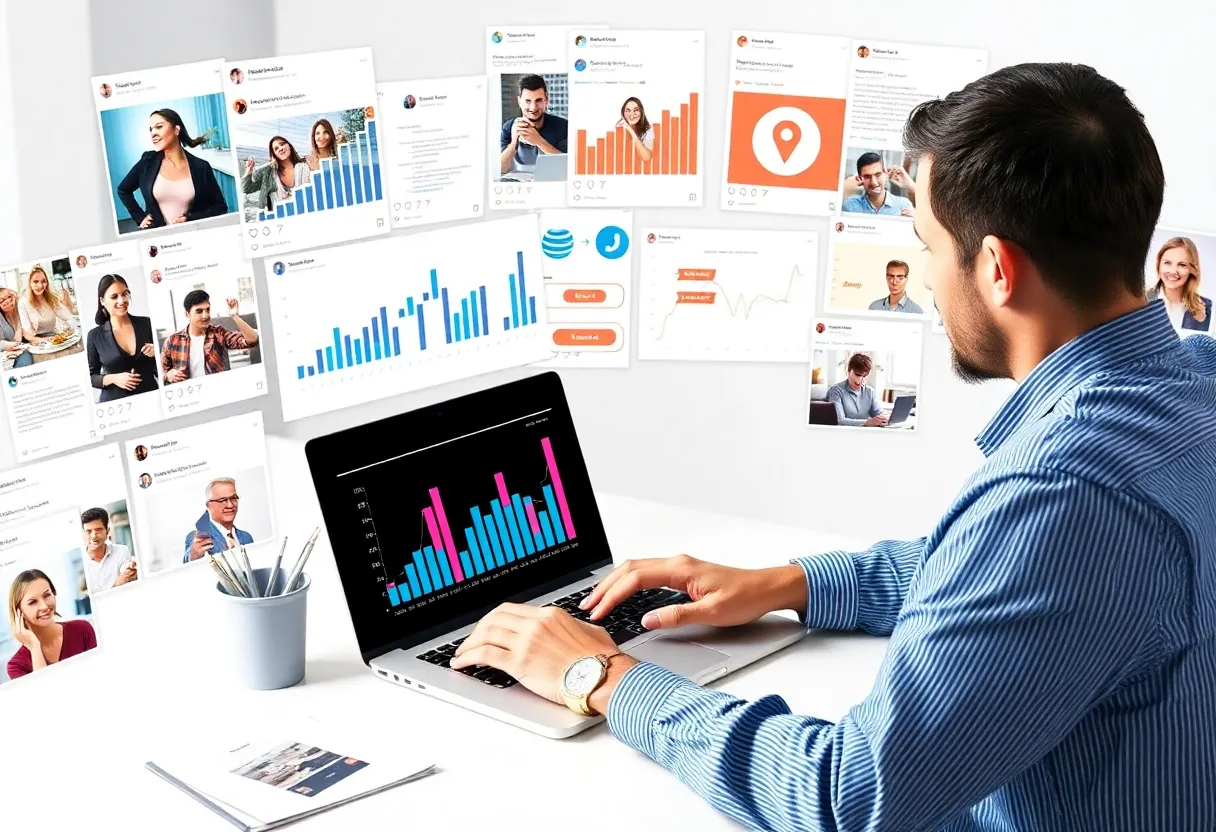



How Can You Utilize Multichannel Marketing to Elevate Your Digital Strategy?
In today’s fast-paced digital landscape, companies are constantly looking for innovative ways to reach their audiences. One effective approach is multichannel marketing, a strategy that integrates multiple channels to connect with customers. This article will demonstrate how to leverage multichannel marketing to elevate your digital strategy, focusing on key components that will help you maximize your impact.
Understanding Multichannel Marketing
Multichannel marketing refers to the practice of using various channels to engage customers throughout their buying journey. These channels can include social media, email, websites, offline retail, and more. A multichannel approach is essential because it allows businesses to meet customers where they are, fostering stronger relationships and enhancing the overall user experience.
Benefits of Multichannel Marketing
- Increased Reach: Engaging with customers across multiple platforms allows brands to extend their reach and target different customer segments effectively.
- Improved Customer Engagement: By utilizing various content formats and channels, brands can foster a deeper connection with their audience.
- Higher Conversion Rates: A consistent presence across channels can lead to improved conversion rates as customers receive messages through their preferred platforms.
- Enhanced Data Collection: Multichannel marketing allows businesses to gather data from various touchpoints, leading to richer customer insights.
Core Components of a Multichannel Marketing Strategy
1. Audience Segmentation
Before rolling out a multichannel strategy, it is crucial to segment your audience. Segmenting allows you to tailor your messages to specific groups, increasing the chances of engagement. Use demographic, behavioral, and psychographic data to identify distinct customer profiles. By understanding your audience’s preferences, you can choose the appropriate channels and messaging.
2. Consistent Branding
Regardless of the channel, it is essential to maintain a consistent brand voice and visual identity. Consistency builds trust and makes your brand more recognizable. Develop brand guidelines that outline your messaging, tone, and visual elements to ensure uniformity across all channels.
3. Channel Selection
Selecting the right channels is a critical step in your multichannel marketing strategy. Consider where your target audience spends their time and which channels are most effective for your industry. Common channels include:
- Social Media: Engage your audience on platforms like Facebook, Instagram, LinkedIn, and Twitter.
- Email Marketing: Use personalized email campaigns to nurture leads and drive conversions.
- Content Marketing: Provide value through blogs, videos, and infographics that resonate with your audience.
- Paid Advertising: Use Pay-Per-Click ads, social media ads, and retargeting strategies for heightened visibility.
4. Integrated Campaigns
An effective multichannel strategy includes integrated campaigns that provide a cohesive message across channels. Develop campaigns where each channel complements the others. For instance, if a campaign starts on social media, it should guide users toward a landing page optimized for conversions, maintaining the same message. This reinforces your branding and improves the customer journey.
5. Data Analytics and Tracking
Utilizing data analytics is essential for measuring the effectiveness of your multichannel marketing efforts. Implement tracking tools to gather insights on customer interactions and engagement levels across channels. Analyze these metrics to determine which channels are performing well and where adjustments may be necessary. Regularly assessing your data allows for a continuous improvement approach.
Creating Engaging Content for Multiple Channels
Engaging content is at the heart of a successful multichannel marketing strategy. Here are ways to create compelling content tailored to your various channels:
1. Tailor Your Message
Different channels necessitate different messaging. The same information may not resonate across all formats. For instance, a professional tone works well for LinkedIn, while a more casual approach may be better suited for Instagram. Understand the nuances of each platform to adapt your content accordingly.
2. Use Visuals Effectively
Visual content, such as images and infographics, engages users more than text alone. Invest in quality visuals that communicate your brand message effectively. Infographics, in particular, can condense complex information into digestible formats that resonate well across channels.
3. Encourage User-Generated Content
User-generated content (UGC) fosters a sense of community and encourages customer engagement. Encourage customers to share their experiences with your brand on social media, and consider featuring their content on your channels. This not only builds trust but also expands your authentic reach.
Overcoming Challenges in Multichannel Marketing
While there are significant benefits to multichannel marketing, challenges can arise. Here are common hurdles and strategies to overcome them:
1. Consistency Across Channels
Ensuring brand consistency can be difficult when multiple teams manage different channels. Regular communication and collaboration are vital. Establish a centralized system where team members can access brand guidelines, assets, and campaign plans.
2. Measuring ROI
Determining the return on investment (ROI) for multichannel efforts can be complex. Use a combination of metrics to evaluate success, including customer acquisition costs, conversion rates, and customer lifetime value. Develop a clear framework for assessing the effectiveness of each channel and adjust your strategy as needed.
3. Integrating Technologies
Modern marketing relies on technologies that facilitate multichannel strategies. However, integrating various tools can be challenging. Select versatile tools that integrate well with each other to streamline your processes and ensure seamless collaboration.
Best Practices to Optimize Your Multichannel Marketing
1. Personalization
Personalization is essential for enhancing customer experience. Use data to identify customer preferences and tailor messages accordingly. Personalized emails and targeted ads often yield higher engagement rates compared to generic content.
2. Timing and Frequency
Finding the optimal timing and frequency for reaching out to your audience is critical. Use analytics to determine when users are most active on different channels. Striking a balance in frequency is key—too many messages can lead to customer fatigue, while too few can diminish brand presence.
3. A/B Testing
Implement A/B testing to experiment with different messages, content formats, and channel strategies. Testing allows you to identify what resonates best with your audience and optimize your campaigns accordingly. It’s a data-driven approach that can significantly enhance your marketing efficacy.
Conclusion
Utilizing multichannel marketing effectively can significantly elevate your digital strategy. By focusing on key components—such as audience segmentation, consistent branding, channel selection, and data analysis—you position your brand for success. Prioritizing personalized messaging and optimizing content for various channels will facilitate deeper customer engagement and ultimately drive conversions.
In a highly competitive marketplace, adopting a multichannel marketing approach is not just an option; it is a necessity for businesses looking to enhance their digital presence and ensure long-term growth. By understanding the complexities and challenges associated with multichannel strategies, marketers can craft effective, cohesive campaigns that resonate with their audience.

Author: STAFF HERE GREENVILLE
The HERE Greenville Staff Writers are a collaborative team of journalists, editors, and local contributors passionate about delivering accurate, timely information to the Greenville community. As part of the HEREcity.com Network, which powers over 100 U.S. city sites including HEREcolumbia.com, our staff draws on collective experience in South Carolina journalism to cover everything from business sales and real estate developments to dining deals and community initiatives. Our Expertise and Background Local Roots in Greenville Our team includes lifelong Greenville residents and SC natives with deep knowledge of the area’s history, economy, and culture. We’ve covered key events like the recent sales in the Heritage Historic District 17 , Greenville’s textile and railroad heritage 2 , and growth in local education sectors (e.g., Greenville Technical College programs) 27 . Collective Experience With over 50 combined years in journalism, our staff has backgrounds in print, digital media, and community reporting. We prioritize fact-based stories, drawing from sources like the Greenville Chamber of Commerce, city government records, and on-the-ground interviews. Commitment to Quality Every article is a group effort, involving research, editing, and verification to ensure reliability. We adhere to journalistic standards, citing credible sources and updating content as new details emerge.