
Columbia, South Carolina To Honor Civil War Hero Robert Smalls With New Statue
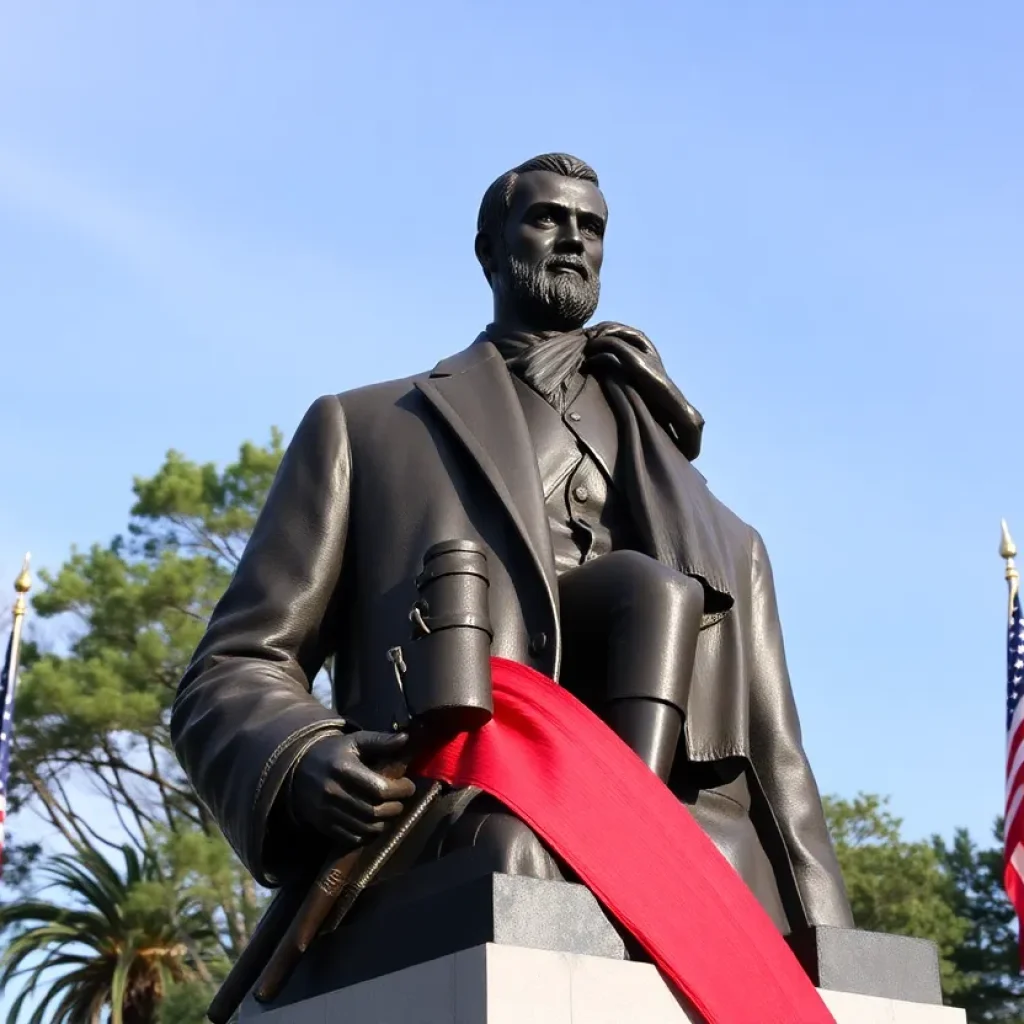
In a historic move, South Carolina is set to erect a statue honoring Robert Smalls, a remarkable figure who escaped slavery to become a hero during the Civil War and a notable politician. This statue will be the first memorial dedicated to an individual Black figure at the South Carolina State House in Columbia.
Legislative Approval and Next Steps
Earlier this year, South Carolina legislators unanimously passed a bill to establish the statue, signaling a strong commitment to recognize Smalls’ contributions. A special commission has been tasked with overseeing this effort, with a deadline of January 15 to finalize the design, location, and funding for the statue. This monument must be funded entirely through donations, and the completion deadline is set for 2028.
The Legacy of Robert Smalls
Robert Smalls was born into slavery in 1839 in Beaufort, South Carolina. At just 12 years old, he was hired out as a waiter and dock worker in Charleston. In 1856, he married Hannah Jones, but due to their enslaved status, the state did not legally recognize their union. Smalls and Jones welcomed three children together during their time in bondage.
Upon the outbreak of the Civil War in 1861, Smalls was enslaved on a Confederate transport ship named The Planter. On the night of May 12, 1862, Smalls executed a daring plan for freedom. Disguising himself in a Confederate uniform, he and several other enslaved crew members sailed the ship out of Charleston Harbor, evading multiple Confederate checkpoints. He successfully delivered the vessel to a Union blockade, signaling the ship’s freedom for himself and its 16 enslaved passengers.
Heroism and Military Service
Smalls’ audacious act led to his newfound acclaim in the North. Following this, he became a valued pilot for the Union Navy, eventually rising to the rank of captain. His military achievements included commanding The Planter and supporting Union efforts against Confederate troops. By January 1864, he had returned to his hometown, using the funds he earned from the Union Navy to buy his former enslaver’s mansion, which still stands today and is recognized in the National Register of Historic Places.
Post-War Leadership
Following the Civil War, Robert Smalls transitioned into politics, earning a place in the South Carolina House of Representatives and Senate, and eventually serving in the United States Congress. Notably, Smalls played a key role in drafting South Carolina’s Reconstruction-era constitution, which aimed to promote equality and create the state’s public education system.
A Call for Recognition
Despite his significant contributions, some local leaders feel Smalls’ legacy has not been adequately honored. Jermaine Johnson, a Democratic state representative, expressed concerns about the lack of recognition Smalls has received until now, stating, “It’s just a travesty he has not been honored until now.” His life story, which is rich with moments of courage and leadership, has yet to be portrayed on the big screen, indicative of his underappreciated legacy.
Looking Ahead
The upcoming statue of Robert Smalls at the State House lawn is more than just a tribute; it reflects a shift in how South Carolina acknowledges its history. As the commission works to finalize the details, many are hopeful that the monument will serve as a testament to Smalls’ impact on American history and inspire future generations.