

How Can You Use Virtual Events to Attract a Broader Audience in Digital Marketing?
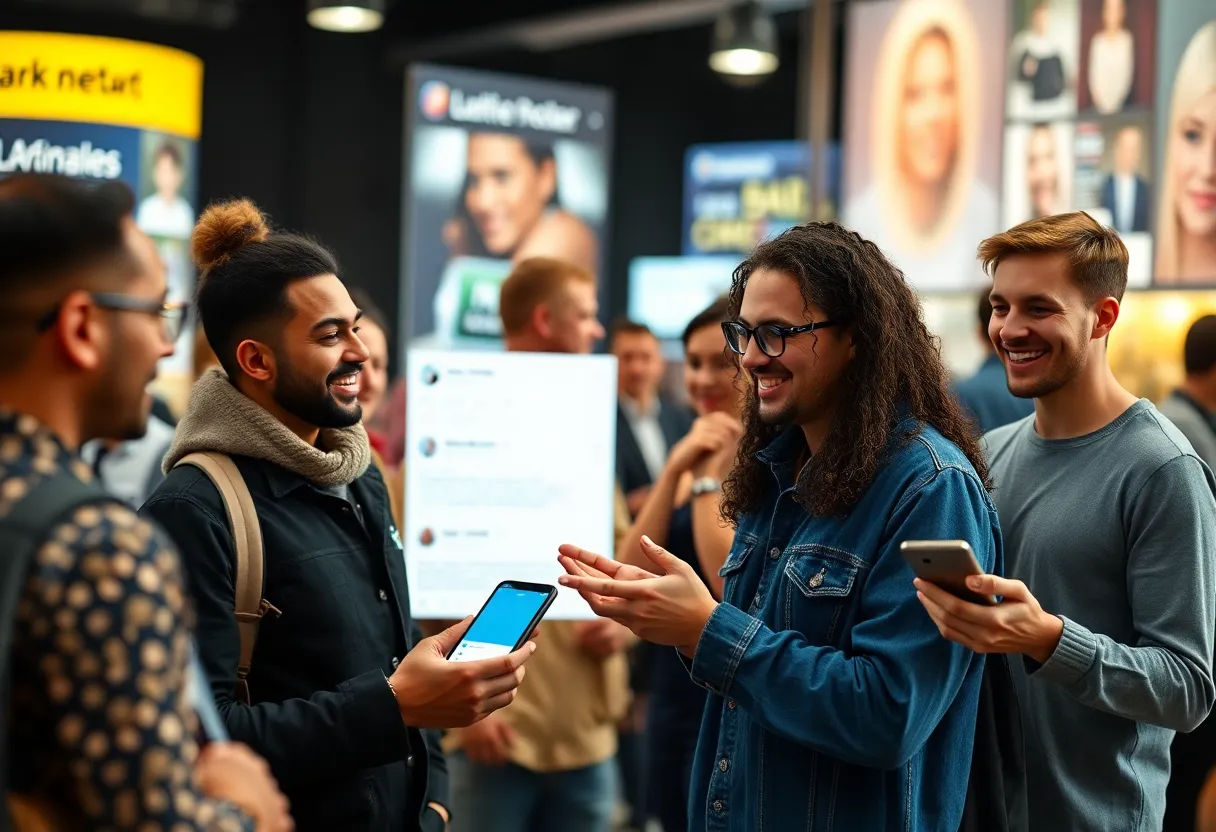
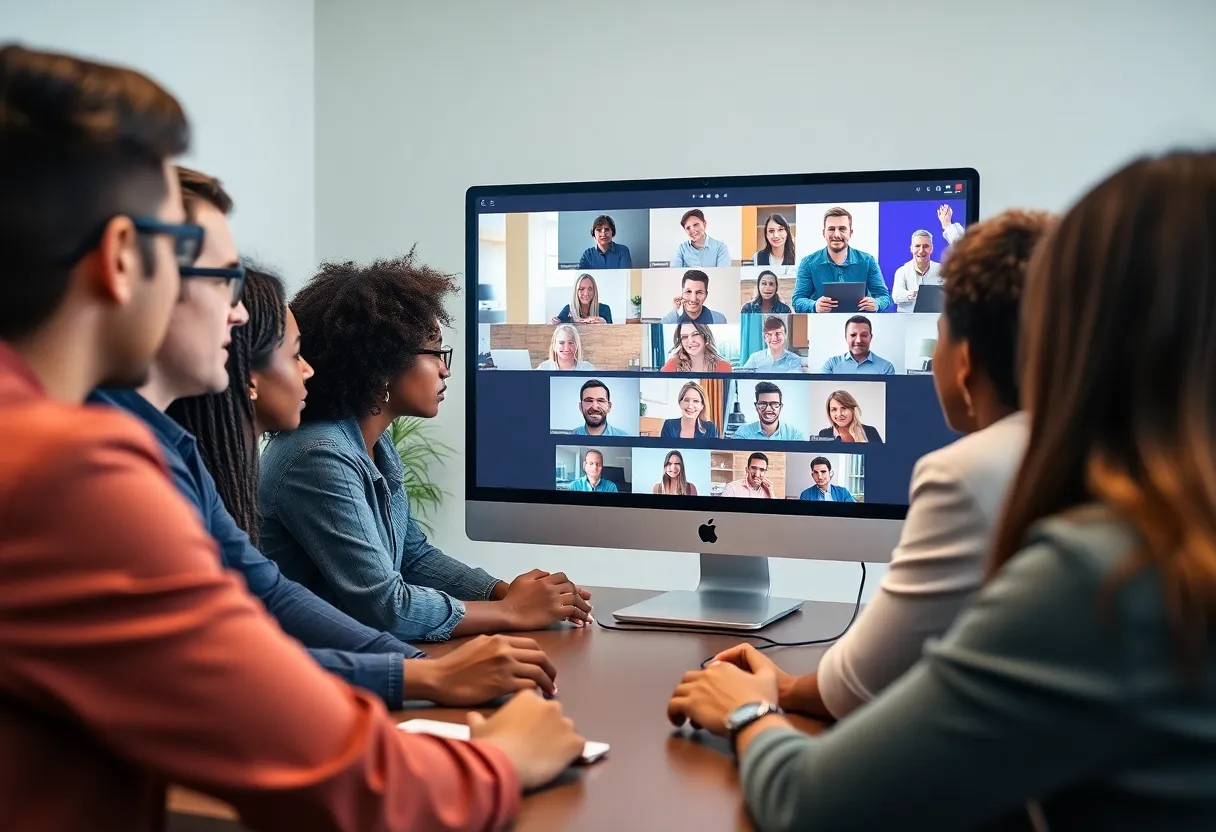
In today’s fast-paced digital world, brands must leverage innovative strategies to stand out. One of these strategies is the utilization of virtual events. Virtual events provide a unique platform to engage audiences from various geographical locations, enhance brand visibility, and effectively promote products and services. This article examines how to utilize virtual events in digital marketing to attract a broader audience.
The Shift to Virtual Events
As technology evolves, so do marketing strategies. Virtual events have gained popularity for several reasons:
- Accessibility: Anyone with an internet connection can participate, regardless of location.
- Cost-effectiveness: Virtual events often cost less to organize than in-person gatherings.
- Flexibility: These events can take various forms, including webinars, live streams, and interactive workshops.
Benefits of Virtual Events in Digital Marketing
Broaden Your Reach
Virtual events allow brands to reach a global audience. By eliminating geographical barriers, businesses can engage with potential customers worldwide. This amplification of reach not only increases visibility but also enhances brand diversity and customer engagement.
Real-time Interaction and Engagement
Virtual events facilitate real-time interaction. Attendees can ask questions, participate in polls, and provide instant feedback. This two-way communication enhances the user experience, making participants feel valued and involved.
Data Collection and Insights
Organizing virtual events presents an opportunity to collect valuable data. Marketers can analyze attendee behavior, preferences, and engagement levels. This data informs future marketing strategies and campaign improvements.
Types of Virtual Events
Webinars
Webinars are informative sessions that allow brands to share knowledge and showcase expertise. They are ideal for educating audiences about products, industry trends, or solutions to common problems. By offering valuable content, brands can attract a larger audience that may not have been familiar with their services.
Live Streams
Live streaming events enable brands to connect with audiences in real-time through platforms like YouTube or Facebook Live. These events can range from product launches to behind-the-scenes tours. The spontaneity of live content creates excitement and engagement, drawing in larger crowds.
Conferences and Trade Shows
Virtual conferences replicate the format of traditional events, allowing brands to host keynote speakers and panel discussions. These larger-scale events attract diverse participants and attract sponsors, enhancing brand credibility.
Workshops
Interactive workshops provide hands-on learning and skill development. Brands can position themselves as thought leaders while providing attendees with actionable skills. This not only attracts participants but also fosters loyalty and brand affinity.
Strategies for Successful Virtual Events
Define Your Objectives
Before organizing a virtual event, establish clear objectives. Identify your target audience and determine what you want to achieve. Are you aiming to generate leads, increase brand awareness, or educate users? A well-defined goal will shape your event’s content and execution.
Create Engaging Content
Content is the heart of any virtual event. Ensure your agenda includes engaging topics that resonate with your audience. Utilize different formats, such as interviews, case studies, or demonstrations, to maintain interest. Remember, high-quality content encourages participation and sharing.
Utilize Technology Effectively
Select a reliable platform that suits your needs. Consider features such as chat functions, Q&A sessions, and breakout rooms for enhanced interaction. Ensure a seamless technical experience by conducting dry runs and testing connectivity beforehand.
Promote Your Event
Reach your audience before, during, and after the event through effective promotion. Utilize social media, email campaigns, and collaborations with influencers to increase visibility. Create engaging promotional materials that highlight the event’s value and drive registration.
Follow-Up and Nurture Relationships
Post-event follow-up is crucial. Send thank-you emails and offer attendees access to recorded content. Use this opportunity to gather feedback and gauge interest for future events. Nurturing these relationships helps convert attendees into loyal customers.
Measuring Success
Evaluating the success of your virtual event involves analyzing key performance indicators (KPIs). Consider metrics such as:
- Attendance Rate: Compare registered participants to those who attended.
- Engagement Levels: Assess how many attendees participated in polls or Q&A sessions.
- Lead Generation: Track the leads generated from the event.
- Feedback Scores: Analyze participant feedback to inform future events.
Case Studies of Successful Virtual Events
Example 1: Tech Company Launch
A tech company held a virtual product launch to introduce its latest software. By utilizing a live stream format, it showcased the software’s features and allowed users to ask questions. The result was a significant increase in website traffic and product inquiries within days of the event.
Example 2: Industry Conference
An organization transitioned its annual conference to a virtual platform. By inviting industry experts and allowing for networking opportunities, the event attracted a wider audience than previous years. The organization saw an uptick in brand recognition and partnership inquiries post-event.
Example 3: Interactive Workshop
A nonprofit conducted a virtual workshop aimed at skill-building for professionals. By offering actionable insights and interaction, the event created significant engagement. Attendee feedback helped the nonprofit refine its future programming and expand its audience base.
Conclusion
Virtual events represent a powerful tool in digital marketing to engage a broader audience. By eliminating geographical barriers and offering interactive experiences, brands can elevate their reach and impact. Implementing effective strategies—including clear goals, engaging content, and strong promotion—will ensure the success of these events. The potential to attract a wider audience is not just a possibility; it is a reality for brands willing to embrace the virtual landscape.

Author: STAFF HERE GREENVILLE
The HERE Greenville Staff Writers are a collaborative team of journalists, editors, and local contributors passionate about delivering accurate, timely information to the Greenville community. As part of the HEREcity.com Network, which powers over 100 U.S. city sites including HEREcolumbia.com, our staff draws on collective experience in South Carolina journalism to cover everything from business sales and real estate developments to dining deals and community initiatives. Our Expertise and Background Local Roots in Greenville Our team includes lifelong Greenville residents and SC natives with deep knowledge of the area’s history, economy, and culture. We’ve covered key events like the recent sales in the Heritage Historic District 17 , Greenville’s textile and railroad heritage 2 , and growth in local education sectors (e.g., Greenville Technical College programs) 27 . Collective Experience With over 50 combined years in journalism, our staff has backgrounds in print, digital media, and community reporting. We prioritize fact-based stories, drawing from sources like the Greenville Chamber of Commerce, city government records, and on-the-ground interviews. Commitment to Quality Every article is a group effort, involving research, editing, and verification to ensure reliability. We adhere to journalistic standards, citing credible sources and updating content as new details emerge.