


How Can You Use Virtual Events to Elevate Your Digital Marketing Engagement?
Introduction
Virtual events have emerged as a powerful tool for digital marketing, reshaping how businesses connect with their audience. They offer unique opportunities to enhance engagement, build relationships, and create memorable experiences. By understanding how to leverage these events effectively, businesses can significantly elevate their digital marketing strategies.
Understanding Virtual Events
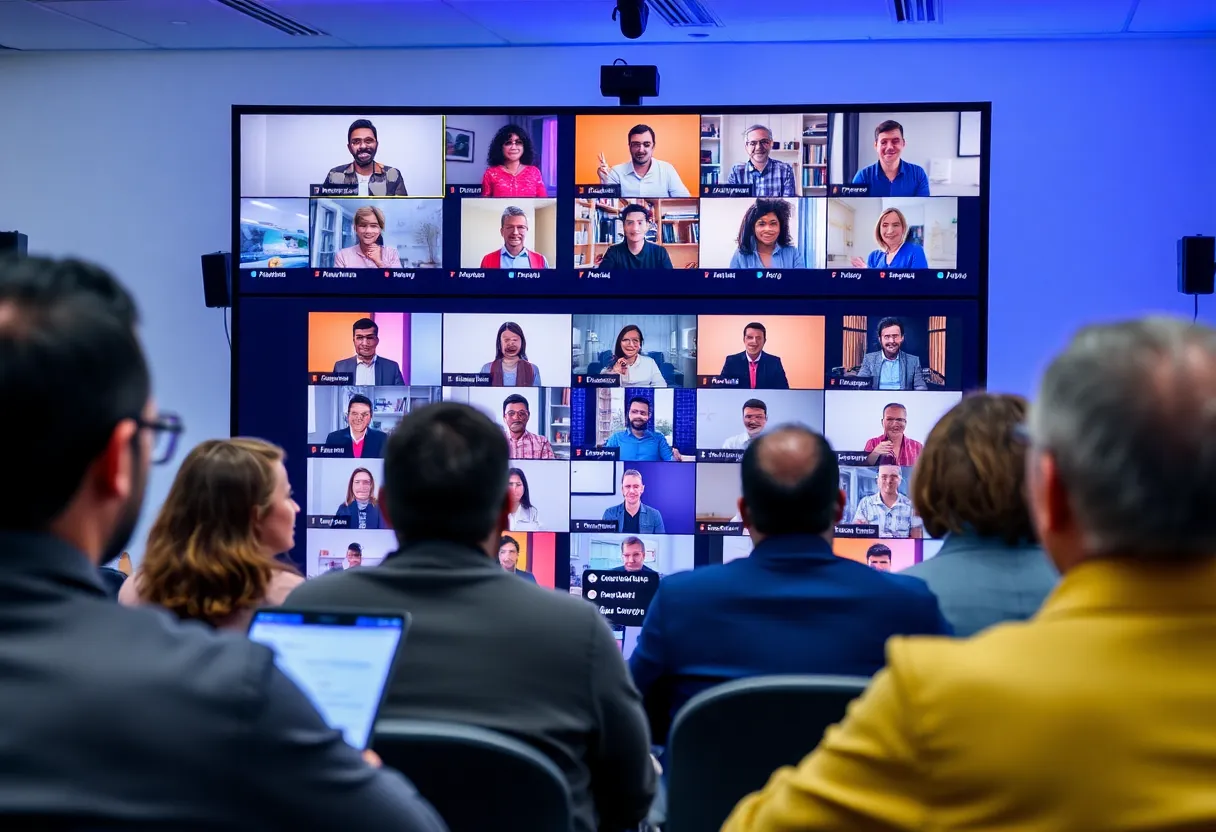
Virtual events encompass a wide range of formats, including webinars, virtual conferences, online workshops, and interactive live streams. Unlike traditional events, they allow for real-time interaction and engagement from participants regardless of their location. This characteristic makes them an ideal choice for digital marketers aiming to reach broader audiences.
The Importance of Engagement in Digital Marketing
Engagement is crucial in digital marketing. It involves establishing a two-way communication channel with the audience, enabling businesses to build trust and loyalty. High levels of engagement can lead to increased conversions and long-term customer relationships. Virtual events facilitate such engagement, making them an invaluable asset in digital marketing plans.
Key Benefits of Using Virtual Events for Digital Marketing
1. Expanded Reach
One of the main advantages of virtual events is their ability to reach a global audience. Businesses can connect with potential customers who would be otherwise inaccessible due to geographical limitations. This expanded reach allows for increased brand awareness and exposure to diverse markets.
2. Cost-Effectiveness
Organizing a virtual event generally incurs fewer costs than a traditional in-person event. There are no venue rental fees, travel expenses, or accommodations to worry about. This cost savings can be redirected towards marketing efforts, enhancing the overall effectiveness of the campaign.
3. Detailed Analytics and Insights
Virtual events provide robust analytics capabilities, offering insights into attendee behavior. Marketers can track metrics such as registration numbers, participation rates, and engagement levels. This data is invaluable for refining future marketing strategies and ensuring they align with audience interests.
4. Interactive Engagement Features
Virtual platforms often come equipped with features that encourage interaction. Polls, Q&A sessions, and breakout rooms foster participation, making attendees feel valued. This level of engagement enhances their connection to the brand, encouraging them to move further along the sales funnel.
5. Content Repurposing
Content generated from virtual events can be repurposed for various marketing channels. Recordings can be shared as podcasts, highlighted on social media, or used in email newsletters. This multifaceted use of content maximizes its longevity and reach, reinforcing brand messaging.
Strategies to Implement Virtual Events Effectively
1. Define Clear Objectives
Before hosting a virtual event, set clear objectives. Determine what you want to achieve—whether it’s lead generation, brand awareness, or customer education. This clarity will shape the event’s content and structure, ensuring it meets the intended audience’s needs.
2. Choose the Right Platform
Selecting the appropriate virtual event platform is critical. Consider user experience, accessibility, and features. The platform should align with your event goals and offer tools that facilitate engagement, such as chat functionality and audience polls.
3. Promote Your Event
Marketing the event is essential for attracting attendees. Leverage various channels—social media, email marketing, and your website—to generate buzz. Use eye-catching visuals and engaging copy, and identify your target audience to tailor your promotional messages effectively.
4. Create Engaging Content
Content is at the heart of virtual events. Ensure it’s engaging and relevant to your audience. Consider incorporating guest speakers or industry experts to provide valuable insights. The use of interactive content will further enhance engagement levels.
5. Foster Networking Opportunities
One of the significant benefits of in-person events is networking. Replicate this experience in the virtual realm by incorporating breakout sessions or virtual matchmaking features. This encourages attendees to connect, share ideas, and build relationships.
6. Follow Up Post-Event
After the event, follow up with attendees. Send thank you emails and share relevant content, such as event recordings and additional resources. This engagement reinforces connections and can help convert prospects into customers.
Measuring Success: Key Metrics to Track
To evaluate the effectiveness of your virtual event, track specific metrics. Key performance indicators (KPIs) can include:
- Registration Numbers: This indicates the initial interest in your event.
- Attendance Rates: Analyze how many registrants actually attended, providing insight into overall interest and engagement.
- Engagement Levels: Evaluate interaction metrics such as chat participation, poll responses, and session joins.
- Post-Event Feedback: Collect surveys from attendees to gauge satisfaction and gather suggestions for improvement.
- Lead Generation: Assess how many leads were created as a result of the event. This is critical for measuring ROI.
Conclusion
Virtual events offer significant advantages that can elevate your digital marketing engagement. By expanding your reach, being cost-effective, and providing detailed insights, these events can transform your marketing strategy. Implementing them effectively involves defining objectives, choosing the appropriate platform, and engaging your audience with compelling content. As digital landscapes continue to evolve, integrating virtual events into your marketing efforts will be essential for staying competitive.