

South Carolina, August 6, 2025
News Summary
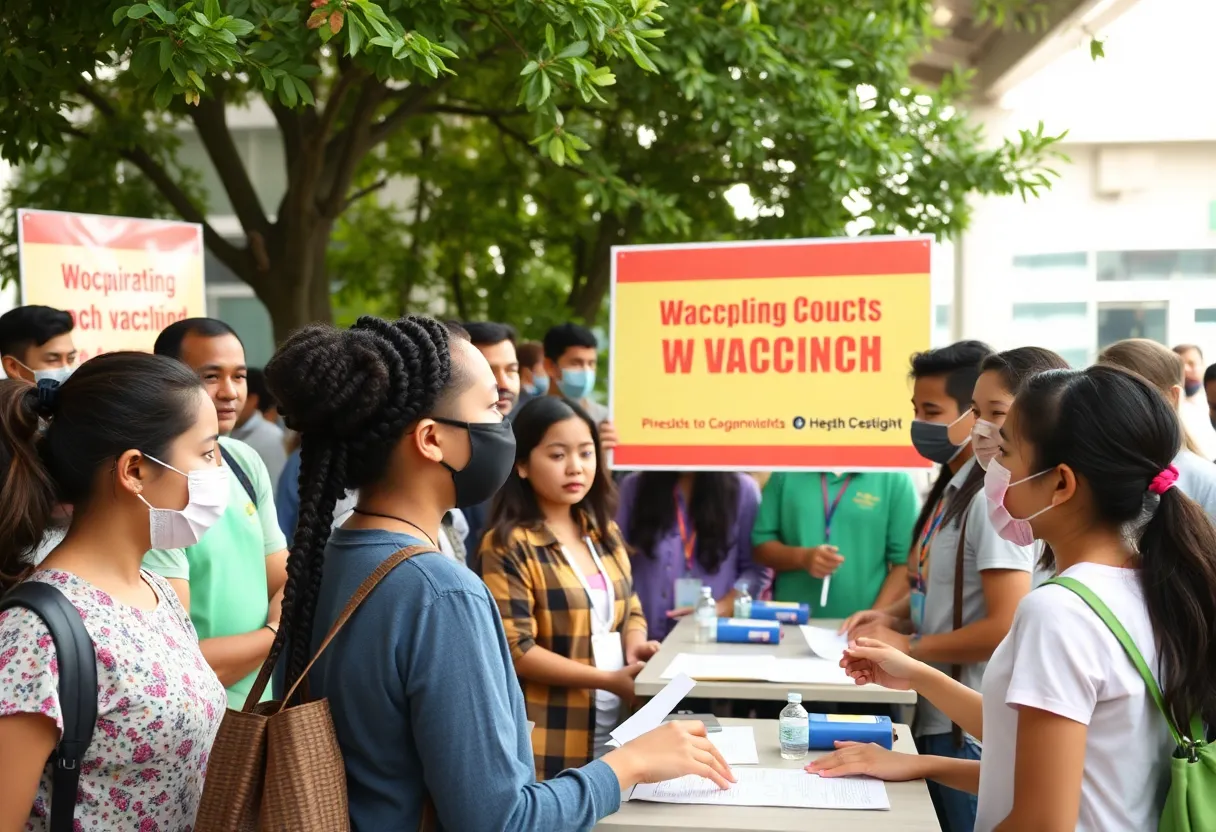
The South Carolina Department of Public Health reports a rise in pertussis cases, with 183 confirmed cases in 2025, up from 147 in 2024. Spartanburg County leads with 45 cases. Health officials stress the importance of vaccination to combat the spread of this contagious disease, particularly among infants and young children. Concerns about declining vaccination rates following the pandemic may contribute to rising cases.
Columbia, South Carolina – As of July 30, 2025, there have been 183 confirmed cases of pertussis, commonly known as whooping cough, reported by the South Carolina Department of Public Health (SCDPH) since the beginning of the year. This figure marks a notable increase from 147 cases reported during the same timeframe in 2024.
Among the counties in South Carolina, Spartanburg County has record high numbers, reporting 45 confirmed cases. Following Spartanburg is Greenville County, with 24 confirmed cases, while Pickens County and Anderson County reported 14 and 13 cases, respectively. In stark contrast, Abbeville, Cherokee, Laurens, Oconee, and Union counties have not reported any cases of pertussis in 2025. Notably, Greenwood County was absent from the data for both years.
Looking back at the previous year, Spartanburg County reported 74 cases of whooping cough during the same period, while Greenville County had just 12 cases, indicating a significant rise in Spartanburg County in particular.
Understanding Pertussis
According to the Centers for Disease Control and Prevention (CDC), pertussis is a highly contagious respiratory illness caused by the bacteria Bordetella pertussis. The disease is most dangerous for infants, with about one in three babies who contract whooping cough admitted to the hospital. Initial symptoms can mimic those of a common cold, including fever and runny nose, but severe coughing fits can ensue, lasting for weeks or even months and may cause vomiting and difficulty breathing. Severe symptoms generally emerge within one to two weeks after the initial cold-like signs.
Health Recommendations
To combat the spread of whooping cough, the CDC emphasizes the importance of vaccination, stating that it remains the most effective preventative measure. The DTaP vaccine is recommended for young children, while the Tdap vaccine is suggested for preteens and adults. Health officials also endorse simple hygiene practices, such as staying home when sick, practicing thorough handwashing, and covering coughs and sneezes. Vaccination during pregnancy is also advocated, as it may provide newborns with some immunity by passing antibodies through the placenta.
Despite these measures, health officials caution that communities should still expect annual cases of whooping cough due to the persistent nature of the Bordetella pertussis bacteria. Infants and young children remain the most vulnerable demographic at risk for severe outcomes from this illness. Typically, symptoms appear about five to ten days after exposure.
Vaccination Rates Decline
Recent health reports indicate a troubling trend in vaccination rates, particularly following the COVID-19 pandemic. Health officials express concerns that the decline in vaccination coverage may contribute to rising pertussis cases in South Carolina and elsewhere.
Conclusion
The rise in whooping cough cases is a pressing public health issue that necessitates attention from both health officials and the community. Increased awareness and proactive public health measures, including vaccination and health education, are essential to mitigate the continuing spread of this highly contagious disease.
FAQ
- What is Pertussis?
- Pertussis, commonly known as whooping cough, is a highly contagious respiratory illness caused by Bordetella pertussis bacteria.
- What are the symptoms of whooping cough?
- Initial symptoms include fever, runny nose, and severe coughing fits that may lead to vomiting and difficulty breathing. Severe symptoms typically develop one to two weeks after initial signs.
- Who is most at risk for severe outcomes?
- Infants and young children are most vulnerable to severe outcomes, with about one in three babies who contract whooping cough ending up hospitalized.
- How can whooping cough be prevented?
- Vaccination is the most effective way to prevent whooping cough. The DTaP vaccine is recommended for young children, and the Tdap vaccine is recommended for preteens and adults.
- Are there any specific hygiene practices recommended?
- Health officials recommend staying home when sick, frequent handwashing, and covering coughs and sneezes.
Deeper Dive: News & Info About This Topic
HERE Resources
Greenville Community Mourns Loss of Two Beloved Residents
South Carolina Sees Surge in Whooping Cough Cases
Additional Resources
- Spectrum Local News: Whooping Cough Cases Rising Across South Carolina
- Wikipedia: Pertussis
- WYFF4: South Carolina Whooping Cough Cases Rise
- Google Search: Whooping Cough
- Fox Carolina: Whooping Cough Cases Upstate SC
- Encyclopedia Britannica: Whooping Cough
- Greenville Online: Whooping Cough Cases Rise in SC
- Google News: Whooping Cough Cases South Carolina