

Austin, Texas, September 30, 2025
News Summary
Robert Eugene Brashers has been named the prime suspect in the 1991 Yogurt Shop murders in Austin after DNA evidence connected him to the crime. The tragic incident involved the deaths of four teenage girls who were found in a burned yogurt shop. Investigators used advanced DNA testing to link Brashers to the case, leading to a renewed pursuit of justice for the victims’ families.
Austin
Robert Eugene Brashers has been identified as the prime suspect in the notorious 1991 Yogurt Shop murders in Austin, Texas, following advanced DNA evidence released by authorities on September 25, 2025. This breakthrough connects Brashers, who died by suicide in 1999, to a series of violent crimes, including the unsolved rape and murder of Genevieve “Jenny” Zitricki in Greenville, South Carolina, in 1990.
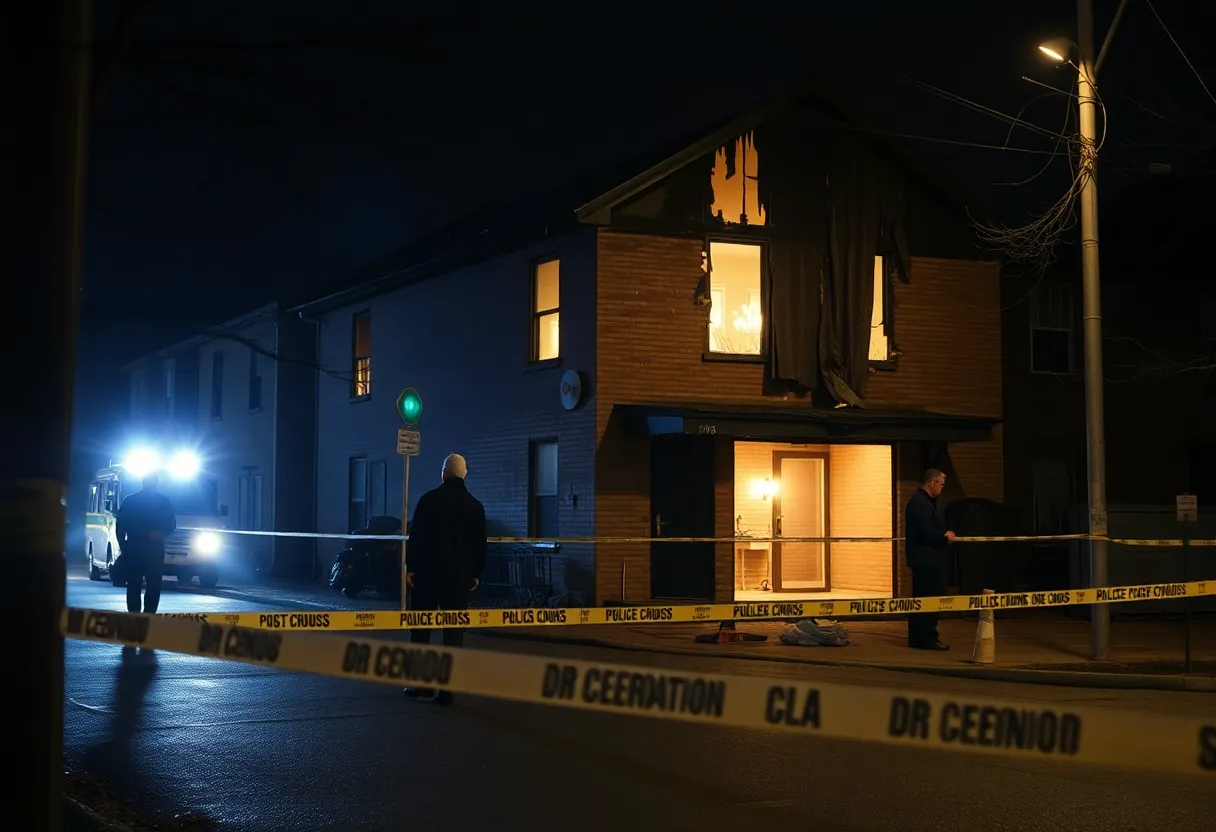
On December 6, 1991, tragedy struck at an “I Can’t Believe It’s Yogurt!” shop in Austin when four teenage girls—Amy Ayers (13), Eliza Thomas (17), and sisters Jennifer (17) and Sarah Harbison (15)—were found bound, gagged, and shot in the head before the shop was set ablaze. The newly analyzed DNA linked to Brashers was obtained from samples collected from Ayers’ fingernails, helping authorities establish a connection to this heinous crime.
The breakthroughs in this cold case were facilitated by new forensic science methods, specifically the use of Y-STR testing, which isolates male DNA. This technology enabled investigators from various jurisdictions to collaborate and draw connections between Brashers and multiple violent offenses, including unsolved murders across different states.
Criminal History of Robert Eugene Brashers
Brashers had a longstanding history of violence, with his criminal record dating back to 1986. In that year, he was convicted for beating and shooting a woman in Florida, serving two and a half years of a 12-year sentence. His violent pattern escalated in 1990 when he was implicated in the murder of Jenny Zitricki, whose body was discovered in her bathtub days after she was last seen. Additionally, Brashers was linked to the 1998 murders of Sherri Scherer and her daughter Megan in Missouri.
During his violent spree, Brashers was reported to carry out brutal acts against women, demonstrating characteristics consistent with a serial killer. The families of the victims from the Yogurt Shop case have spoken about the profound impact these events had on the Austin community, which has continuously sought justice for the lives lost.
The Journey to Identification
The Yogurt Shop murders case remained unsolved for decades, leading to numerous wrongful arrests and convictions based on unreliable confessions in the late 1990s. A significant turning point came with the 2004 U.S. Supreme Court ruling, Crawford v. Washington, which prompted a reevaluation of the case. Authorities utilized DNA testing advancements and genealogy methods that ultimately led to Brashers’ identification.
In 2018, Brashers’ body was exhumed in Arkansas to obtain reference DNA samples. This DNA from the Greenville case likewise enabled forensic specialists to connect Brashers to the Austin case, ensuring that his history of violence was firmly documented. Furthermore, investigators found a .380 caliber pistol, the same type of weapon used in the Yogurt Shop murders, during Brashers’ arrest at a police checkpoint in 1991.
Although Brashers’ life ended tragically in 1999 following a police standoff in Missouri in which he shot himself, the effort to solve the Yogurt Shop case continues. This development has brought renewed hope to the families of the victims, underlining their long fight for justice throughout the years.
Frequently Asked Questions
Who is Robert Eugene Brashers?
Robert Eugene Brashers has been identified as the suspect in the 1991 Yogurt Shop murders in Austin, Texas.
What was the Yogurt Shop incident?
The Yogurt Shop murders occurred on December 6, 1991, at an “I Can’t Believe It’s Yogurt!” location where four teenage girls were found bound, gagged, shot in the head, and the shop was set ablaze.
What evidence linked Brashers to the case?
Brashers’ DNA was linked to the crime scene through tests performed on samples collected from Ayers’ fingernails.
What is Brashers’ criminal history?
Investigators noted that Brashers had a history of violence, including past convictions for serious crimes dating back to 1986. He was implicated in the rape and murder of Jenny Zitricki in 1990 and linked to other murders.
How was Brashers identified in connection with the Yogurt Shop murders?
DNA testing advancements and genealogy methods were eventually applied to the cold case, leading to Brashers’ identification.
Deeper Dive: News & Info About This Topic
HERE Resources
Additional Resources
- KVUE: Austin Police Press Conference on Yogurt Shop Murders
- NBC News: Yogurt Shop Murders Suspect Identified
- ABC News: Haunting Yogurt Shop Quadruple Killings Solved
- Fox News: How Investigators Solved Yogurt Shop Murders
- Statesman: How Police Solved Austin Yogurt Shop Murder Case
- Wikipedia: Yogurt Shop Murders
- Google Search: Yogurt Shop Murders
- Google Scholar: Yogurt Shop Murders
- Encyclopedia Britannica: Yogurt Shop Murders
- Google News: Yogurt Shop Murders


Author: STAFF HERE GREENVILLE
The HERE Greenville Staff Writers are a collaborative team of journalists, editors, and local contributors passionate about delivering accurate, timely information to the Greenville community. As part of the HEREcity.com Network, which powers over 100 U.S. city sites including HEREcolumbia.com, our staff draws on collective experience in South Carolina journalism to cover everything from business sales and real estate developments to dining deals and community initiatives. Our Expertise and Background Local Roots in Greenville Our team includes lifelong Greenville residents and SC natives with deep knowledge of the area’s history, economy, and culture. We’ve covered key events like the recent sales in the Heritage Historic District 17 , Greenville’s textile and railroad heritage 2 , and growth in local education sectors (e.g., Greenville Technical College programs) 27 . Collective Experience With over 50 combined years in journalism, our staff has backgrounds in print, digital media, and community reporting. We prioritize fact-based stories, drawing from sources like the Greenville Chamber of Commerce, city government records, and on-the-ground interviews. Commitment to Quality Every article is a group effort, involving research, editing, and verification to ensure reliability. We adhere to journalistic standards, citing credible sources and updating content as new details emerge.