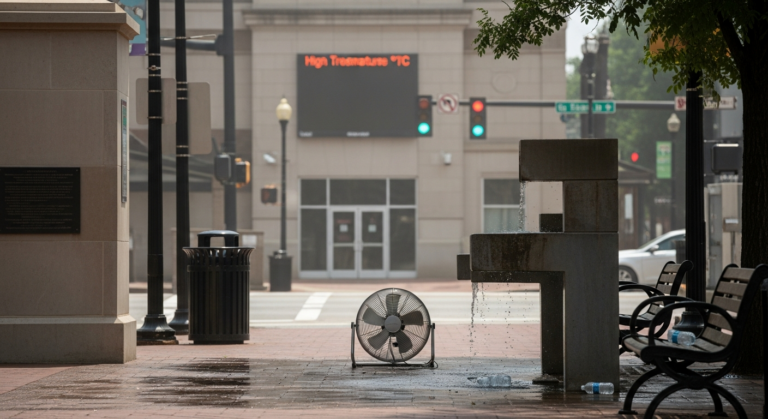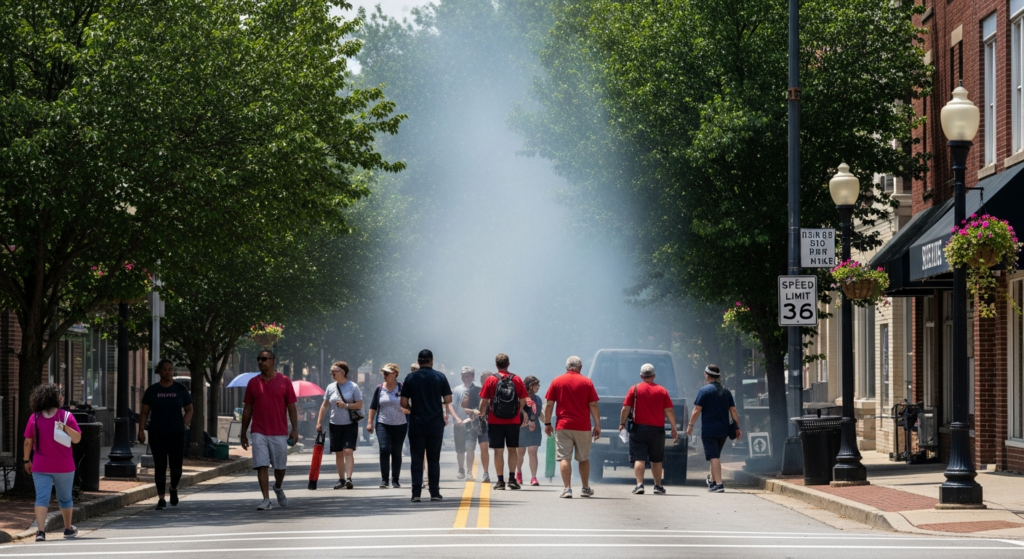
A significant and potentially dangerous heat wave is building across large swaths of the central and eastern United States, impacting an estimated hundreds of millions of people as the nation approaches the July Fourth holiday. The conditions are characterized by high humidity, heat-index values well into the triple digits, and limited overnight cooling, which can exacerbate health risks.
The pattern, which follows an earlier heat wave in June, is expected to expand across the Midwest and eastern United States. Regions identified with elevated heat risk include the Great Lakes, Ohio Valley, Mid-Atlantic, Northeast, Tennessee Valley, and the Southeast. This broad geographical reach means that communities from the Mississippi River eastward are bracing for some of the hottest days of the year.
Public health guidance across affected regions is emphasizing proactive measures to mitigate the risks associated with extreme heat. These recommendations typically include planning for adequate cooling, maintaining consistent hydration, and limiting outdoor work during peak heat hours. Special attention is also being directed toward pet safety and the importance of checking on vulnerable neighbors, particularly the elderly, young children, and those with pre-existing health conditions.
Forecasters indicate that the heat-index, which accounts for both temperature and humidity to reflect how hot it actually feels, could exceed 100 degrees Fahrenheit in numerous locations. This combination of high heat and oppressive humidity can quickly lead to heat exhaustion and heatstroke, even for individuals in good health. The lack of substantial cooling during nighttime hours prevents the body from recovering, increasing cumulative stress over several days.
The progression of this weather event means that areas like Greenville, located within the broader Southeast region, are expected to experience these elevated temperatures. While specific local advisories for Greenville will depend on evolving conditions, the regional forecast underscores the need for heightened awareness among residents. The heat wave threatens to disrupt typical summer activities and outdoor plans leading up to and during the July Fourth weekend, a period when many families in Greenville gather outdoors or engage in recreational pursuits.
Authorities are focusing on public education regarding the symptoms of heat-related illness, which can include dizziness, heavy sweating, muscle cramps, and headaches. In severe cases, heatstroke can manifest with a high body temperature, confusion, and loss of consciousness, requiring immediate medical attention. Staying in air-conditioned environments, wearing light-colored and loose-fitting clothing, and avoiding strenuous activities during the hottest parts of the day are key strategies being promoted.
The widespread nature of this heat event means that emergency services and public health agencies in cities across the eastern half of the country are preparing for increased demand. The focus remains on preventing serious heat-related illnesses through widespread public awareness and access to resources, even as the heat continues to build toward the holiday weekend.
### Why it matters in Greenville
The impending heat wave carries significant implications for Greenville, particularly as the community approaches the July Fourth holiday. Institutions like Prisma Health and Bon Secours St. Francis typically prepare for increased heat-related medical incidents during such periods, while employers such as BMW Manufacturing Co. and GE Vernova Gas Power may need to adjust outdoor work protocols to ensure employee safety. For families and individuals planning celebrations or outdoor recreation along the Reedy River or at Lake Hartwell, understanding the risks and taking precautions will be crucial to mitigate health hazards. The widespread nature of this heat event means that even without specific local advisories at this moment, a heightened state of awareness and preparedness is prudent for all residents of Greenville.