As July progresses and a heat dome extends its influence across the Upstate, outdoor plants in Greenville face significant stress. Prolonged periods of high temperatures, coupled with intense sunlight, can quickly dehydrate garden beds, container plants, and patio greenery. Proactive measures are essential to mitigate damage and ensure the vitality of landscapes throughout the summer.
One of the most critical strategies for plant survival during extreme heat is deep and infrequent watering. Unlike shallow watering, which encourages roots to stay near the surface where moisture evaporates quickly, deep watering saturates the soil to a greater depth. This prompts plant roots to grow deeper, establishing a more robust and resilient root system capable of accessing moisture reserves even as the topsoil dries out. For garden beds, this means allowing water to penetrate at least six to eight inches into the soil. For container plants, water until it begins to drain from the bottom, ensuring the entire root ball is moistened. The ideal time for watering is early morning, before the sun’s intensity increases, or late evening, allowing the water to soak in overnight without rapid evaporation. Watering during the hottest part of the day can lead to significant water loss through evaporation and may even scorch leaves if water droplets act as magnifying lenses.
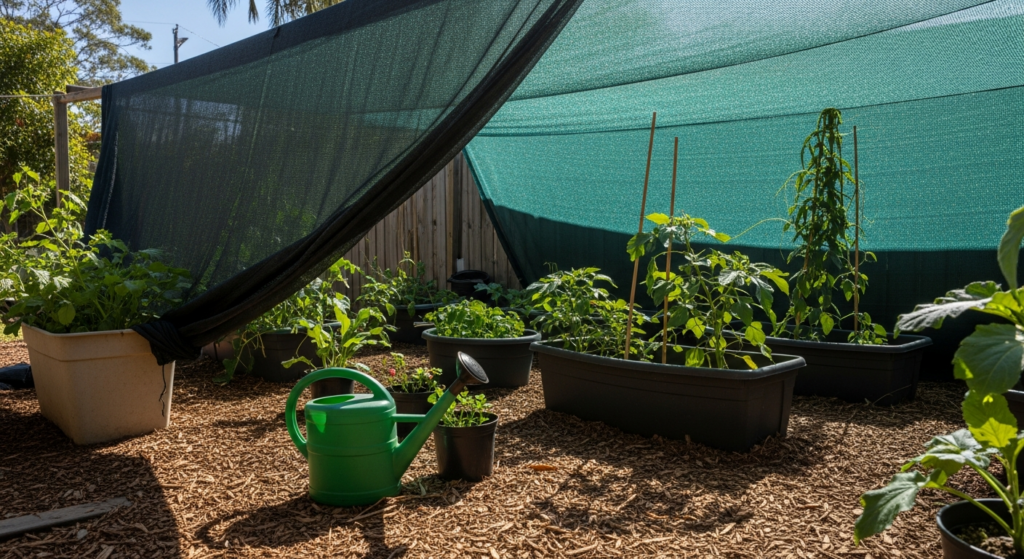
Strategic use of shade and mulch also plays a pivotal role in protecting plants from the harsh summer sun. Mulch, applied correctly, acts as an insulating layer for the soil. Organic mulches such as wood chips, straw, or shredded leaves help retain soil moisture by reducing evaporation, moderate soil temperature by shielding it from direct sun, and suppress weed growth, which competes with plants for water and nutrients. A layer of mulch two to four inches deep is generally effective, but care should be taken to keep it a few inches away from plant stems and tree trunks to prevent rot and pest issues. For particularly sensitive plants or newly installed plantings, temporary shade structures can provide crucial relief. Shade cloth, old sheets, or even strategically placed patio umbrellas can block a significant percentage of direct sunlight, reducing leaf scorch and overall plant stress. Positioning these structures to provide shade during the hottest parts of the afternoon is often sufficient.
Container plants, while offering flexibility, are particularly vulnerable to heat stress because their root systems are confined and the soil in pots heats up more rapidly than in garden beds. The ability to move containers is a significant advantage during a heat dome. Relocating potted plants to shadier spots—such as under the canopy of larger trees, beneath a covered porch, or on the north or east side of a building—can dramatically reduce their exposure to intense afternoon sun. Grouping containers together can also create a microclimate, where the plants collectively shade each other and increase humidity, further aiding in moisture retention. Monitoring container plants daily for signs of wilting or discoloration is crucial, as they may require more frequent watering than their in-ground counterparts.
Finally, avoiding midday outdoor work is beneficial for both plants and gardeners. Transplanting, pruning, or even extensive weeding during the peak heat of the day can inflict severe stress on plants, potentially leading to transplant shock or permanent wilting. The best times for garden tasks are the cooler hours of the early morning or late afternoon and evening. This reduces the risk of heatstroke and dehydration for individuals working outdoors and minimizes the physiological shock to plants. If work must be done during warmer periods, it should be kept brief, and gardeners should prioritize hydration and seek shade frequently. These practices are especially important in a city like Greenville, where summer temperatures can climb significantly, making outdoor activities challenging and potentially hazardous.
### Why it matters in Greenville
The effective management of outdoor spaces during periods of extreme heat directly impacts the aesthetic appeal and environmental health of Greenville. From the meticulously maintained grounds of institutions like Furman University and Greenville Technical College to the numerous home gardens in neighborhoods such as Alta Vista and North Main, the city’s green infrastructure is a defining characteristic. Implementing these heat mitigation strategies helps preserve the vibrant landscapes that contribute to Greenville’s quality of life and property values. Neglecting these measures can lead to widespread plant loss, increased water consumption in attempts to revive struggling greenery, and a diminished visual appeal across residential and public areas. Adopting these practices ensures that Greenville’s natural beauty remains resilient against the challenges of a hot summer climate.