The escalating global demand for specialized memory chips, primarily fueled by the rapid expansion of artificial intelligence infrastructure, is projected to exert upward pressure on the prices of consumer electronics, including gaming consoles, personal computers, and other smart devices. This trend reflects a significant shift in the semiconductor market, where resources are increasingly being diverted to meet the needs of AI development.
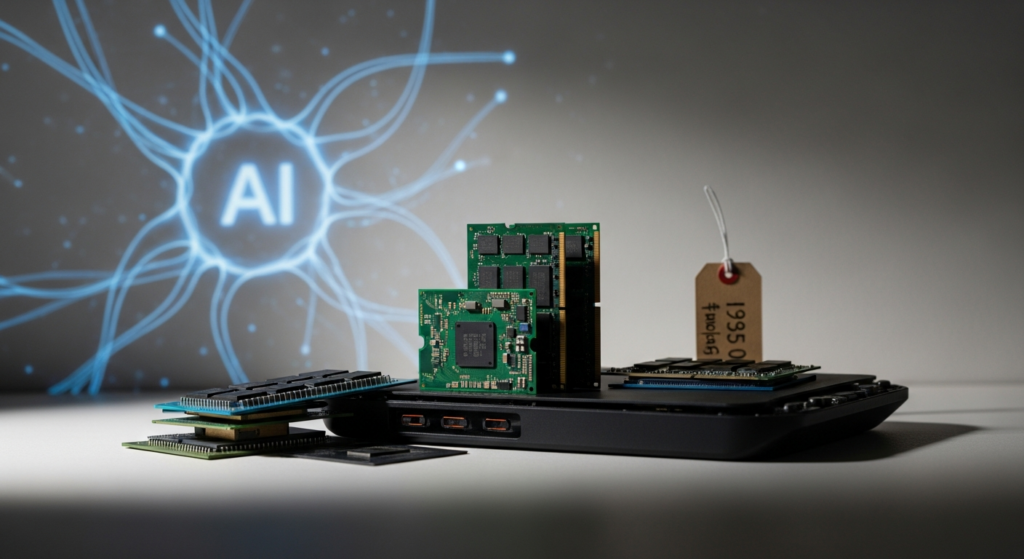
Artificial intelligence systems, particularly those involved in complex data processing and machine learning, require vast quantities of high-bandwidth memory (HBM) and other advanced storage components. The manufacturing processes for these high-performance chips are intricate and resource-intensive, leading to a tightening of the overall supply chain for memory and storage components across the industry.
As manufacturers prioritize the production of these specialized chips for AI applications, the availability of standard memory modules, such as DRAM and NAND flash, which are crucial for consumer-grade electronics, can become constrained. This scarcity, in turn, drives up the cost of these components for device makers. These increased production costs are then often passed on to consumers in the form of higher retail prices for new laptops, desktop computers, and video game consoles.
Industry analysts and business outlets have highlighted this connection, noting that the ripple effect of AI’s memory appetite is a global phenomenon. While the specific price increases will vary by product and manufacturer, the underlying economic forces are expected to influence purchasing decisions for consumers worldwide, including those in Greenville.
This dynamic is not a localized pricing guarantee but rather an overarching trend that reflects the evolving technological landscape. Consumers in Greenville considering new electronics purchases may encounter these market conditions as the year progresses, necessitating a broader understanding of the factors influencing device costs beyond traditional supply and demand for consumer goods alone.
### Why it matters in Greenville
The global shift in memory chip allocation directly affects consumers and businesses throughout Greenville. As prices for essential electronics like computers and consoles potentially rise, households and students may face higher costs for technology vital for education, work, and entertainment. For institutions like Greenville Technical College, which relies on up-to-date computing resources for its programs, these market dynamics could influence budgeting and procurement strategies for equipping labs and classrooms. The broader economic impact means that technology retailers in Greenville may also need to adapt to changing inventory costs and consumer purchasing patterns.